These tiny creatures don’t just support plant health—they also shape soil structure and boost its water retention. Let’s explore the key signs that your soil is craving more microorganisms.
1. Your Plants Are Growing Slowly
A clear sign of lacking microorganisms is when your plants aren’t growing as fast as you’d expect. Microorganisms are essential for breaking down nutrients and making them accessible to plants.
If your garden seems nutrient-poor or fertilizers don’t deliver the results you want, it’s likely time to revitalize your soil’s life.
2. The Soil Is Dense and Hard
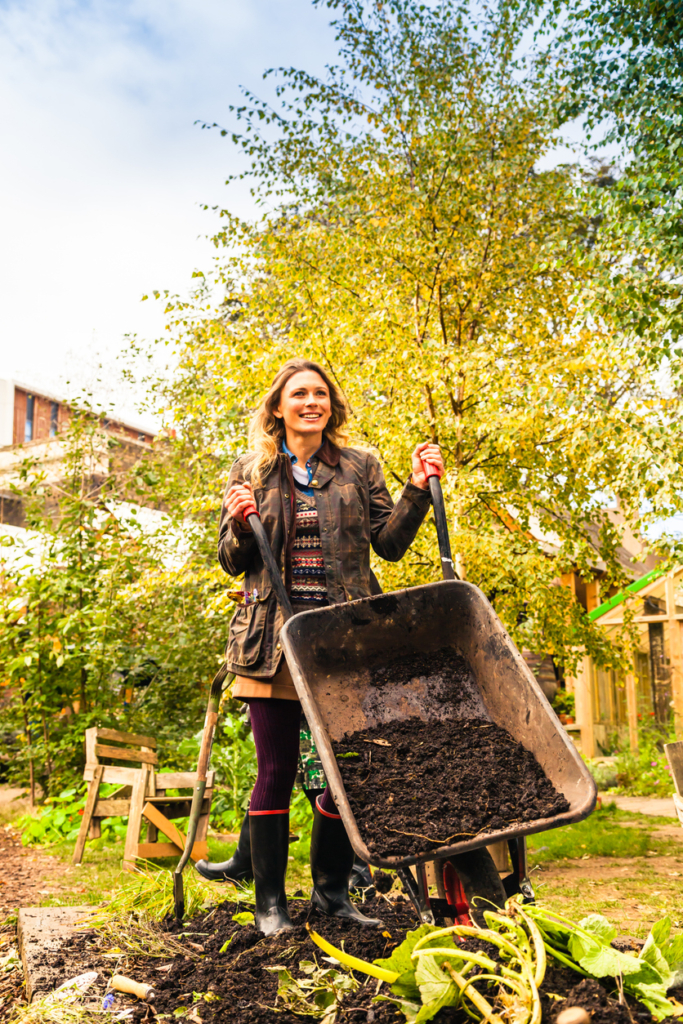
Healthy soil is loose and light, allowing roots to develop properly. Microorganisms maintain soil structure by breaking down organic matter into humus.
If your soil feels hard and tough to work with, it could mean beneficial microorganisms have declined.
3. Drainage Problems
Soil microorganisms help balance water retention and proper drainage. Without them, water can pool and harm roots and plants.
If water lingers in your garden for a long time after rain, it’s a warning that your soil’s microbial balance is off.
4. Few Earthworms and Insects
Earthworms and other helpful soil dwellers are one of the best signs of healthy soil. They loosen and aerate the soil, which is vital for root growth.
If you rarely see these creatures in your garden, it might mean the soil environment isn’t right for diverse microorganisms.
5. Weak Soil Smell
Freshly tilled soil has a rich, distinctive smell thanks to active microorganisms. If your soil lacks scent or smells unpleasant, it could signal reduced soil life.
Healthy soil always gives off a pleasant, earthy aroma caused by microbial fermentation.
6. Poorly Producing Garden Beds
If your vegetables and fruits yield less, there could be many reasons—but a common one is a lack of microorganisms. These tiny helpers transform and supply the nutrients plants need.
Without vibrant soil life, plants get fewer nutrients, leading to weaker harvests.
7. Soil Dries Out Quickly
Microorganisms play a key role in improving soil’s water retention. If your soil dries out fast, it might be because microscopic life can’t hold moisture effectively.
Maintaining proper soil moisture is essential for healthy plants, so it’s important to support microorganisms’ growth and colonization.
If you notice these signs in your garden, it’s worth taking soil improvement steps. Organic mulch, compost, and smart soil care can help bring microorganisms back and boost soil life.
Remember, healthy soil is the foundation of a thriving garden!