Protecting your vegetables isn’t just wallet-friendly—it’s a conscious choice that helps reduce waste, something we all benefit from. So, how can you extend the life of your veggies without losing their freshness and nutrients?
Proper Storage
The shelf life of vegetables depends a lot on their environment and temperature.
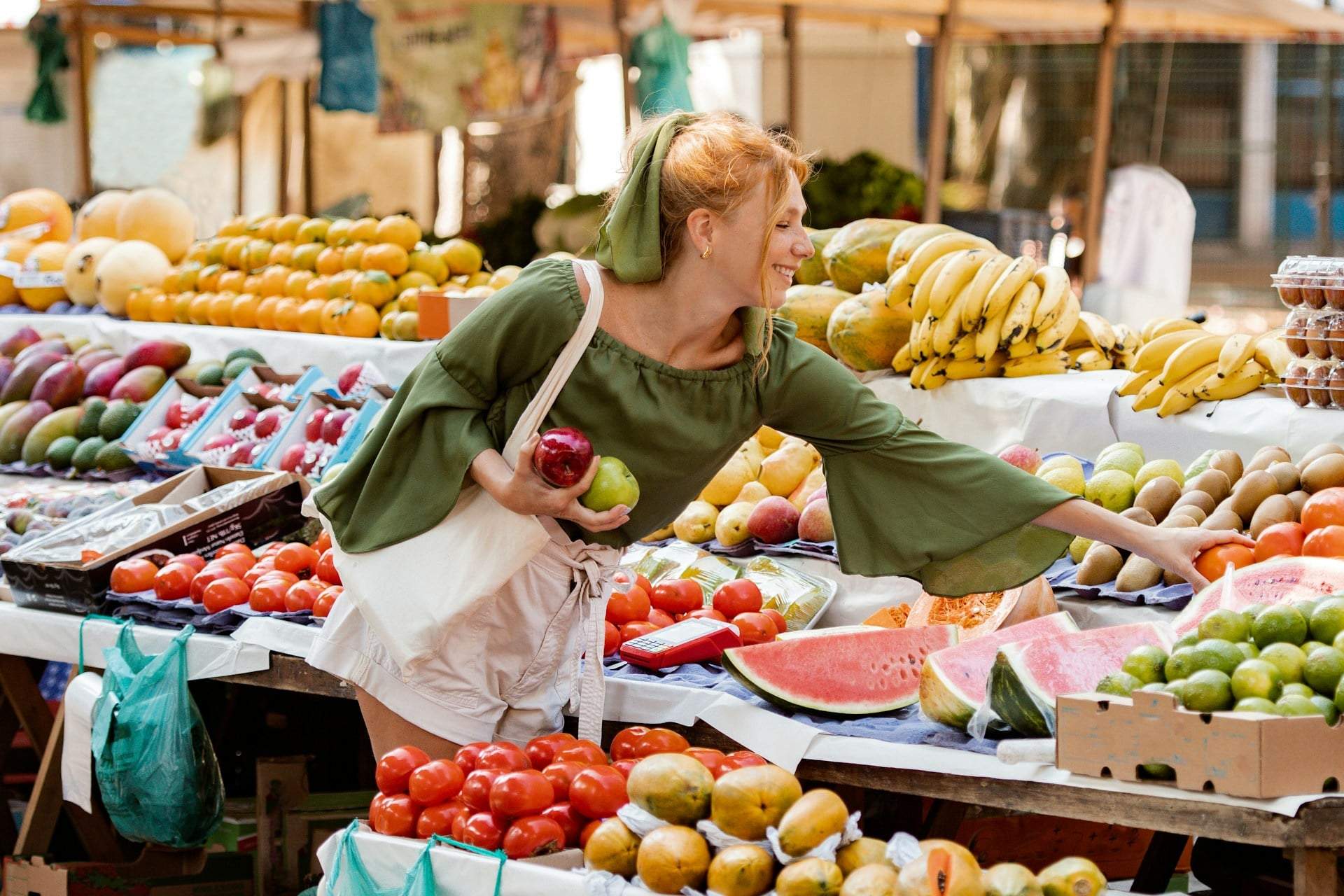
For tomatoes, keep them at room temperature, away from direct sunlight, stem side up to preserve their flavor and texture.
Do the same with eggplants and zucchini: avoid the fridge and store them loosely in a paper bag to prevent drying out.
Potatoes and onions prefer a cool, dark, well-ventilated spot. A cloth bag or cardboard box works perfectly. Keep them separate since moisture from onions can cause potatoes to sprout faster.
Smart Packaging
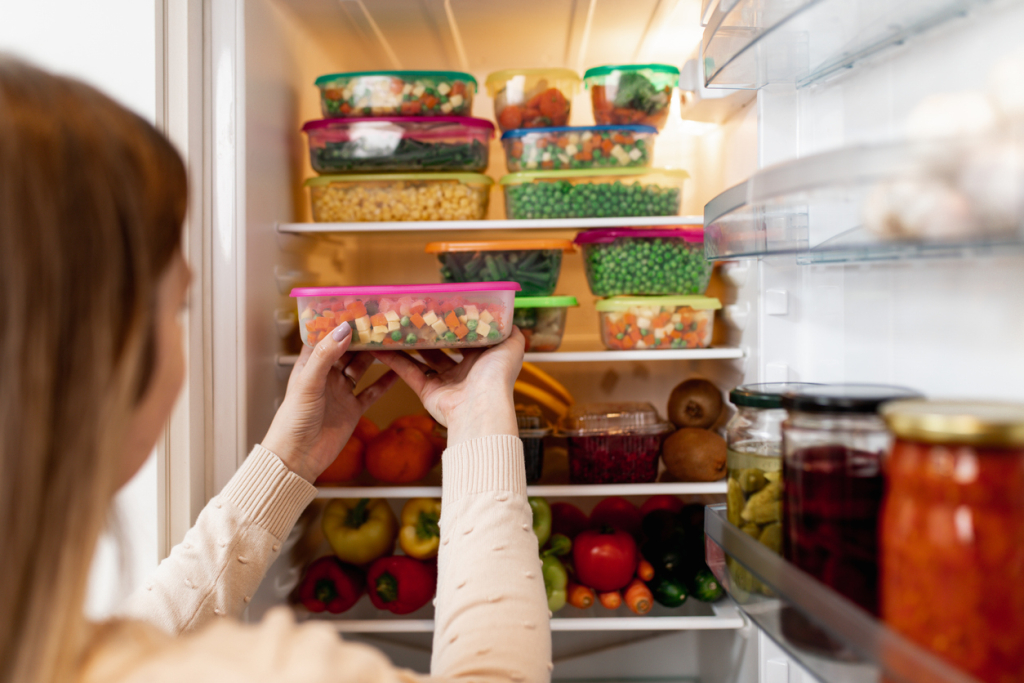
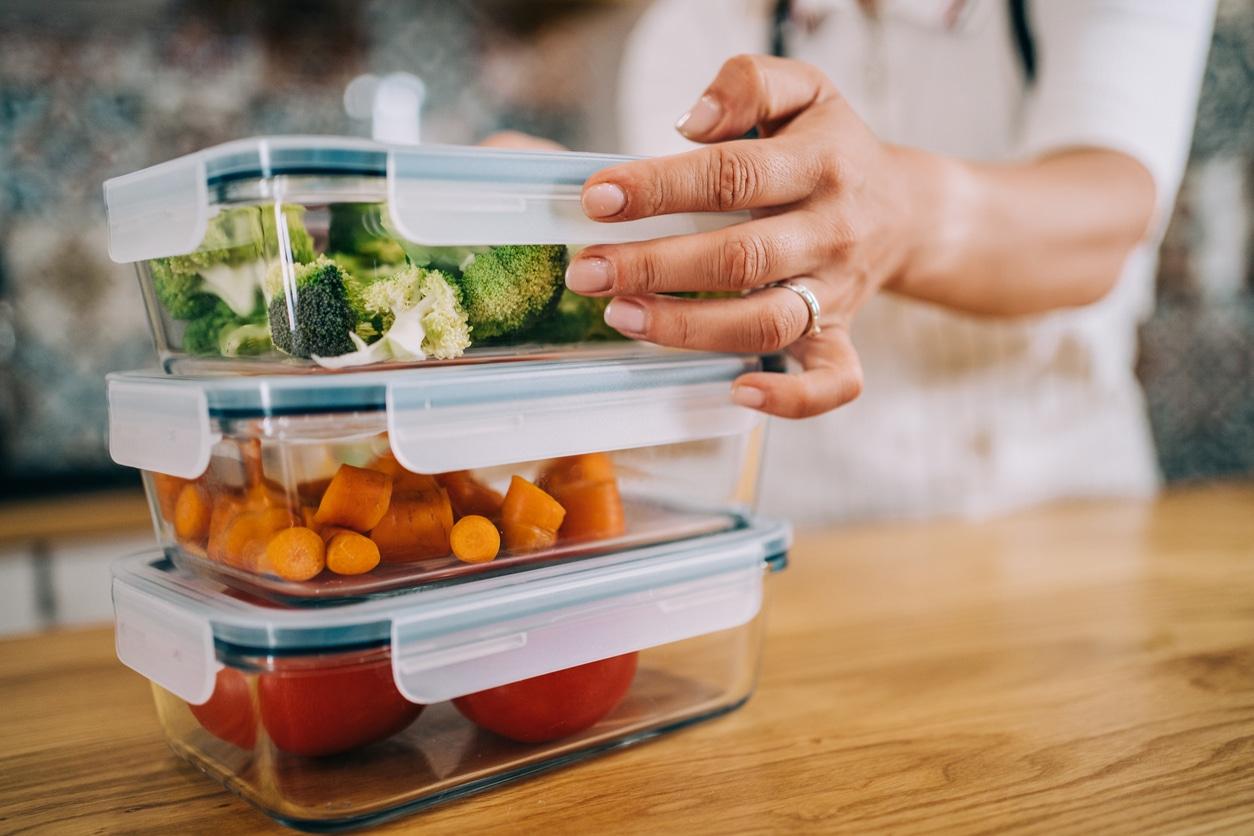
Leafy greens like lettuce, arugula, or endive stay fresher longer when placed on paper towels inside an airtight container in the fridge’s vegetable drawer. The paper towel soaks up excess moisture, keeping leaves crisp.
Peppers and cucumbers do well wrapped loosely in perforated plastic bags or paper towels in the fridge, preserving their crunch for up to a week while reducing moisture buildup.
Hydrate Like Flowers
When working with cut or prepped veggies, soaking them in cold water helps keep them fresh.
Peel and cut carrots and celery stalks can stay crisp for two to three days if you change the water daily.
Store asparagus like a bouquet: trim the ends, place upright in a glass with a little water, and cover loosely with a bag. This keeps them vibrant for up to five days.
Freezing Done Right
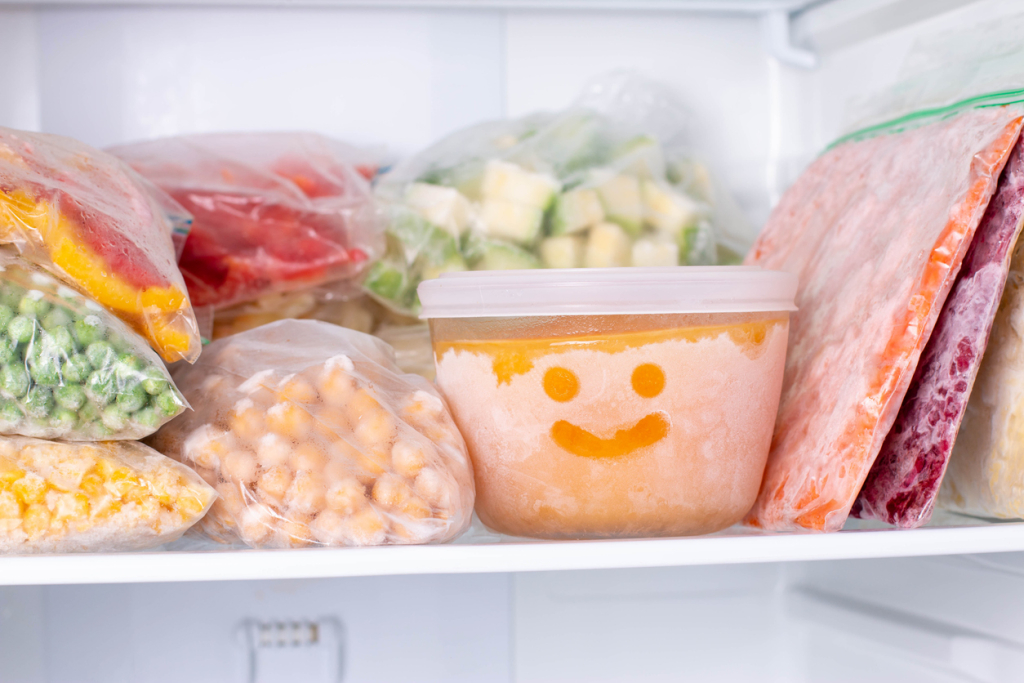
Freezing is a fantastic way to store seasonal veggies longer, but to keep their nutrients and texture intact, blanch them first.
Quickly boil peas, broccoli, and cauliflower, then plunge them into ice water to stop enzyme activity. Drain well, then freeze in vacuum-sealed bags or airtight containers.
You can use the same method for green beans or sliced carrots when prepping for soups or steamed sides later.
Let Your Leaves Breathe
Delicate leafy greens like spinach and Swiss chard tend to wilt quickly. If they’re slightly limp, soak them in cold water, then gently dry with a salad spinner or paper towel.
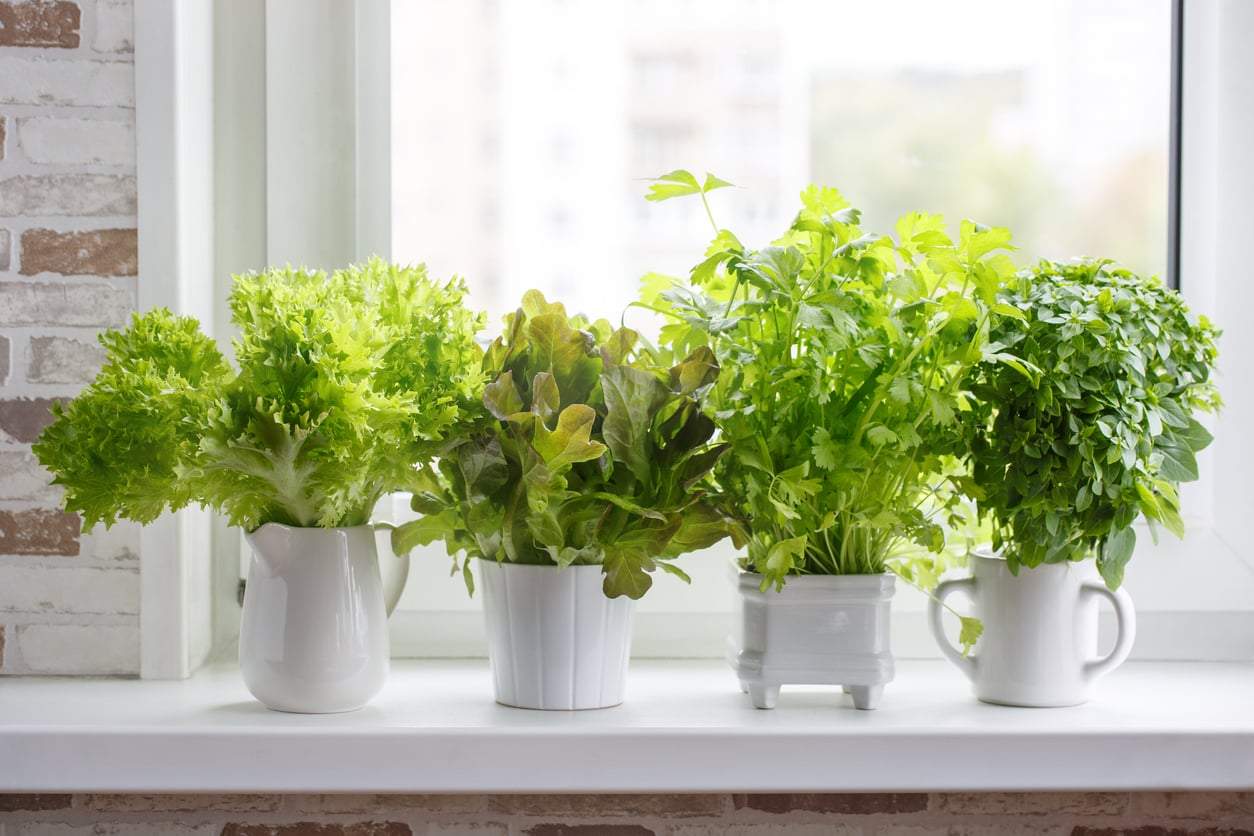
Store them in airtight containers in the coldest part of your fridge to keep leaves crisp for days. Freshen parsley and cilantro by trimming stems and placing them in a glass with a little water, covered loosely with a bag.
An Acidic Environment
An acidic environment slows down browning enzymes, so spray cut potatoes with lemon juice or lightly diluted vinegar to keep them bright until cooking.
Keep avocados fresher by storing them with the pit in an airtight container in the fridge, or brush the exposed flesh with a thin layer of lemon juice.
Creative Reuse
If you still have veggie scraps despite your best efforts, don’t toss them. Use peels, ends, and cores to make a simple broth by simmering with water, salt, pepper, and herbs, then strain.
Cooked veggies like carrot or cauliflower purée make delicious sauces or spreads for pasta.
Quickly sauté chopped leftovers for a veggie-packed omelet or stir-fry base.