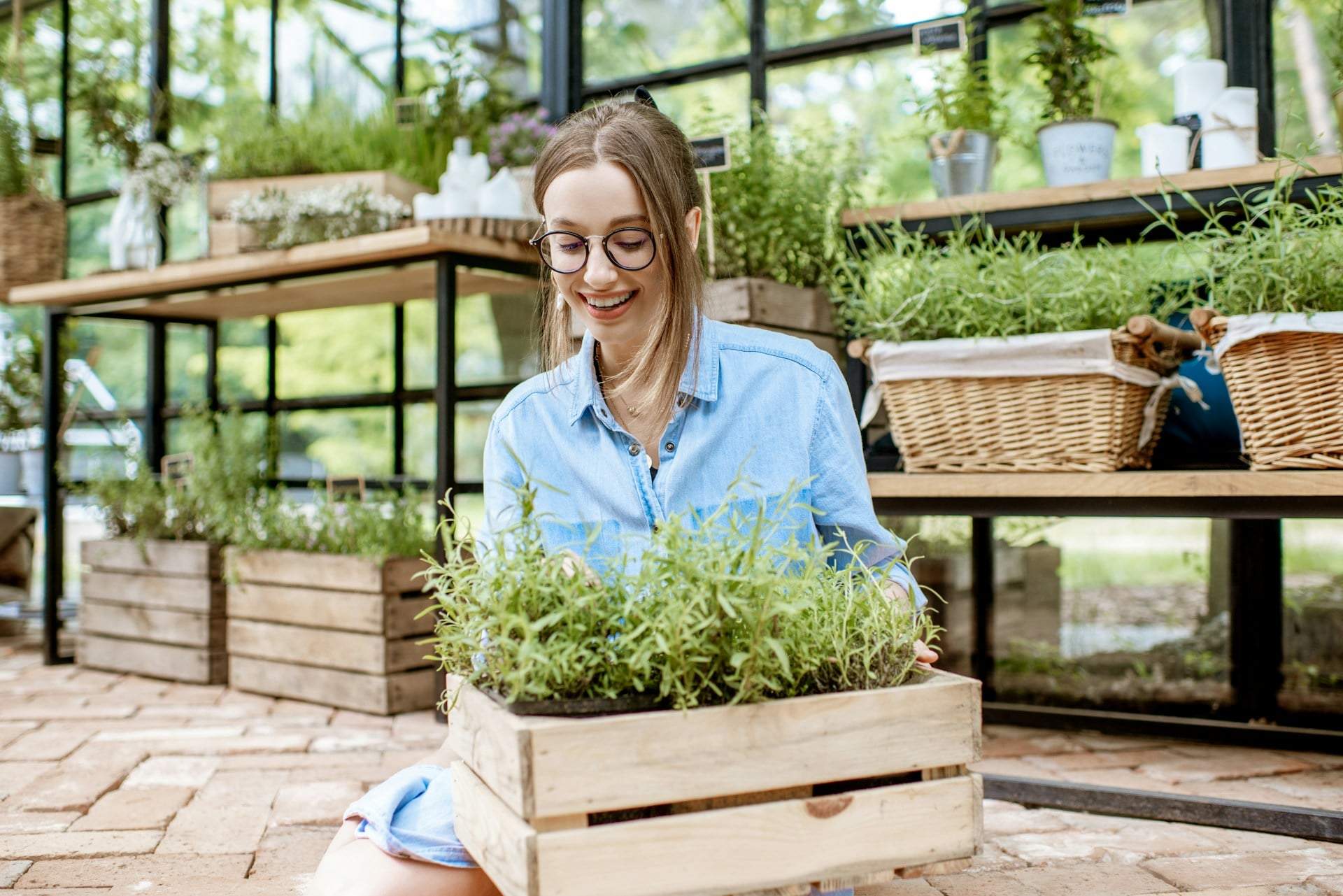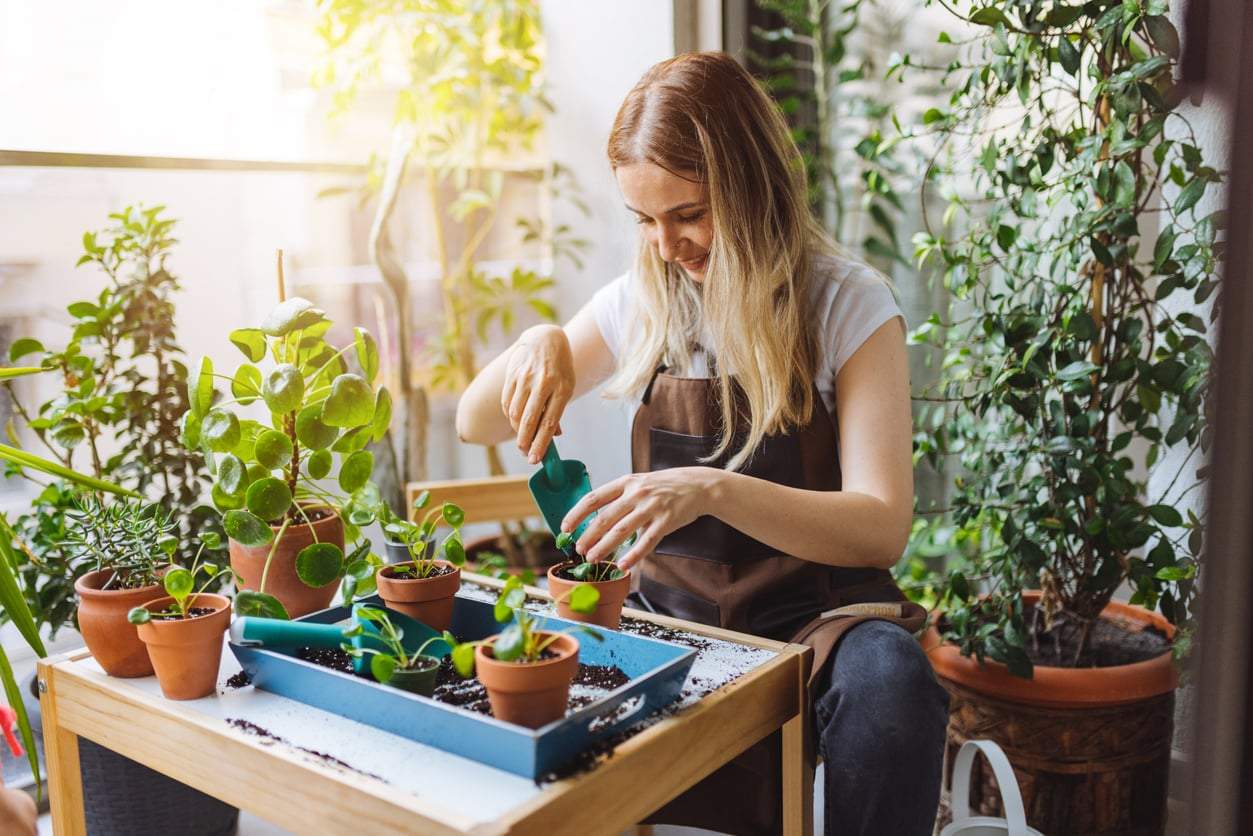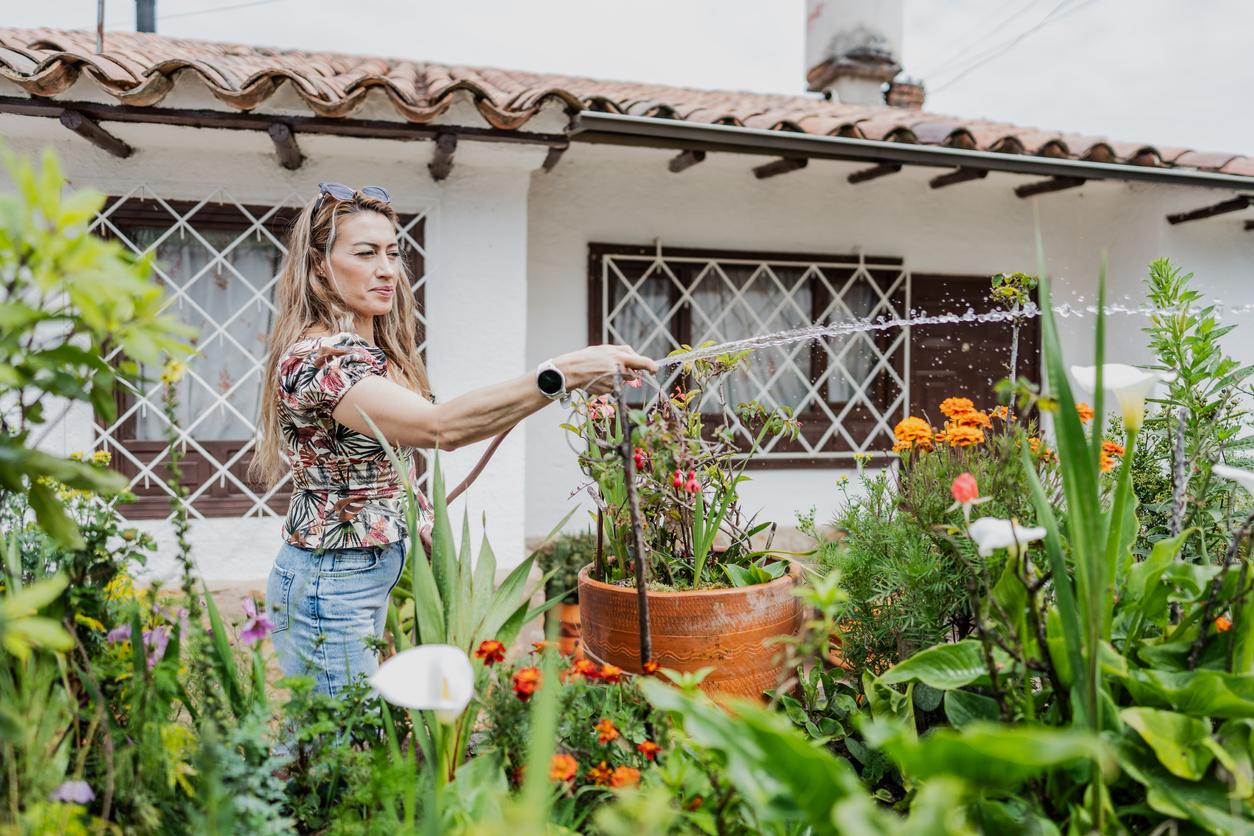
Forget perfection. Modern garden design no longer praises perfectly clipped lawns and sterile order. Instead, it embraces lively, breathing gardens with a bit of freedom—the best kind. Overly strict layouts, obsessive fall cleanups, and chemical "quick fixes" are falling out of favor. In their place come pollinators, surprises, natural beauty, and the joy of a garden that refreshes rather than stresses.
Here are the trends worth leaving behind—and the directions that truly take root.
1. Gardens Designed Just for the Camera
More and more people are tired of Instagram-perfect gardens staged just for the shot. Overly geometric, sharp, and rigid spaces often overlook that a garden is a living system: it changes, grows, retreats, and blooms again.
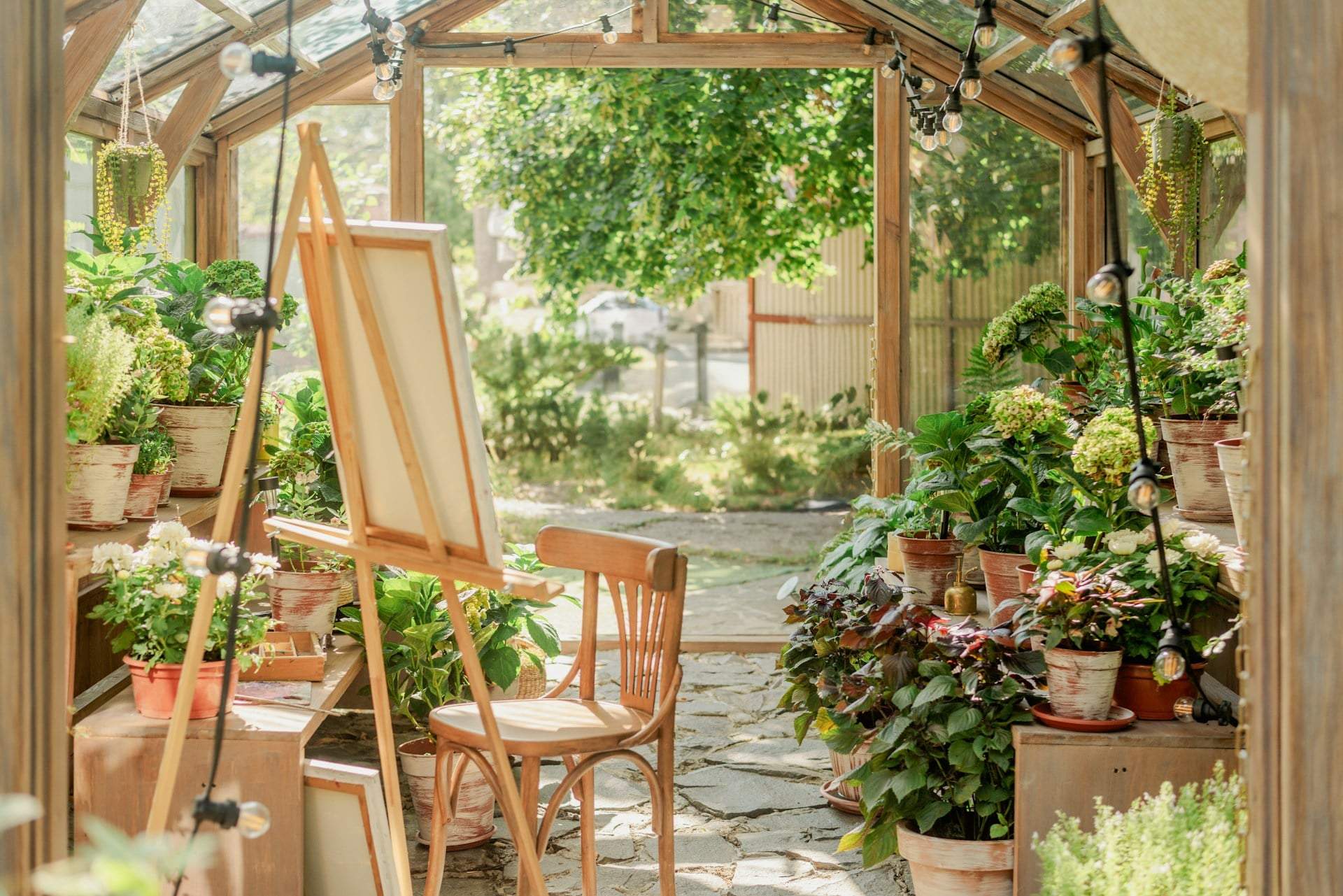
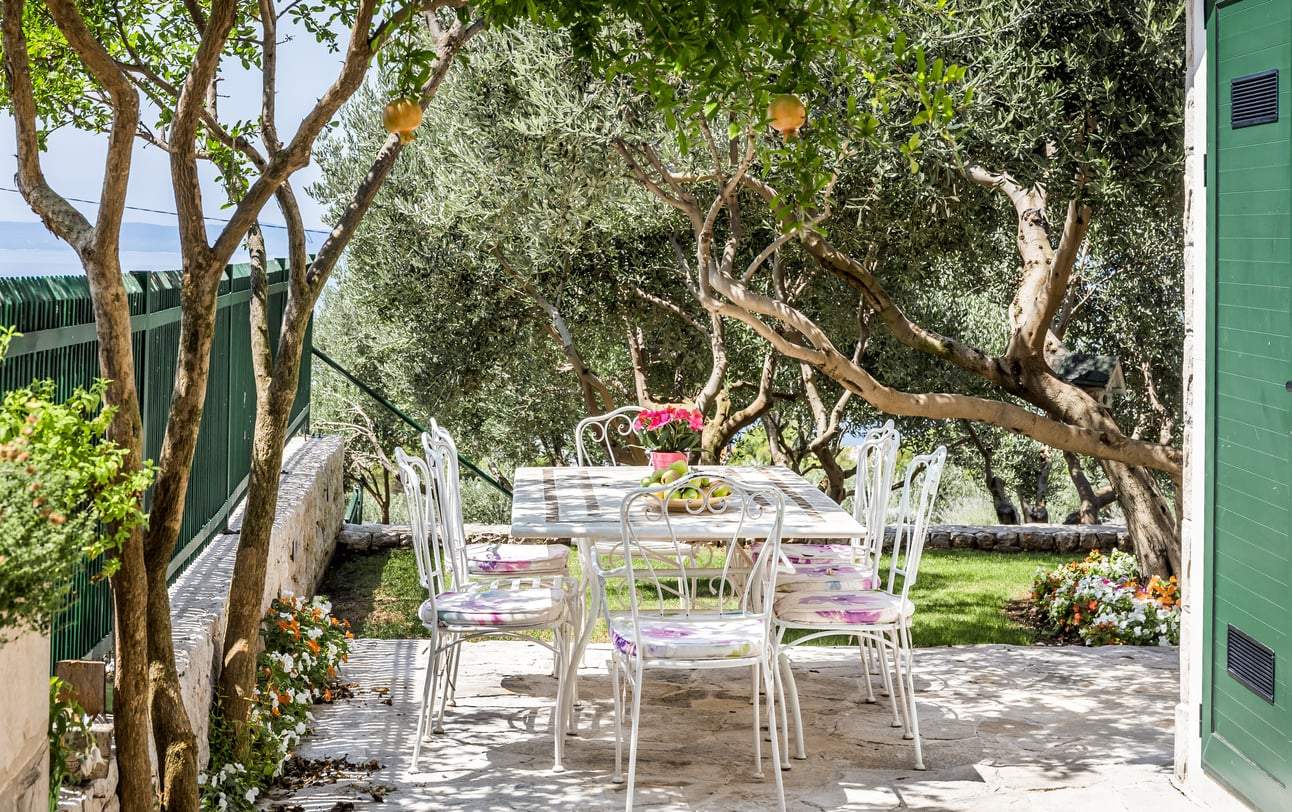
Today’s trend favors more romantic, playful gardens. Spaces where you can hide, retreat, or sit down with a book—bringing back that childhood “secret garden” feeling. Modern style isn’t disappearing but will soften, making room for abundance and delightful surprises.
The key: fewer rules, more joy. If you love roses, rich colors, or pollinator-friendly flowers, don’t give them up just because they “don’t fit the style.” Your garden is all about you.
2. Gardens Without Habitat
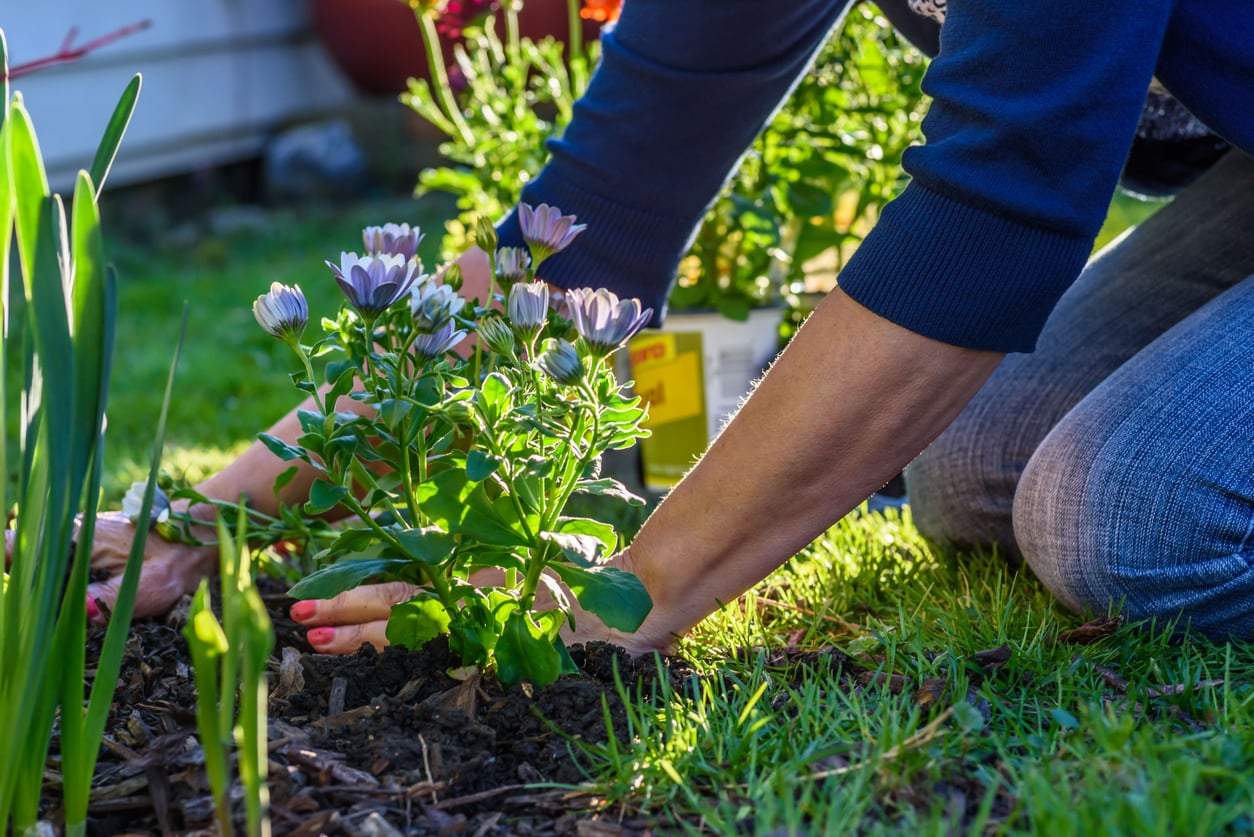
Gardens that don’t welcome pollinators, birds, and helpful insects are missed opportunities today. Bringing nature back into your garden is not only eco-friendly but also adds beauty and life.
Maintaining large, continuous lawns is energy- and chemical-intensive, yet offers little real benefit to the environment. Even in Hungary, it’s worth considering if your entire garden should be lawn or if smaller, functional patches for relaxing and playing make more sense.
Surround lawn edges with pollinator-friendly shrubs and perennials—lavender, coneflowers, sage, ornamental grasses. A smaller, well-kept lawn can beautifully contrast with looser planting beds and even make your garden feel more spacious.
3. Unkempt “Wild” Gardens
Using native plants is fantastic, but it doesn’t mean leaving everything to grow wild. Even meadow-style plantings need care to prevent invasive species from taking over.
It’s best to arrange native plants thoughtfully: with borders, clipped edges, gravel paths, or standout garden features that show the look is intentional, not neglected. Not every random perennial mix will look harmonious all year long.
Also, choose species that truly fit your local climate and soil. Just because a plant is native doesn’t guarantee it will thrive in your garden’s conditions.
4. Overdone Fall Cleanup
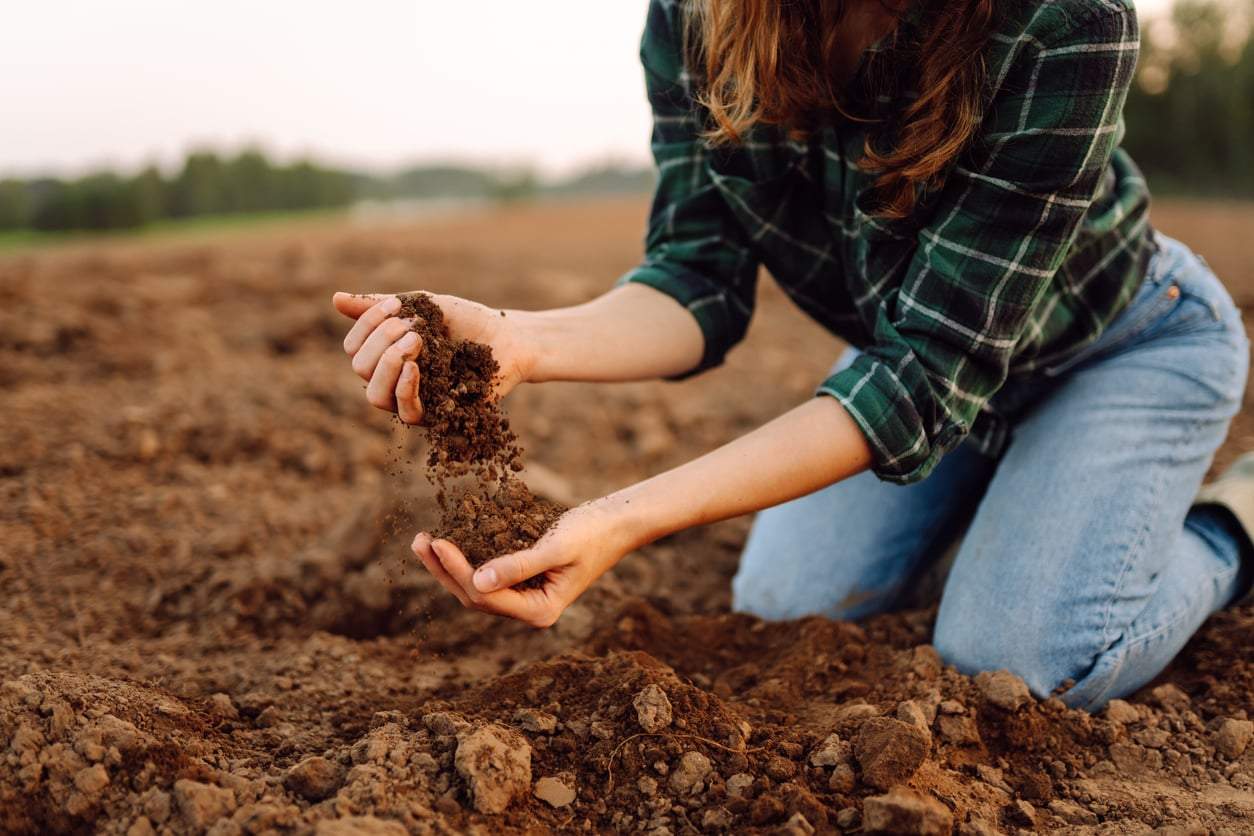
The classic fall garden cleanup isn’t ideal anymore. Dead perennial stems and fallen leaves provide vital habitat for insects that feed birds.
Leaving leaves in your beds acts as natural mulch, improves soil structure, and reduces weeds. In spring, prune plants only when truly necessary.
This is basically permission to ditch perfectionism: a garden isn’t beautiful because it’s bare and “sterile” in November—it’s beautiful because it’s full of life.
5. Overwhelming Hardscapes
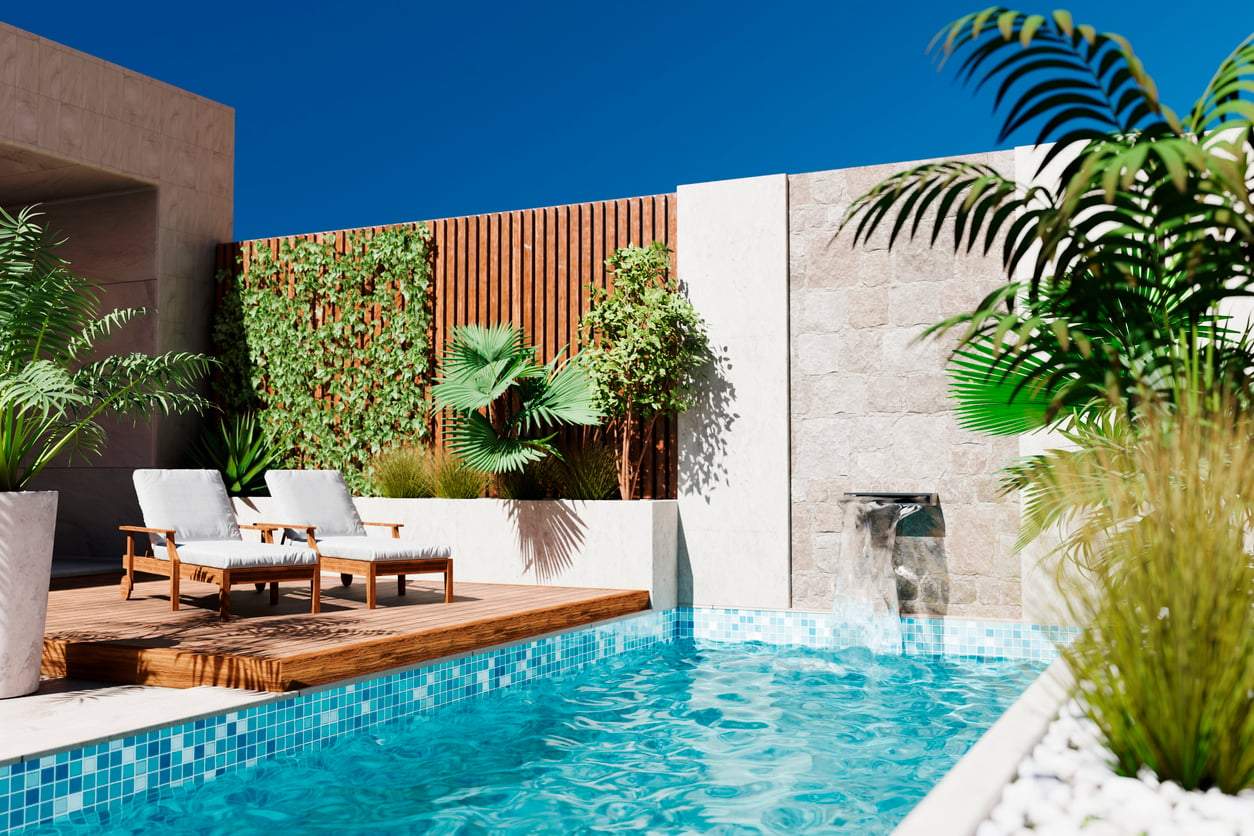
Too much paving, concrete, and hard surfaces are becoming less popular. We often pave around the house by default, but not every square foot needs to be hardscape.
Less hardscape means more room for plants, better soil moisture retention, improved rainwater absorption, and a friendlier garden vibe. Small changes count: a narrower patio, more green strips, or planting beds closer to the house walls.
6. Chemical Quick Fixes
Instead of routine use of pesticides and fertilizers, organic methods and integrated pest management are gaining ground. Excessive chemicals can harm pollinators, soil life, pets, and us.
Choosing the right plants, improving soil health, using compost, and boosting biodiversity create a resilient garden that needs less intervention over time.
7. Plastic Nature
The era of artificial plants, fake turf, and unnecessarily thick gravel layers is fading. While they seem low-maintenance, they often do the opposite: warming the soil, disrupting water balance, and falling short aesthetically compared to real plants.
Real plants aren’t perfect—that’s exactly their charm. They change, respond to the seasons, and connect us to nature.
8. Distant, Imported Materials
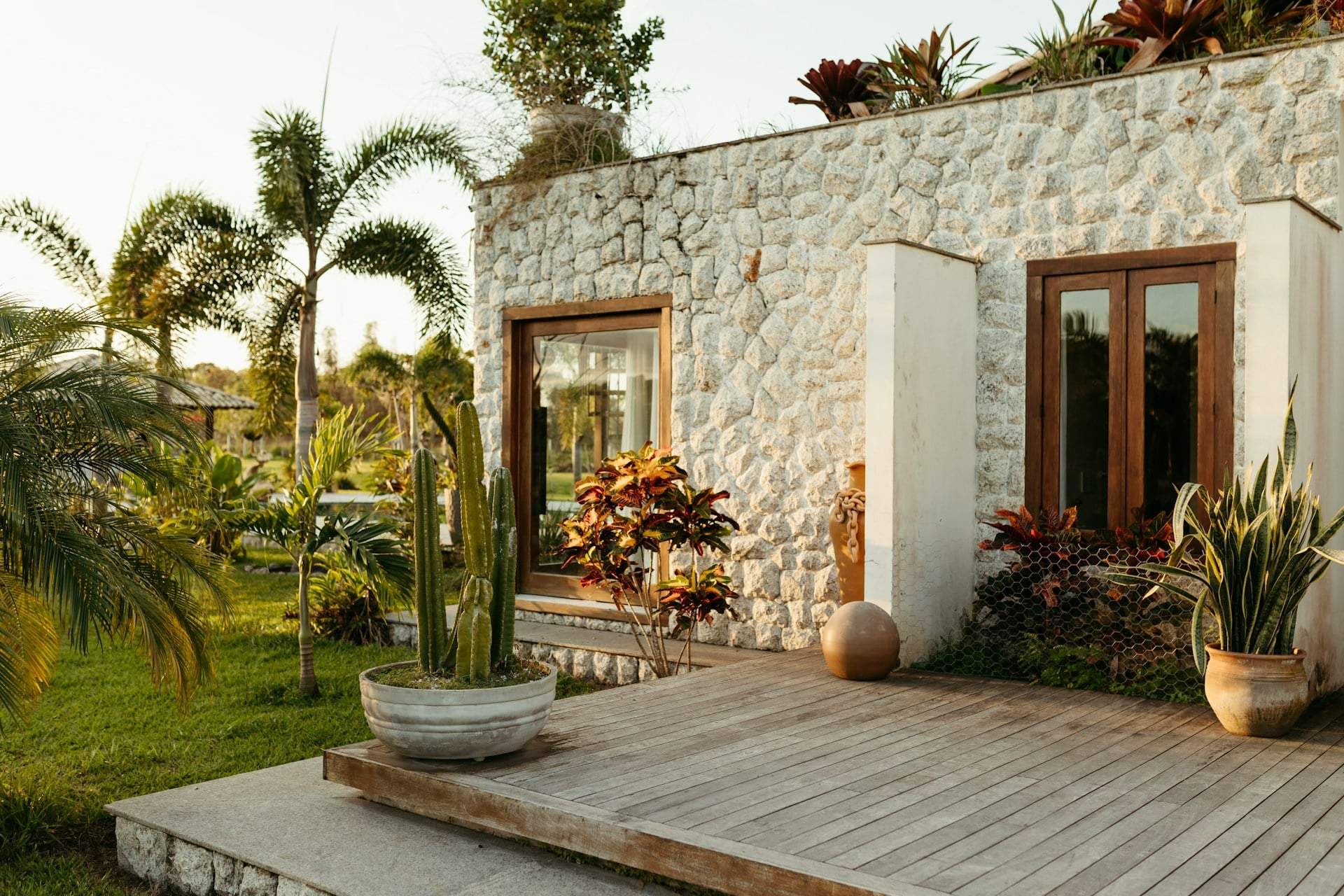
Sustainable garden design means using local materials whenever possible. Native stone, locally sourced wood, and regionally available supplies are not only eco-friendlier but also better suited to the landscape’s character. Instead of tropical hardwoods, consider more sustainable alternatives or materials that fit Hungary’s climate and garden culture.
The garden of the future isn’t a sterile showroom but a living, breathing ecosystem. It can be orderly without being rigid. Structured without stiffness. And most importantly: it brings joy—not another to-do list.