Just because something gets repeated often enough doesn't make it true. The skincare world is packed with advice that sounds convincing — passed down from magazines, influencers, and well-meaning friends — but holds up poorly under scrutiny. Here are eight of the most stubborn myths, and what the science actually says.
Expensive products aren't always better
Price and effectiveness don't go hand in hand. A drugstore moisturizer can easily contain the same active ingredients as a luxury brand — sometimes at a higher concentration. What actually matters when you're shopping is not the price tag, but the ingredient list: what actives are included and at what percentage. That's the only number that tells you what you're really getting for your money.
Oily skin still needs moisturizer
This might be the most damaging myth on the list, because skipping moisturizer has the exact opposite effect of what you'd hope for. When oily skin goes without hydration, it dries out — and responds by producing even more sebum. Oily skin absolutely needs moisture, just in a lightweight, water-based formula rather than a heavy cream.
Natural ingredients aren't automatically safe
The idea that "natural equals harmless" is a comforting one, but it simply isn't true. Many natural ingredients can cause irritation, allergic reactions, or photosensitivity — from citrus oils to fragrant botanical extracts. By the same logic, a synthetic ingredient isn't automatically dangerous. What matters is the concentration, the formula, and how your individual skin responds.
You can't actually shrink your pores
Pores can't be opened or closed — that part is genuinely a myth. But their size isn't set entirely in stone either. Sun damage and aging do cause them to appear larger over time, and certain ingredients — particularly retinol and niacinamide — have been scientifically shown to visibly reduce their appearance with consistent use. You can't transform them overnight, but you can influence them over time.
Curious about which makeup products make pores look worse? That's worth knowing before your next shopping trip.
Sunscreen isn't just a summer thing
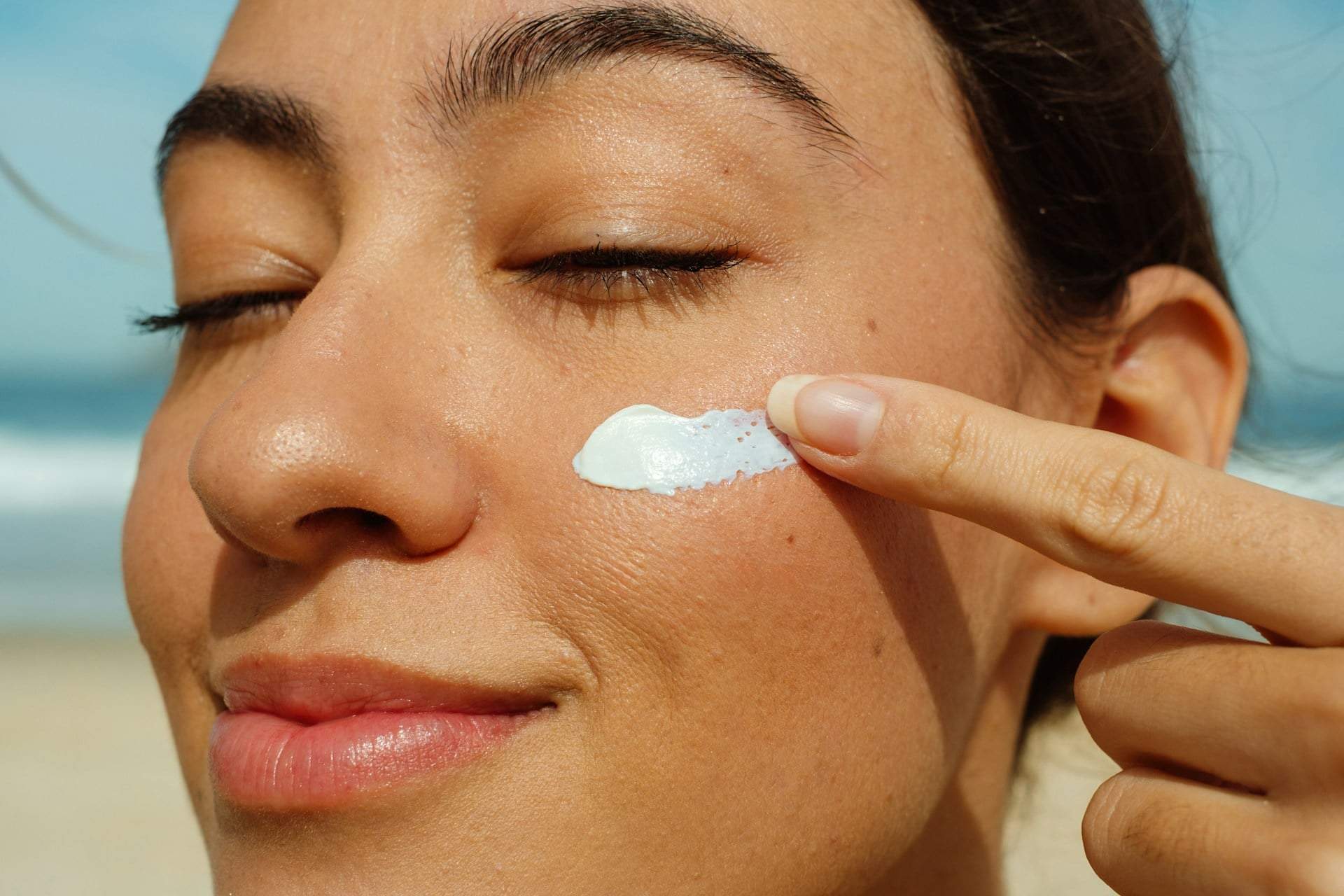
UV radiation is present all year round — on cloudy days, in winter, and even indoors. UVA rays, which penetrate deeper into the skin and are responsible for premature aging, reach your skin every single day of the year and can pass right through glass. Daily sunscreen use isn't a seasonal habit — it's the single most evidence-backed anti-aging step anyone can take, regardless of the weather outside.
Your skin doesn't "get used to" products
This is a widespread misconception with little scientific basis for most ingredients. Your skin doesn't build up a tolerance to moisturizer, vitamin C, or niacinamide in a way that makes them stop working. There is one exception worth noting: retinol does come with an adjustment period — but that's your skin learning to tolerate it, not the product losing its effectiveness.
If a product seems to have stopped working, the far more likely explanation is that your skin's condition has changed — or the results you were expecting were unrealistic to begin with.
Not all alcohol is bad for your skin
The word "alcohol" on an ingredient label isn't automatically a red flag. Fatty alcohols — like cetyl alcohol or stearyl alcohol — are actually moisturizing and play an important role in skin-friendly formulas. What genuinely dries out and irritates skin is denatured alcohol, usually listed as "alcohol denat." or "SD alcohol." These two categories are very different, and it's worth knowing which one you're looking at.
Eye cream isn't strictly necessary — but it's not pointless either
A dedicated eye cream isn't a must-have, but it's not complete marketing either. The skin around the eyes is genuinely thinner and more sensitive, which means certain potent ingredients — high-concentration acids or retinol, for example — should be applied there with more care. That said, if your regular moisturizer has a light texture and doesn't contain harsh actives, applying it around the eyes is perfectly fine. A separate eye cream is optional, but paying attention to what you put near your eyes is always a good idea.