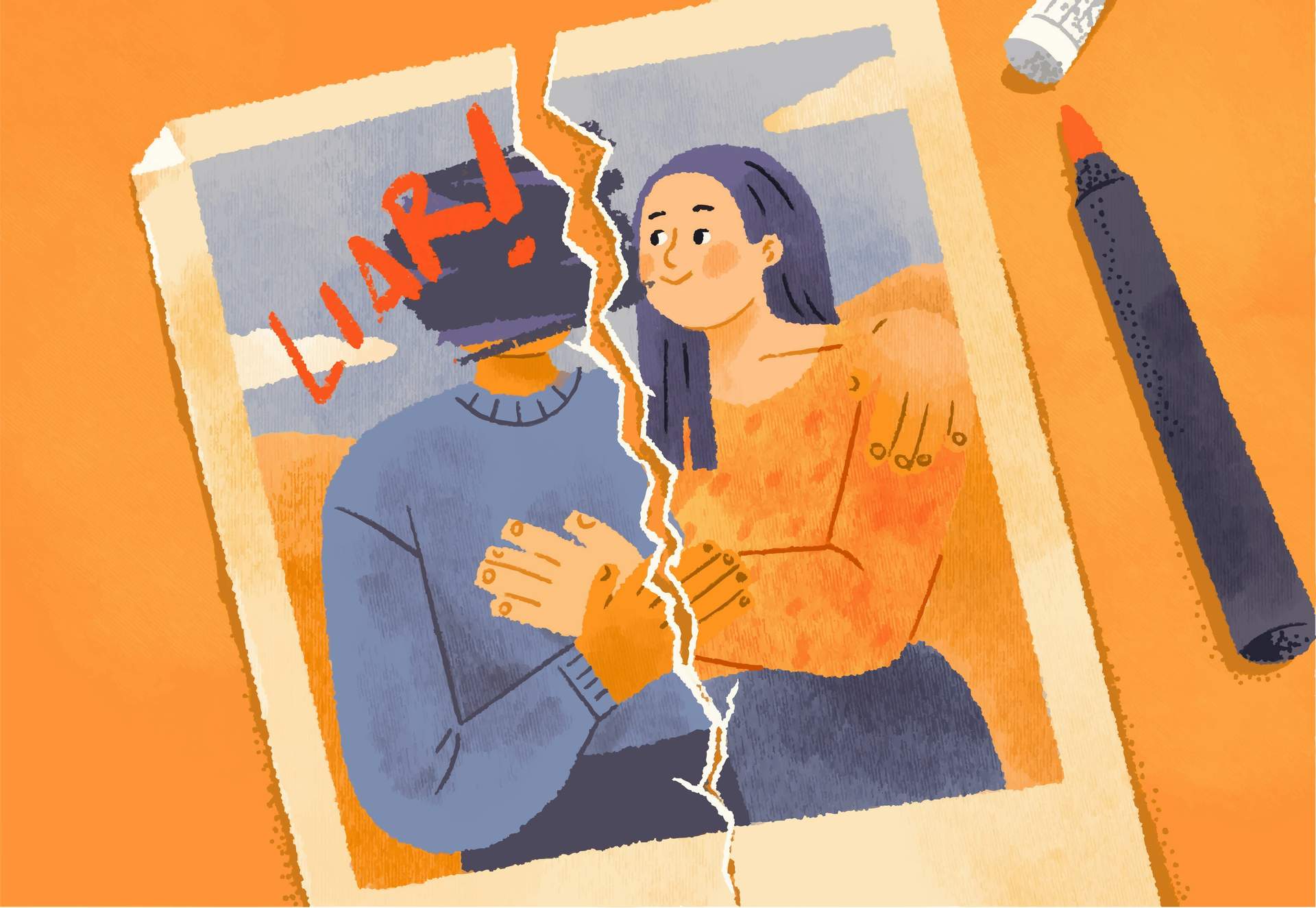
Masters of this technique know exactly how to exploit everyday gestures to steer or influence others.
Mastering the Art of Controlled Eye Contact
For a manipulator, eye contact isn’t just about trust—it’s a power move. They use long, piercing gazes intentionally to show dominance and confidence, while brief, evasive looks are designed to sow doubt in their target.
Answering Questions with Questions
Manipulators often respond to questions with another question. This keeps control of the conversation, distracts attention, and helps them avoid revealing their true intentions or knowledge. It’s a clever and effective social tactic.
Strategic Compliments
A manipulator knows exactly how powerful a well-timed compliment can be. They use praise to boost someone’s confidence, then leverage that trust for their own gain. Just as easily, they can withdraw compliments to create emotional ups and downs when it suits their agenda.
Physiological Mirroring
Manipulators often mirror the other person’s behavior and posture, sometimes even matching their breathing rhythm. This is a powerful manipulation tool because people tend to trust those who behave similarly, making them easier to influence. Learn more about dark psychology here.

Changing Tone of Voice
How a manipulator speaks often matters more than what they say. Tone, volume, and speech pace are all deliberate tools. A soft, calm voice can soothe, while a faster, louder tone can create tension that serves their plan.
Asking for Small Favors
Requesting small favors is a common manipulative move. When someone agrees to little asks, they’re more likely to comply with bigger ones later, increasing the manipulator’s influence. This “foot-in-the-door” technique is a well-known psychological strategy used consciously by many.
Sharing Confidential Information
Manipulators often share personal or seemingly confidential details. This gesture encourages the other person to open up and share their own secrets, which the manipulator can later use against them.
The Disguise of Innocent Questions
These questions may seem harmless, but manipulators know exactly how to ask things that make their target vulnerable or uncertain. Such questions help them uncover personal weaknesses to exploit later.
Spotting and stopping manipulation isn’t always easy, but awareness and understanding these subtle cues empower us to protect ourselves.