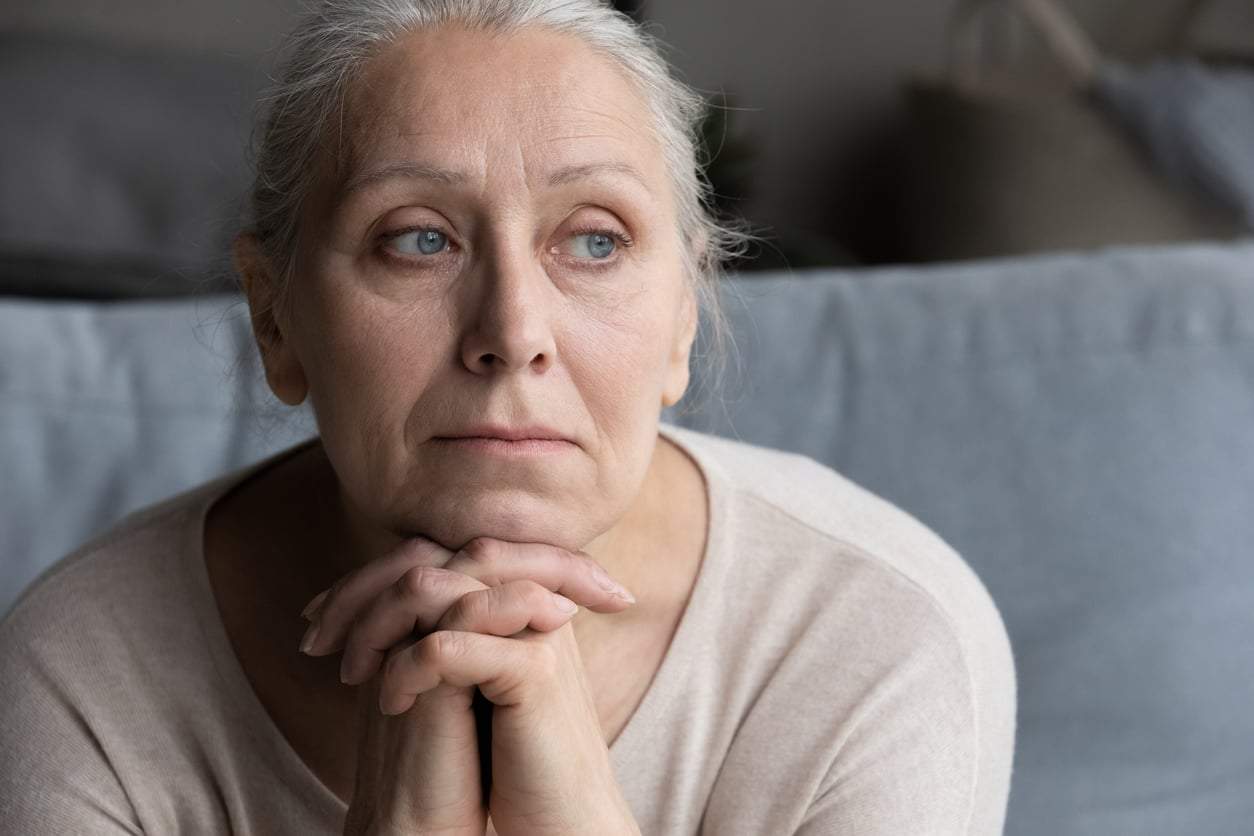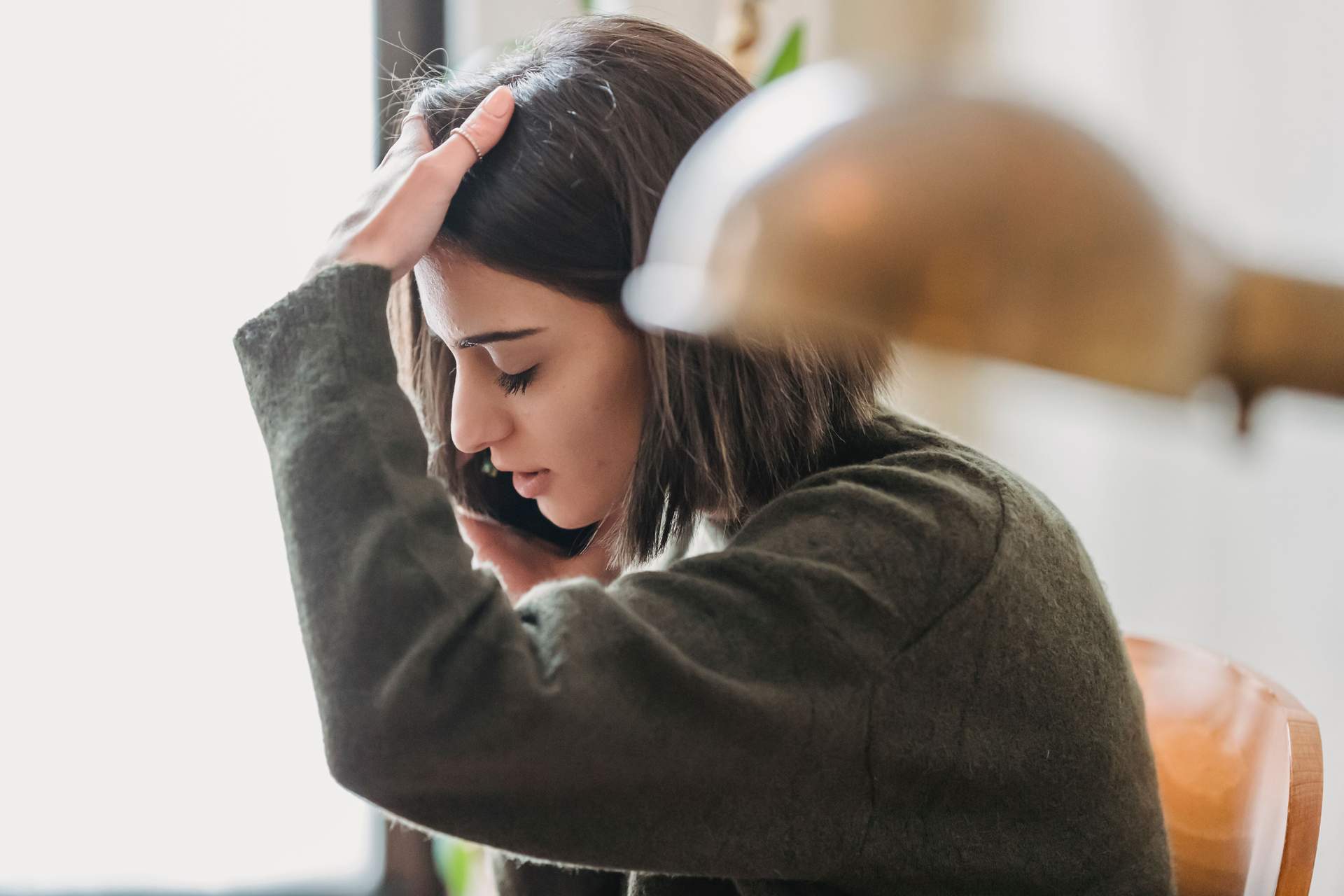
I was standing in the office kitchen, holding a half-made coffee, when the email arrived. Three months of work. An application I genuinely believed I had a real shot at. And then, in a single line on the screen, it was over — they had chosen someone else. I didn't cry. I just sat down on the cold tile floor and stared at the mug I'd already forgotten I was holding.
When the rejection wasn't even the worst part
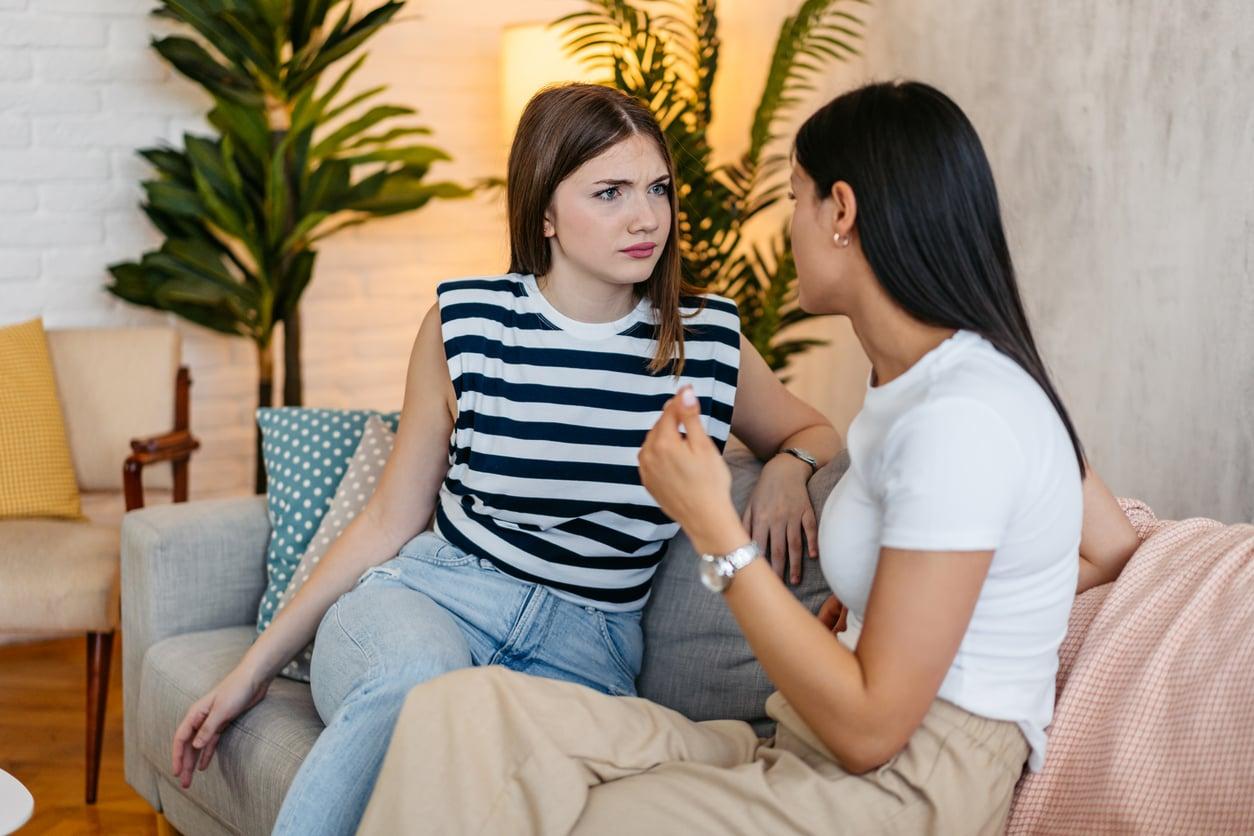
That evening, I wanted to tell my best friend. She was always the person I could bring my harder days to — no filter, no performance. We went to the little restaurant we used to go to all the time, sat down, and I started to explain what had happened. I hadn't even finished my first sentence when she glanced down at her phone and said, casually, "Oh come on, it's not the end of the world," and kept scrolling.
I wasn't expecting her to fix anything. I wasn't looking for a speech about my courage or my potential. I just needed her to put the phone down and look at me for one minute. Instead, I sat there at that table feeling my stomach tighten — not because of the email anymore, but because of the sudden, hollow awareness that no one was really there with me.
I tried again. I told her this mattered to me, that I'd spent weeks on it, that I needed more than a throwaway reassurance. She looked up and said I was being dramatic. Right there, over the plates, something that had felt solid quietly cracked.
It wasn't losing the application that broke me
What broke me wasn't the rejection. It was seeing, clearly and unmistakably, how little it registered for her — how quickly what was happening to me became background noise.
On the walk home, I tried to untangle exactly what hurt. Losing the application felt like a cold splash of water — sharp, but the kind of thing you shake off. What she did went deeper, because over the years I had quietly learned that I was safe with her. That she was one of the people I could be unguarded around. And in that restaurant, I started to wonder whether that safety had ever been as real as I thought.
The next day she sent a message. Sorry if she'd reacted badly — she was tired, she hadn't realized it was such a big deal. I read it twice. I tried to give it the most generous interpretation I could. Maybe it really was just a bad moment, the tail end of a long day, nothing more. But I also noticed, quietly, that it wasn't the first time this had happened — the first time I'd needed her and found her somewhere else entirely, even when she was sitting right across from me.
Since that evening, I measure closeness differently
We didn't fall out. There was no dramatic confrontation. But something shifted in me, and I haven't been able to shift it back. I'm more careful now about who I bring my difficult days to. Some people instinctively know that putting down a phone, or holding a gaze for an extra beat, can mean more than any perfectly chosen words. Others, for whatever reason, never quite learn that.
I still don't know for certain which one she is. What I do know is that since that evening, I no longer take closeness for granted — and I've stopped assuming that someone's physical presence means they're actually with you.
Frequently asked questions
Why did the friend's reaction hurt more than the rejection itself?
Because the rejection was external and impersonal, while the friend's indifference came from someone the writer had trusted deeply for years. That sense of safety being called into question cut far more than any professional setback.
Is it fair to expect a friend to always be emotionally available?
The article doesn't ask for perfection — just for a moment of genuine attention. The writer makes clear she wasn't looking for solutions or grand gestures, only for her friend to put the phone down and be present for a minute.
How do you know when a friendship has a real problem versus just a bad moment?
According to the writer's experience, the real warning sign was that it wasn't an isolated incident — she recognized a pattern of not being truly heard when she needed it most.
What does "measuring closeness differently" actually mean?
After that evening, the writer became more intentional about who she opens up to during vulnerable moments, paying attention to whether someone is genuinely present rather than assuming closeness based on history alone.