For a long time, I believed distance was the thing that ended friendships. That once someone moved to another city — another country — everything between you slowly faded, like a photograph left too long in the sun. It felt inevitable, almost poetic. Then I had to confront something much less comfortable: my best friend didn't drift out of my life because she moved abroad. She drifted out because I stopped asking how she was.
A single photo made it impossible to ignore
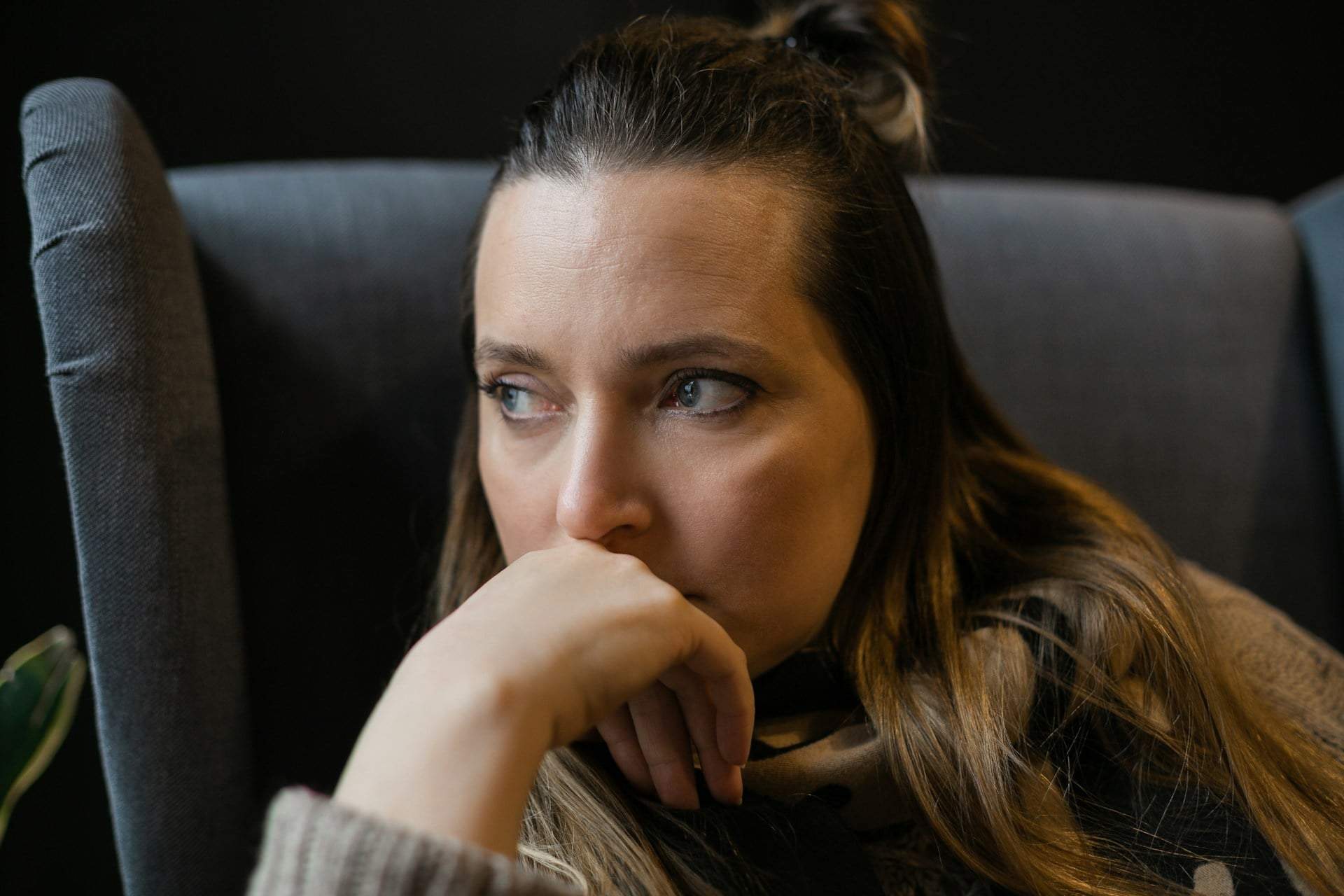
I remember the exact moment it hit me. I was sitting in a café, phone in hand, when a notification appeared. A mutual friend had posted a photo with her — laughing on some sunny hillside somewhere. I stared at it longer than I should have. My daughter noticed my expression and asked what was wrong. I said nothing. Just someone I was thinking about.
But it wasn't nothing. It was an entire decade rushing back at once. She was the one I called at 2 a.m. when my relationship fell apart in college — and she showed up within two hours with a bottle of wine, even though she had work the next morning. I was the one who sat with her in a hospital waiting room the night her father had a heart attack. These weren't small moments. This was the real substance of friendship — the kind that builds up over years and gives you something to draw on when life gets hard.
First we talked less. Then we barely talked at all.
Then life did what life does. A job offer took her to Vienna. My world shrank into its own quiet routine: work, kids, the same week repeating itself. The first six months, we messaged every day. Then weekly. Then only on birthdays.
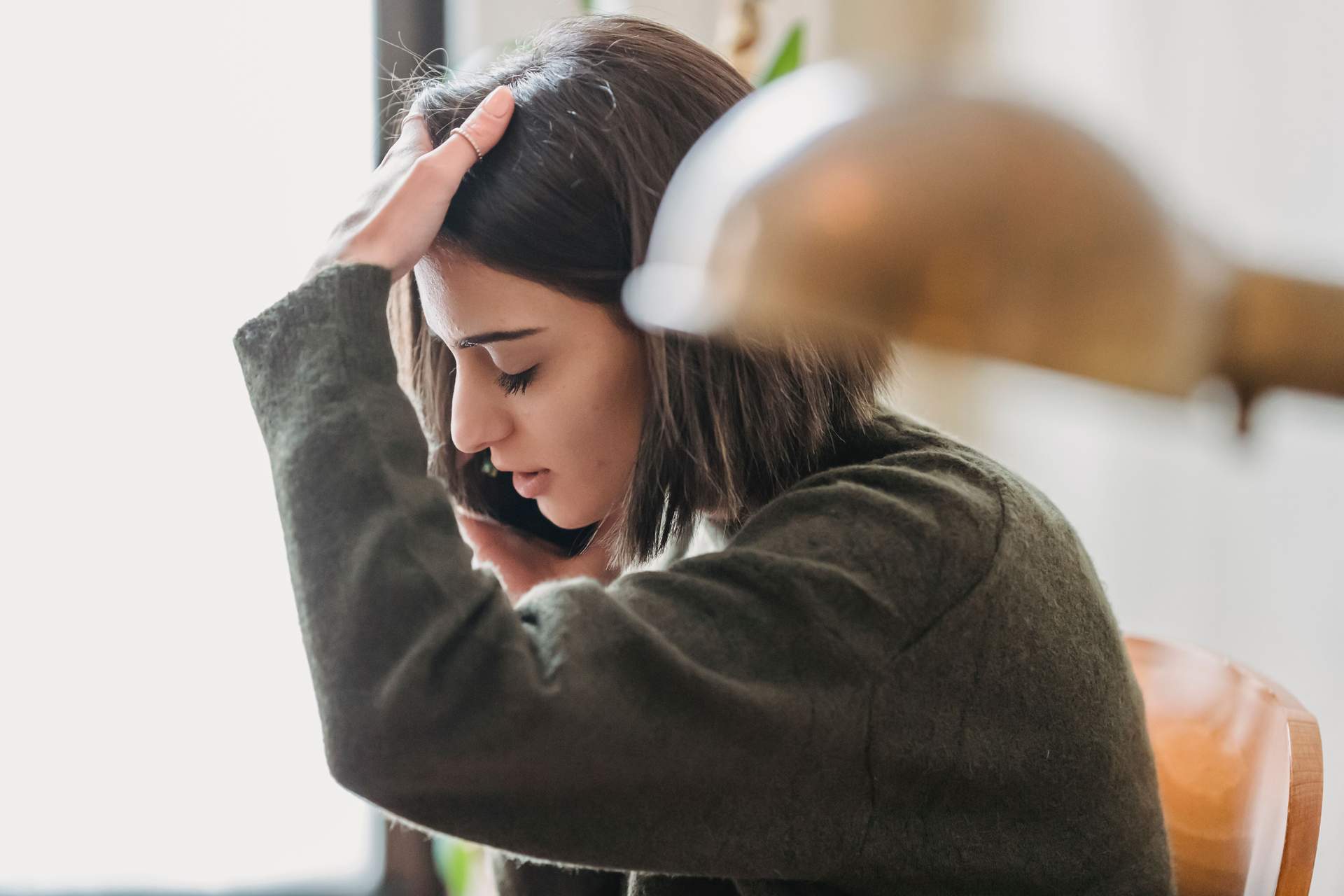
Once, I sent her a long voice note about a hard stretch at work. She didn't reply for two days. I was hurt. What I didn't stop to consider was that she was navigating a new city, a new language, a new life — and I took her silence as a personal slight. So I pulled back too. Wrote less. Expected less.
It was as if some unspoken agreement had formed between us — one we never actually made — to just let this thing quietly die.
For a while, I told myself this was just what adult friendships do. That fading wasn't failure, just a natural transition. I don't believe that anymore. There's a real difference between someone being physically far away and someone slipping out of your emotional orbit entirely. Distance can be bridged with a video call, a voice note, a ridiculous meme sent at midnight because it reminded you of an old inside joke. But if it no longer occurs to you to send it — the miles aren't the problem.
Eventually, I was the one who reached out first
About a month after I saw that photo, I finally messaged her. Nothing dramatic — just: "I miss you, and I'm sorry I haven't asked how you're doing in way too long." Half a day passed with no reply, and I spent most of it wondering if it was too late. Then a voice note came through. Her laugh was in it — exactly the same laugh I'd known for fifteen years — and she said: "I got it wrong too. Let's talk."
I don't know if this friendship will ever feel exactly like it used to. Maybe it won't. But we're asking again — how are you, how are things, what's going on with you. And maybe that's really all it takes: not the grand gestures, but someone who doesn't stop asking.
Is your friendship fading — or just resting?
How do you know when a friendship has genuinely run its course versus when it just needs someone to make the first move? A few honest questions worth sitting with:
- When did you last reach out first — not to respond, but to initiate?
- Do you feel relieved or sad when you think about the friendship fading?
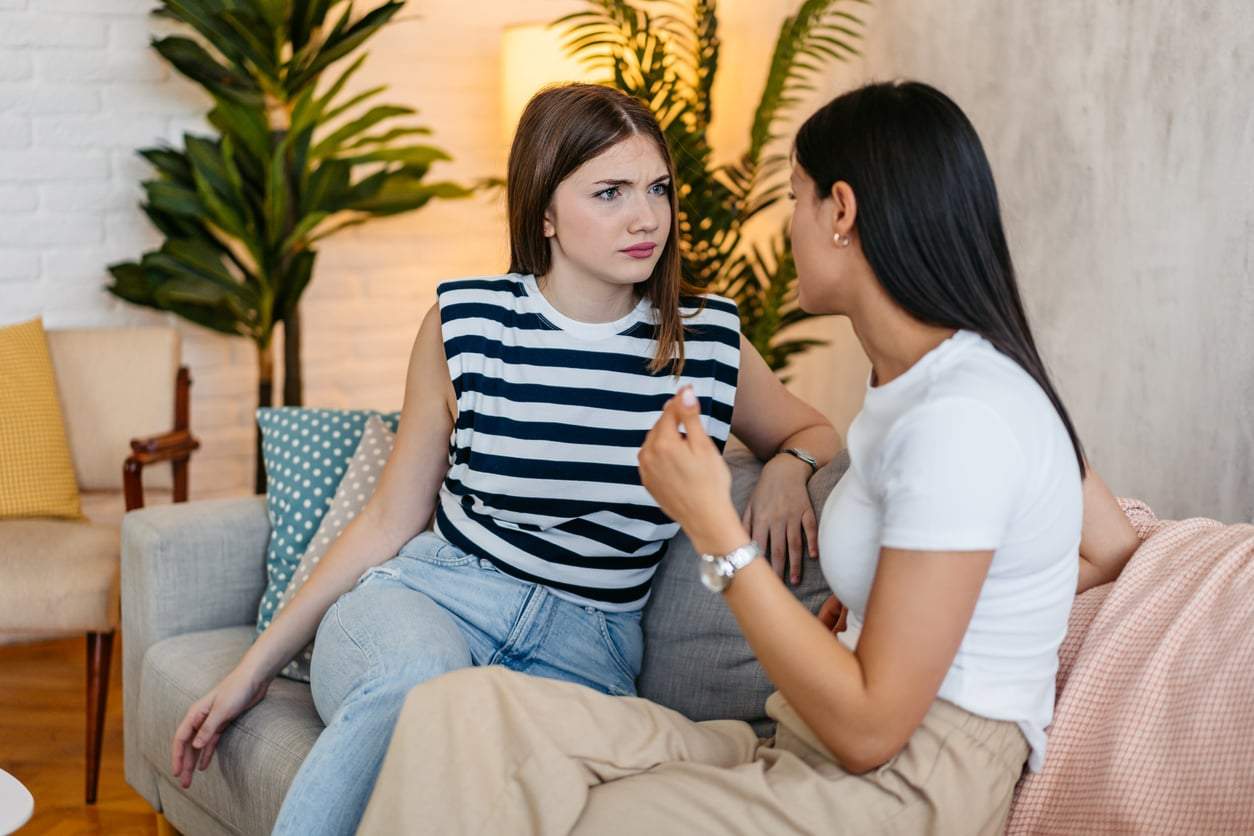
- Is there something unspoken between you that neither of you has said out loud?
Sometimes a friendship isn't over. It's just waiting for one person to be brave enough to go first.
Can a long-distance friendship really survive?
Yes — but it requires intention from both sides. Physical distance doesn't have to mean emotional distance, but it does mean the friendship needs a little more deliberate effort than one where you see each other regularly.
What's the best way to reconnect with a friend you've grown apart from?
Keep it simple and honest. A short message acknowledging the gap — without overdramatizing it — is almost always enough to open the door. You don't need a grand explanation, just a genuine one.
Is it normal for close friendships to fade in adulthood?
It's common, but that doesn't mean it's inevitable. Adult life gets busy and priorities shift, but the friendships that truly matter can usually be revived if both people are willing to try — even if they look a little different than before.
How do you know if a friendship is worth saving?
If thinking about losing it makes you sad rather than relieved, that's usually your answer. The grief you feel when you imagine it being gone for good is often a clear sign of how much it still means to you.