Turing predicted that this would become more common in the decades ahead. It didn’t take long—by the 1960s, MIT professor Joseph Weizenbaum introduced Eliza, the first chatbot, designed to imitate a psychotherapist and a forerunner of modern AI. Today, Turing’s question feels more relevant than ever.
We’ve reached a technological turning point where progress is so rapid that safeguards haven’t fully caught up, yet AI is already influencing many parts of our lives. But can this progress benefit us in one of the most sensitive areas—mental health? Here’s the answer!
AI as a Digital Therapist – Blessing or Illusion?
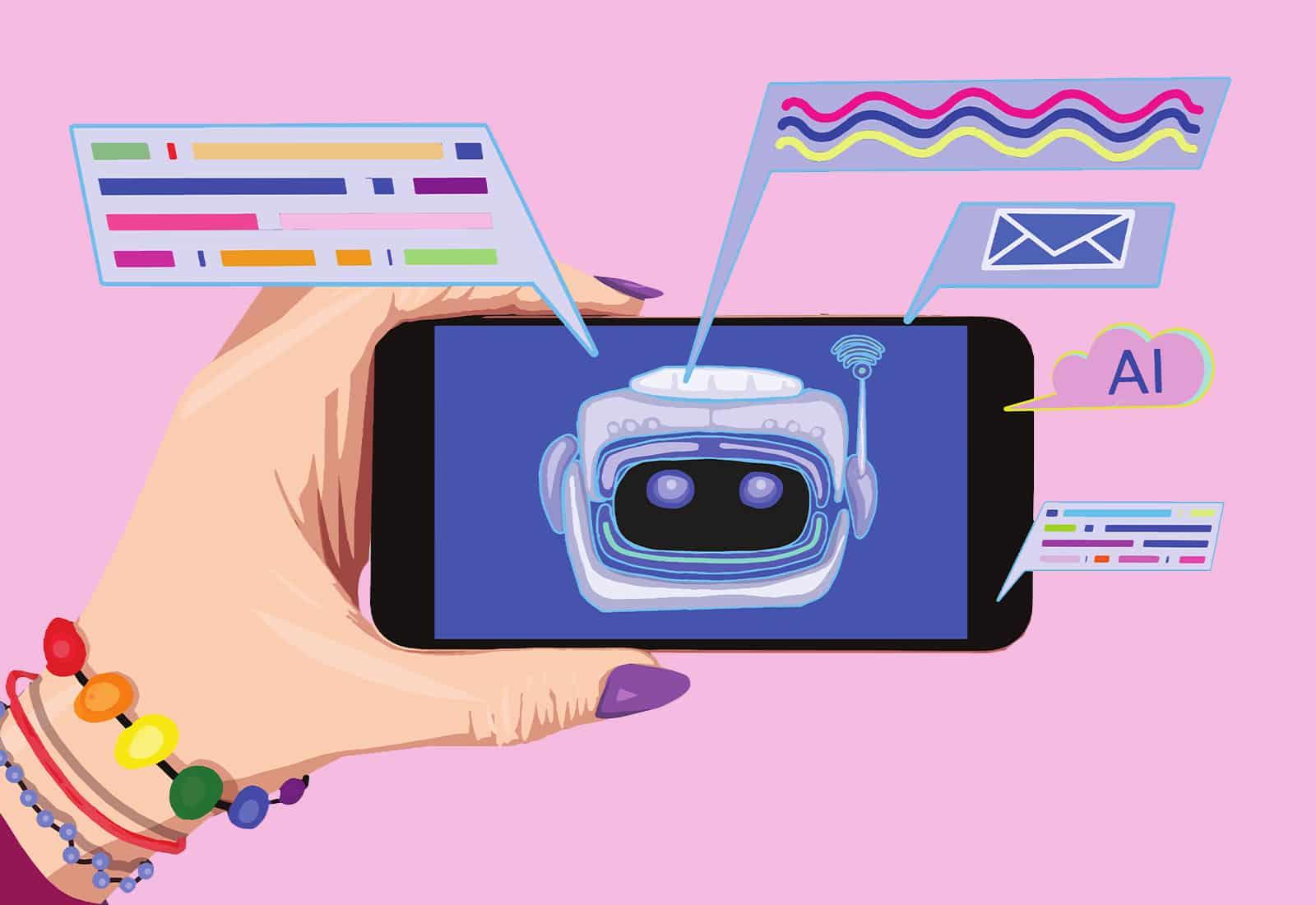
In recent years, chatbots promising mental health support have emerged. Some were developed with psychologists, others run purely on algorithms. These apps often offer 24/7 availability, non-judgmental responses, and instant replies—features that can be very appealing to someone struggling with anxiety or depression.
AI assistants like Woebot and Wysa have reached millions of users, applying cognitive behavioral therapy techniques. Studies suggest they can ease symptoms in the short term, especially for those who can’t or won’t seek a real therapist. But what about long-term effects?
An algorithm will never truly understand your feelings; it processes data, responds based on patterns, and can’t empathize like a human.
Data Privacy, Intimacy, Responsibility
Mental health isn’t just about “talking”—it involves sensitive, deeply personal data and connections. With AI-driven “therapists,” it’s not always clear where this data goes, who accesses it, or what happens to it later. Using this technology raises ethical and legal questions that even experts haven’t fully resolved.
Who’s responsible if a chatbot gives bad advice? What if it misses a crisis call for help? Where’s the line between self-help tech and healthcare services? Most experts agree AI has a role in mental health—not as a standalone therapist, but as a supportive tool. It can track mood changes, remind you to journal or meditate, and be a friendly digital companion for first steps. But it can’t replace real, deep self-awareness work or human connection.
The question isn’t whether a machine can think or “talk” with us, but whether we want to entrust it with the part of life where human connection matters most.
While artificial intelligence can now simulate empathy and helpful intent, in mental health it remains more of a complementary tool than a full solution. Research and development are underway worldwide to integrate AI ethically, safely, and effectively into healthcare systems. For example, AI-supported therapy programs supervised by clinical psychologists show promise.
At the same time, some countries still lack access to psychological care, making AI-based help the only option for many. The key remains human oversight and professional support. Only then can technology become a true ally, not a risk. The future isn’t about choosing between people and machines—it’s about how they can work together without losing what makes us truly human.