A Stunning Past: The Life of a 193-Year-Old Tortoise
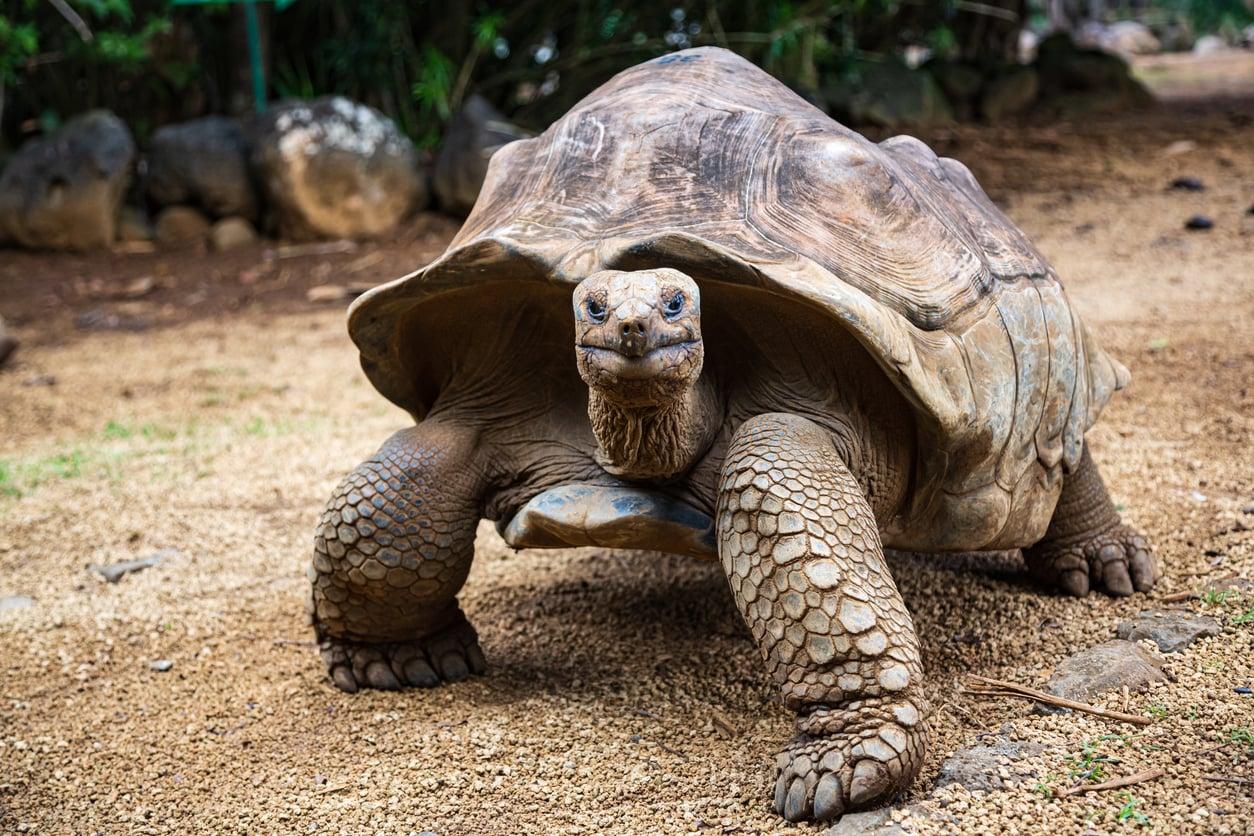
Longevity isn’t just a human privilege—nature offers incredible examples that defy the usual pace of time. One such marvel is Jonathan, an Aldabra giant tortoise who has been part of our world for over 193 years. This remarkable age is astonishing among reptiles, making Jonathan a true living legend.
Jonathan’s story fascinates not only biologists but also everyday nature lovers. He arrived in 1882 on the remote island of Saint Helena in the South Atlantic (a British Overseas Territory), gifted from the Seychelles. That means he’s lived in the same place for 140 years, in the governor’s residence garden.
Jonathan is so old that when he was born, there was no electricity, no telephone, and Queen Victoria was not yet ruling England. From a human history perspective, it’s incredible: he has witnessed over seven generations come and go.
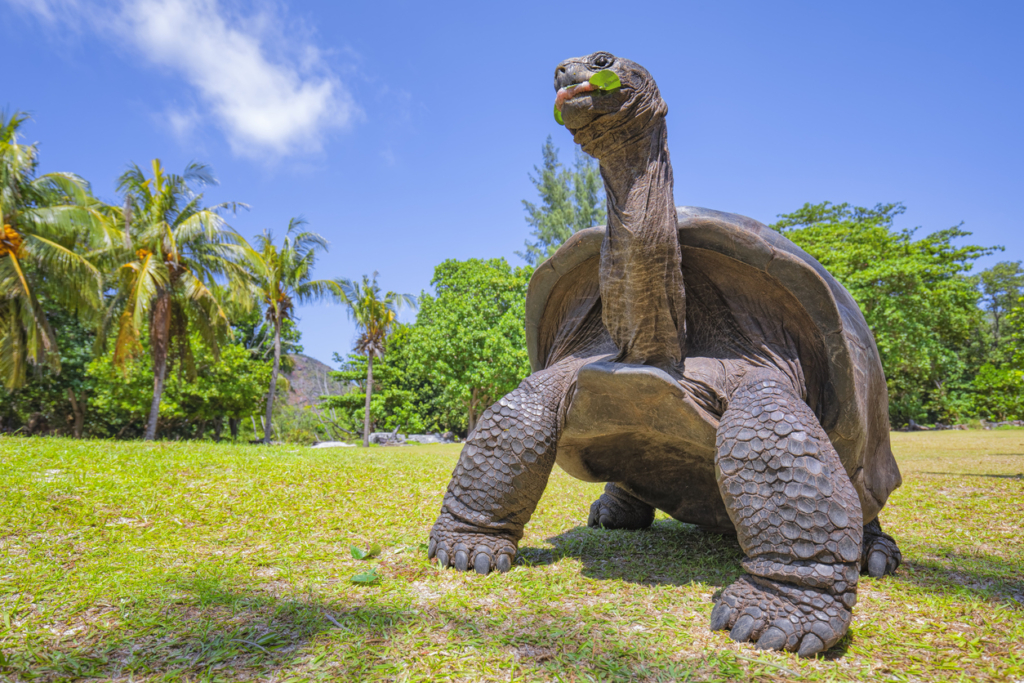
In 2022, Jonathan officially entered the Guinness World Records as the oldest living land animal on Earth. Since he no longer has teeth to eat his natural food easily, his caretakers feed him selected vegetables and fruits three times a week, like carrots, cucumbers, lettuce, and apples.
He’s not entirely alone—he shares his garden with several other Aldabra tortoises. Interestingly, one companion, Frederica, was long thought to be female but was revealed to be male during surgery. Jonathan and Frederica lived as a “same-sex pair” for over 25 years and remain close to this day.
For millennia, humans have admired tortoises’ calm, quiet lifestyle, which seems to embody timeless peace. Aldabra giant tortoises like Jonathan are especially known for their ability to reach almost unimaginable ages. But how is this possible? What genetic and ecological factors contribute to this wonder?
One key factor is their incredibly slow metabolism, which helps slow down aging. Their skin and shells also contain special components that protect them from environmental harm, like sunlight and predators.
All these factors together allow these animals to enjoy life’s beauty for centuries.
Jonathan stands out not only for his lifespan but also for his eventful life. By nature, he is a calm and balanced creature, yet he adapts well to changes, like habitat shifts or new neighbors.
Researchers and conservationists carefully monitor Jonathan’s life, gathering valuable data on what enables his long survival. This knowledge benefits many other marine and land tortoise species, helping us understand how to maintain healthy populations and protect these amazing creatures.
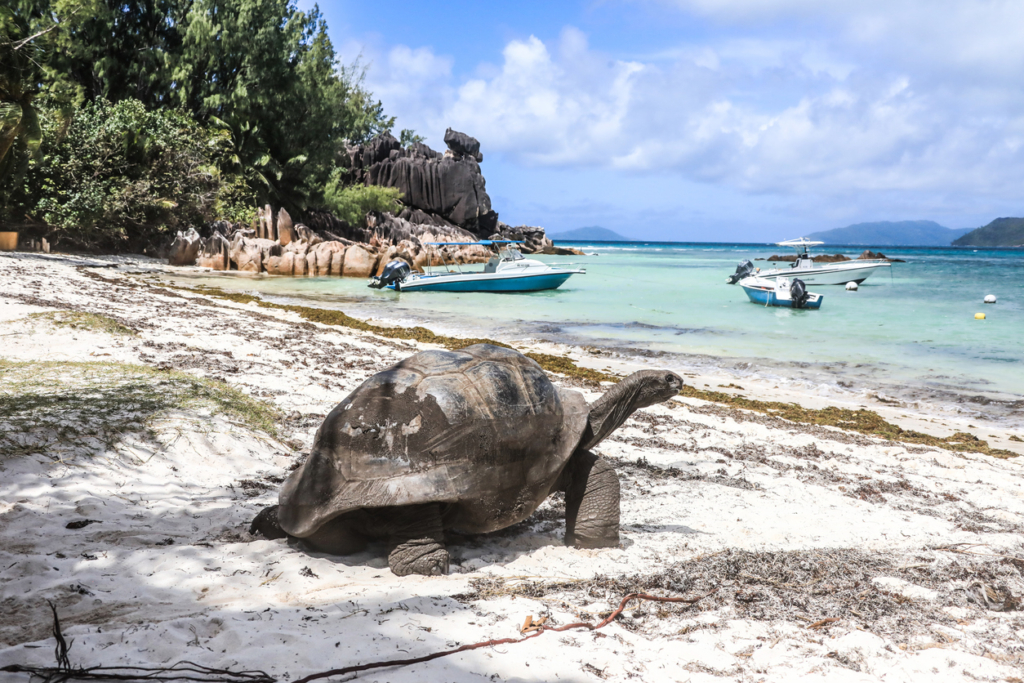
Though Jonathan’s life is enviable, he faces the challenges that come with long age. His vision has weakened, he’s lost his teeth, and his hearing isn’t as sharp as it once was. Still, simple joys like a sunny day by the shore or nibbling fresh plants keep him happy.
The local conservation team ensures Jonathan receives the best care and all the resources he needs to continue his long, fulfilling life. Over the years, a special bond has formed between humans and this tortoise, proving that nature and people can live in harmony.
The Future of Tortoises
Jonathan’s story reminds us of the dignity and wonder in nature. That’s why it’s so important for all of us to do our part in protecting tortoises and wildlife in general. Especially today, with ecological crises threatening life on our planet, sustainable choices and environmental awareness are more crucial than ever.
Whether it’s Jonathan or other tortoises, their future depends heavily on the decisions we make now and how we choose to relate to nature. Let’s aim to preserve these incredible creatures for generations to come, ensuring a sustainable world beyond today’s challenges.