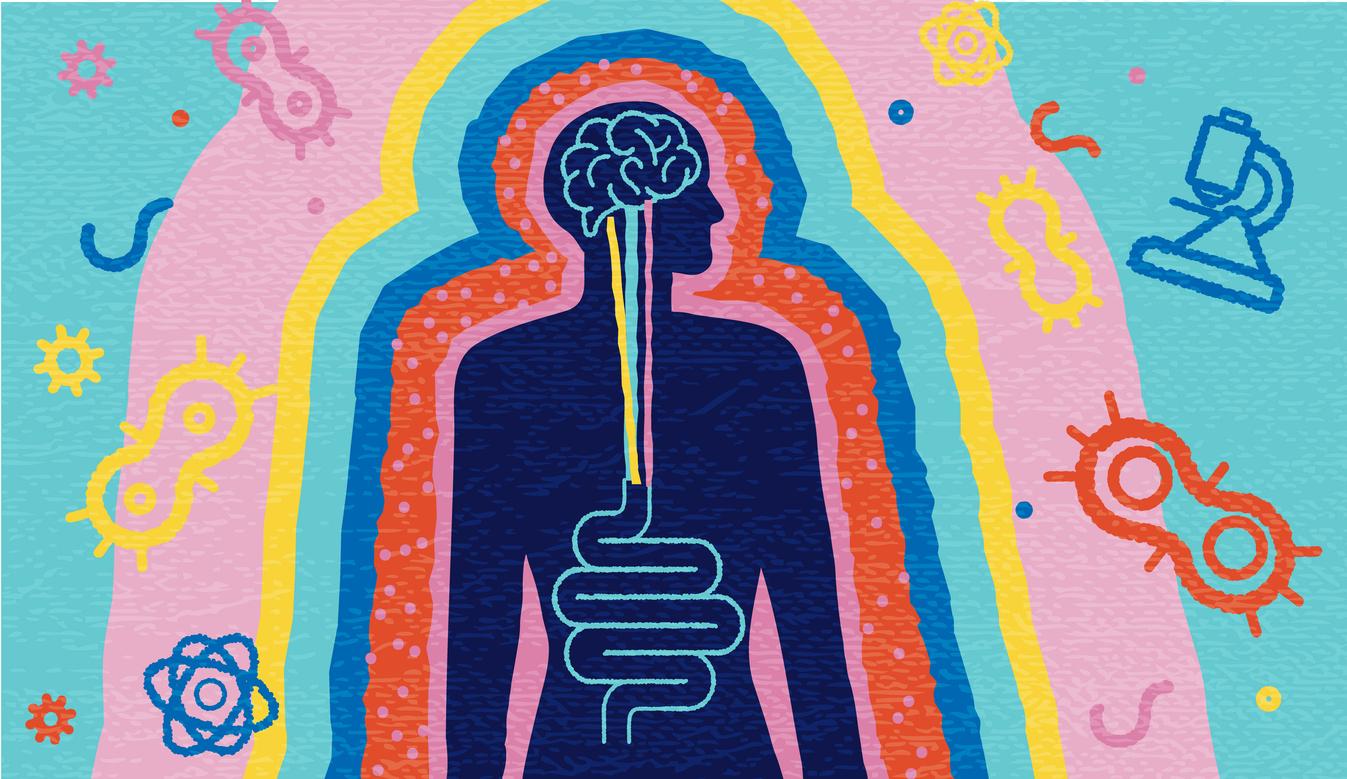
Recent scientific research increasingly highlights that the gut flora—a vast community of microorganisms living in our digestive system—plays a key role in maintaining our health. These microbes don’t just help with digestion and nutrient absorption; they also support immune function and can influence mood and stress responses. In this article, we focus on how stress affects your gut flora and, in turn, your overall well-being.
What Is Gut Flora?
Gut flora refers to the collection of microorganisms living in the human digestive tract, including billions of bacteria, viruses, and fungi. These microbes live in harmony with us, forming a mutually beneficial relationship with the tissues of the gut. Everyone’s gut flora is unique and can change based on environmental factors, diet, and lifestyle habits.
One of the gut flora’s main jobs is to aid digestion by breaking down food and helping absorb nutrients. It also plays a crucial role in defending against harmful bacteria. However, serious imbalances in gut flora can lead to health issues like irritable bowel syndrome, inflammatory bowel diseases, and other chronic conditions.
How Stress Affects Gut Flora
Stress, especially when chronic, can impact gut flora in many ways. Research shows stress can significantly alter the composition and function of the gut microbiome. Stress hormones like cortisol affect the gut by changing its motility and shifting the balance of microbes living there.
For example, stress can increase gut permeability, allowing harmful microbes and toxins to enter the bloodstream. This can overload the immune system and trigger inflammation. Changes in gut microbiota like these have also been linked to mental health challenges such as depression and anxiety.
Research and Evidence
Many studies confirm that stress affects gut flora. A notable example published in the Journal of Physiology and Pharmacology observed that chronic stress reduces bacterial diversity in the gut, which is connected to various digestive and psychological disorders.
Further research shows that introducing probiotics—live beneficial bacteria—can help repair stress-induced damage to gut flora. These microbes support restoring balance, which can improve overall health and immune function.
How to Reduce the Effects of Stress
Protecting your gut flora and reducing stress’s harmful effects is easier than you might think. Start by managing stress with relaxation techniques like meditation or yoga, proven to lower stress hormone levels.
Diet changes also make a big difference. A balanced diet rich in fiber and fermented foods like yogurt or sauerkraut naturally supports your gut flora. These foods provide probiotics that help maintain a diverse and healthy gut environment.
The Role of the Gut-Brain Axis
The connection between your gut and brain, often called the gut-brain axis, plays a key role in how you experience and manage stress. This complex network links the gut and central nervous system, influencing emotional and cognitive functions.
Some studies suggest that neurotransmitters produced by gut bacteria, like serotonin, affect brain processes. That’s why keeping your gut flora balanced matters not just for physical health but also for mental well-being.
Growing research on the gut-brain axis highlights that beyond traditional treatments, addressing diet and probiotics can be valuable in managing psychological disorders.