
Bien Logo

Teaching Your Skin to Repair Itself: The Autumn Barrier Routine That Isn't Just More Cream

Clara Ventura4 min read
Share:
Teaching Your Skin to Repair Itself: The Autumn Barrier Routine That Isn't Just More Cream — Face

Start with subtraction, not addition

Before you buy anything, take a week of removal. Cut back to a gentle cleanser, one simple hydrating layer, a moisturiser and daytime SPF. Pause exfoliating acids, scrubs, retinoids, strong vitamin C and anything labelled resurfacing. Wash your face with lukewarm water rather than hot, and pat rather than rub.

This feels like doing nothing, which is exactly why most of us skip it. But a stripped-back week tells you more than any product review: if the tightness and stinging settle, your barrier was the problem, not your pigmentation or your pores. If nothing changes at all, that is worth raising with a pharmacist or a doctor, because persistent redness, flaking and itching can be a skin condition that needs proper treatment rather than a better moisturiser.

Then give it the materials — and the time

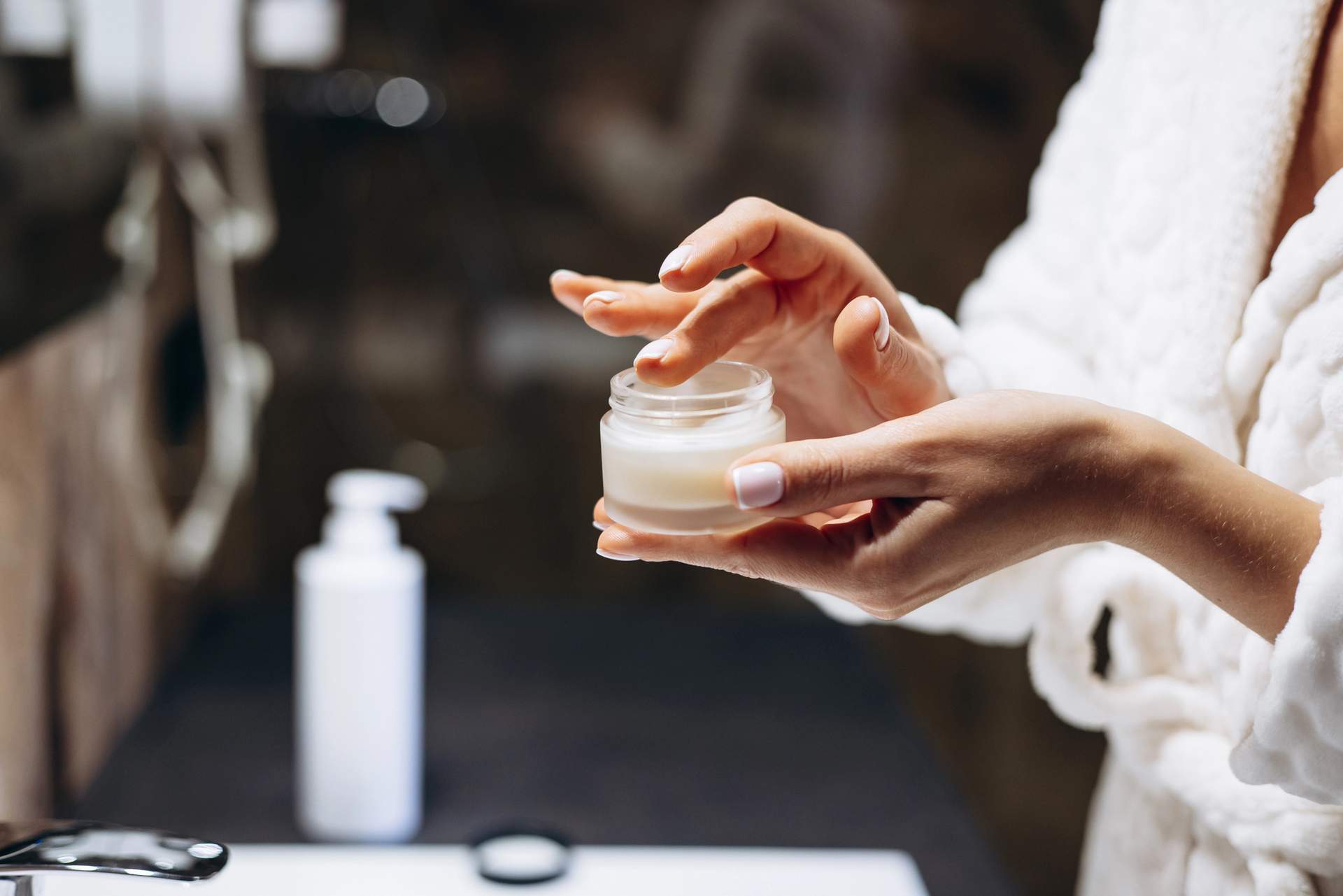
When you rebuild, think in three jobs. Humectants — glycerin, hyaluronic acid, panthenol — pull water in. Lipids — ceramides, cholesterol, squalane, plant oils — restore the mortar. Occlusives — richer balms, petrolatum-type textures — slow the water loss while repairs happen. A good barrier moisturiser usually does all three, which is why layering six serums underneath rarely helps.

Niacinamide is the quiet workhorse here and worth looking for on an ingredient list, as is applying your moisturiser onto slightly damp skin rather than bone-dry skin. And then the hard part: consistency for several weeks, not several days. Skin renews on its own schedule, not on yours, and most people abandon a good routine at day nine because it hasn't performed a miracle yet.
Related reads

When Dull Skin Doesn't Need More Actives — It Needs Water and Time — Face

When Dull Skin Doesn't Need More Actives — It Needs Water and Time

If your skin looks tired despite a shelf of acids, retinol and vitamin C, the problem may be that it's simply thirsty and slightly overworked. Here's the two-week reset that brings the light back.

Clara Ventura•
Winter Face: Why Your Skin Turns on You the Moment It Gets Cold — Face

Winter Face: Why Your Skin Turns on You the Moment It Gets Cold

Dull, tight, flaky in some places and oddly shiny in others — the seasonal slump in your skin isn't your imagination. Here's what changes when the temperature drops, and the small routine edits that actually help.

Clara Ventura•
The Patches Summer Left Behind: A Calm Autumn Plan for Pigmentation — Face

The Patches Summer Left Behind: A Calm Autumn Plan for Pigmentation

Freckle clusters that joined up, a shadow across the cheekbones, dark marks where a spot used to be — autumn is the sensible season to work on all of it. Here's the order that actually helps.

Clara Ventura•
The Week the Clocks Go Back: A Gentler Plan for the Suddenly Dark Evenings — Mind & soul

The Week the Clocks Go Back: A Gentler Plan for the Suddenly Dark Evenings

One hour shouldn't be able to flatten a whole week, and yet it often does. What actually helps when the light goes early and your routine wobbles with it.

Mira Calloway•
The Thing We Still Whisper About: Pelvic Floor Health and the Cost of Staying Quiet — Body

The Thing We Still Whisper About: Pelvic Floor Health and the Cost of Staying Quiet

Leaking when you sneeze, cough or laugh is extremely common — and almost never discussed out loud. Why the silence persists, and the first sensible steps towards getting help.

Elise Navarro•
You're Doing the Workouts — So Why Does Nothing Feel Different? — Body

You're Doing the Workouts — So Why Does Nothing Feel Different?

Turning up three times a week and feeling exactly the same is demoralising. Usually the missing piece isn't effort — it's one of these four unglamorous things.

Lena Hartley•