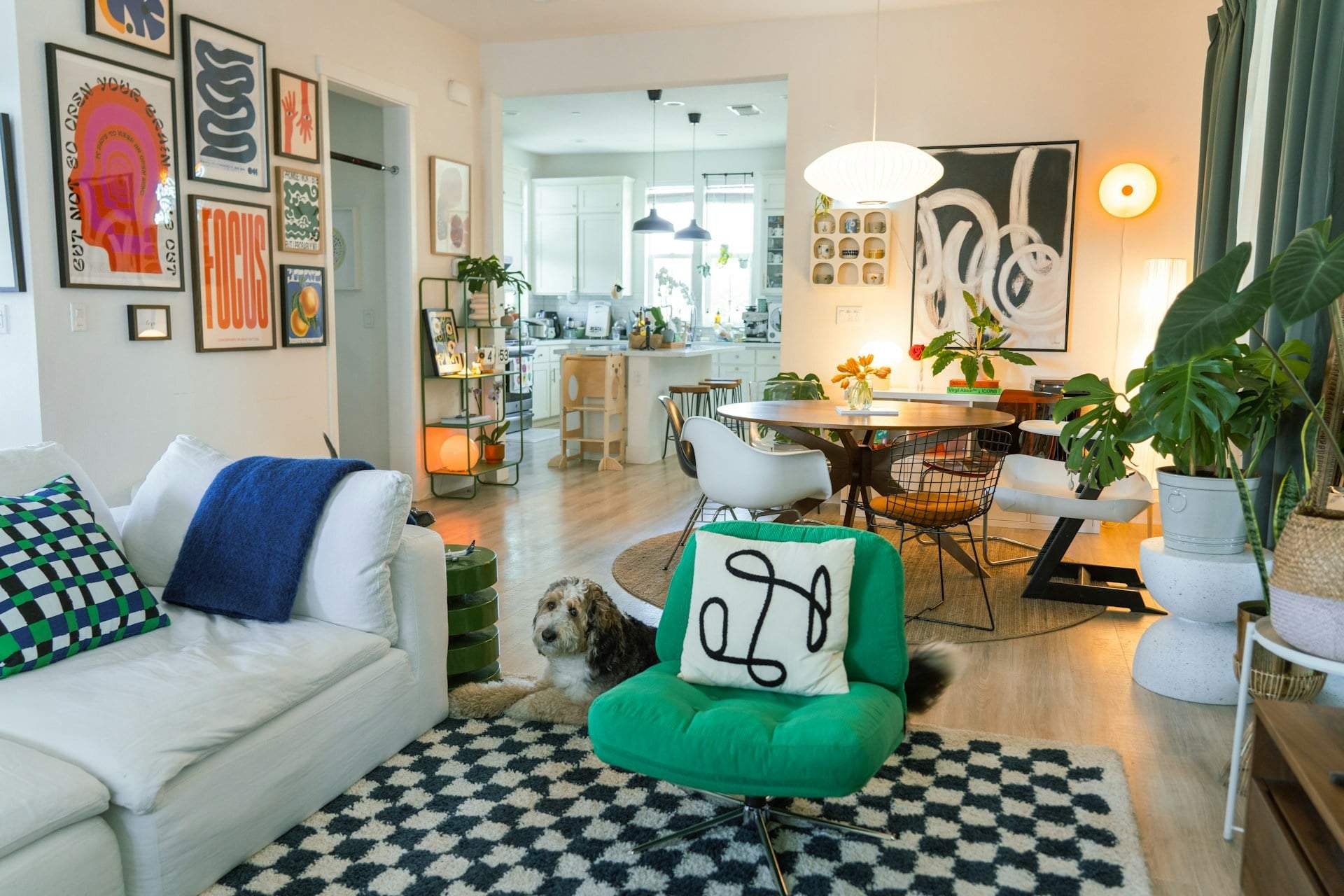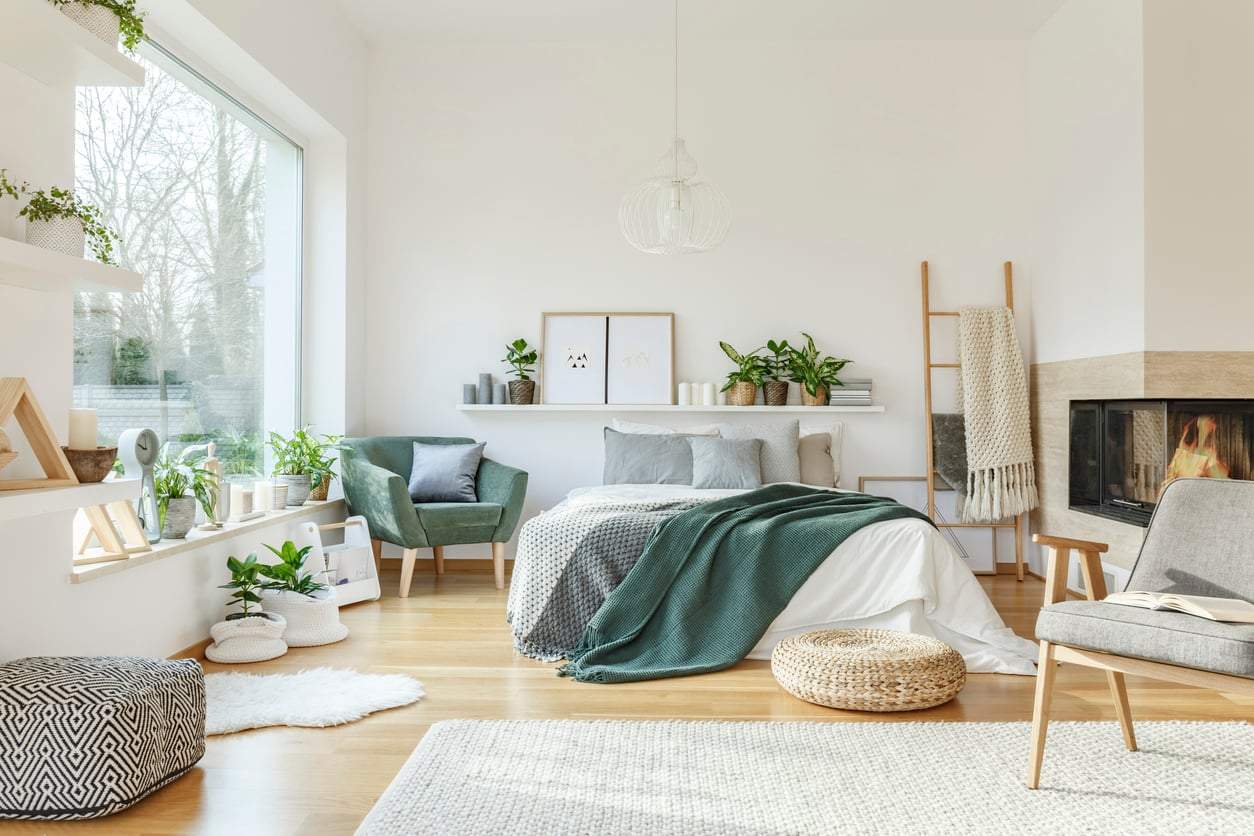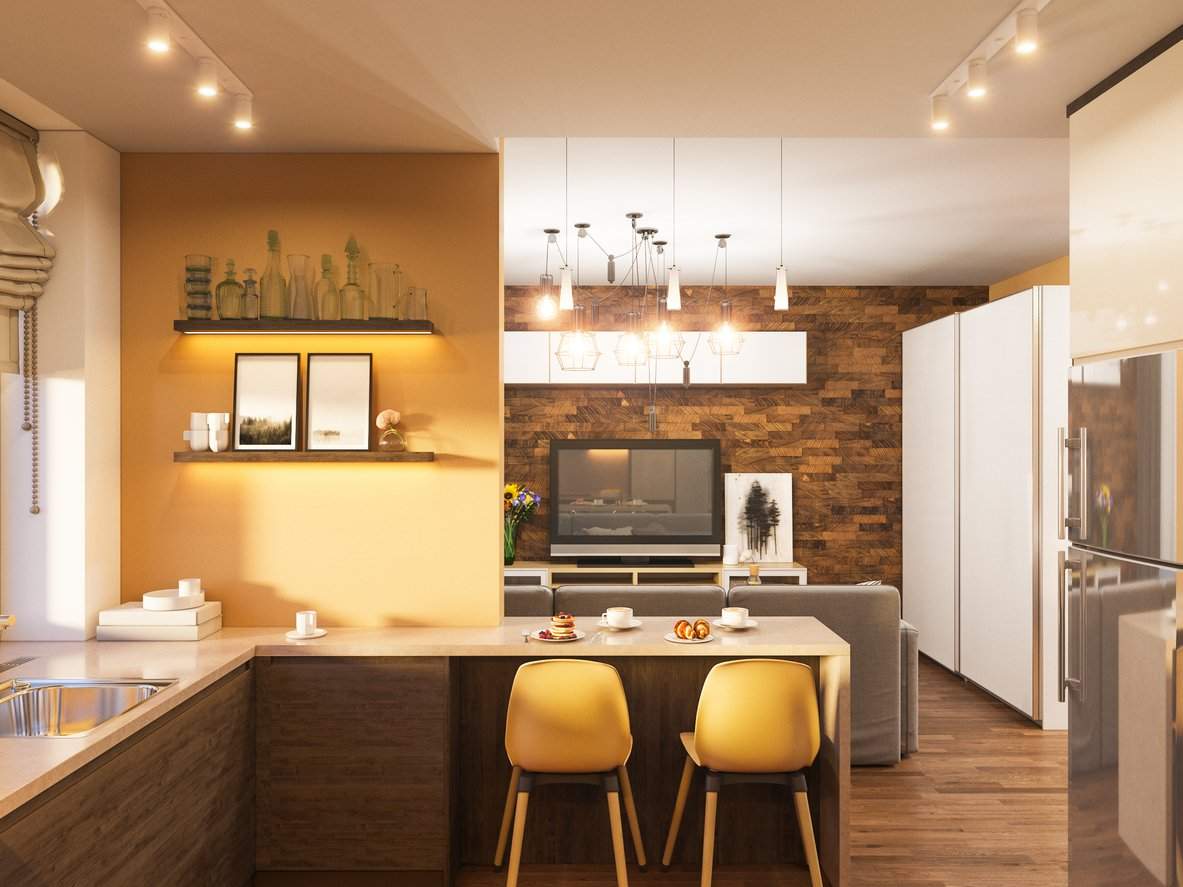
In interior design, we often see that what once faded away can come back into focus after a few decades. Below, we share seven bedroom styles that had slipped into the background but are now returning with a fresh twist.
Canopy Beds
Canopy beds have been popular across eras but were often seen as too formal or heavy by designers—thanks to their solid frames, dense curtains, and ornate details that dominated spaces. Now, light, sheer fabrics and airy structures are back: the canopy frame acts like an architectural feature, giving the room structure while keeping it open and spacious.
For a modern canopy bed, choose light, delicate fabrics like linen or voile, a minimalist frame, and avoid too many hanging textiles—this keeps the bed feeling open but still offers a cozy "ceiling" that creates a sense of shelter.
Floral Patterns
Bold floral prints on large surfaces and bright colors were once mostly out of style—but now they’re reappearing as part of the “grandmacore” aesthetic. The key to this refreshed trend: don’t overdo it. Use floral patterns sparingly on pillows, rugs, curtains, or a single floral wallpaper accent wall.
If you’re worried about looking too vintage, opt for smaller patterns and soft pastel shades!
Layered and Ruffled Bedding
This style was once seen as overly ornate and romantic, but it’s now loved again for its texture and charm. The secret: simpler cuts and fewer ruffles—use just one or two details to keep the bed from feeling overdone.
Floating Bed Frames
These frames bring a modern, spacious feel to the bedroom. Older beds with large legs and heavy frames often felt bulky. The new trend favors clean lines, slim supports, and an optical floating effect. Choose a bed frame that doesn’t fully touch the floor—leave a little space underneath, where you can even add lighting to enhance the airy vibe.
Built-In Nightstands
The built-in nightstand attached to the bed blends style and function: it creates a more unified look, saves space, and offers cleaner lines.
Mixed Wood Tones
For a long time, matching furniture pieces made from the same wood type were the norm to keep surfaces uniform. Today, mixing different wood tones feels more natural, interesting, and personal. The “collected over time” look is back: rooms styled this way feel like a curated collection gathered over years.
Pro tip: pick one dominant wood tone (like light oak or dark walnut) and mix other pieces around it—just keep the base tone consistent to avoid too much contrast.
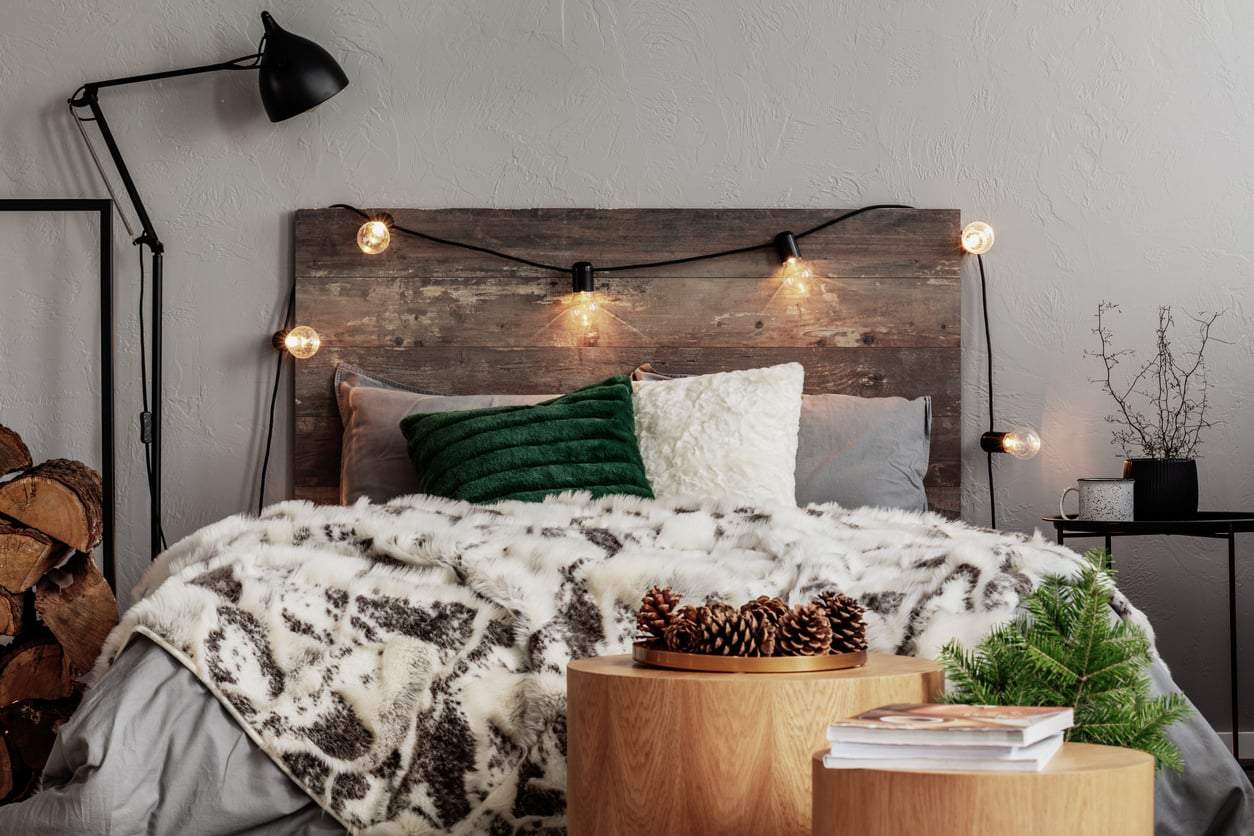
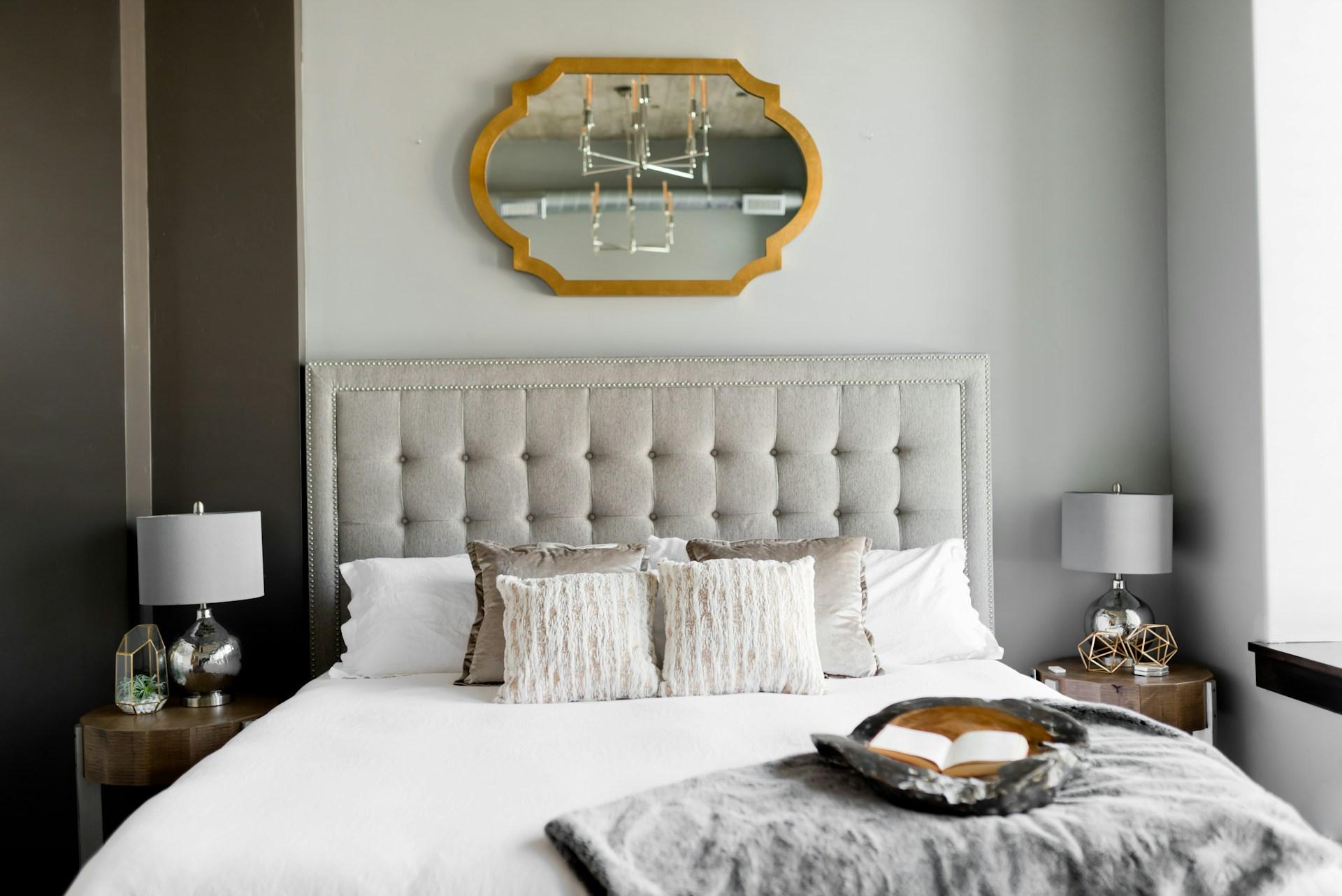
Statement Headboards
Headboards used to be purely functional, but now they’re back as focal points: bigger sizes, interesting materials like wood, rattan panels, or woven textures, and decorative shapes define modern headboards. They set the tone for bedding, accessories, and lighting.