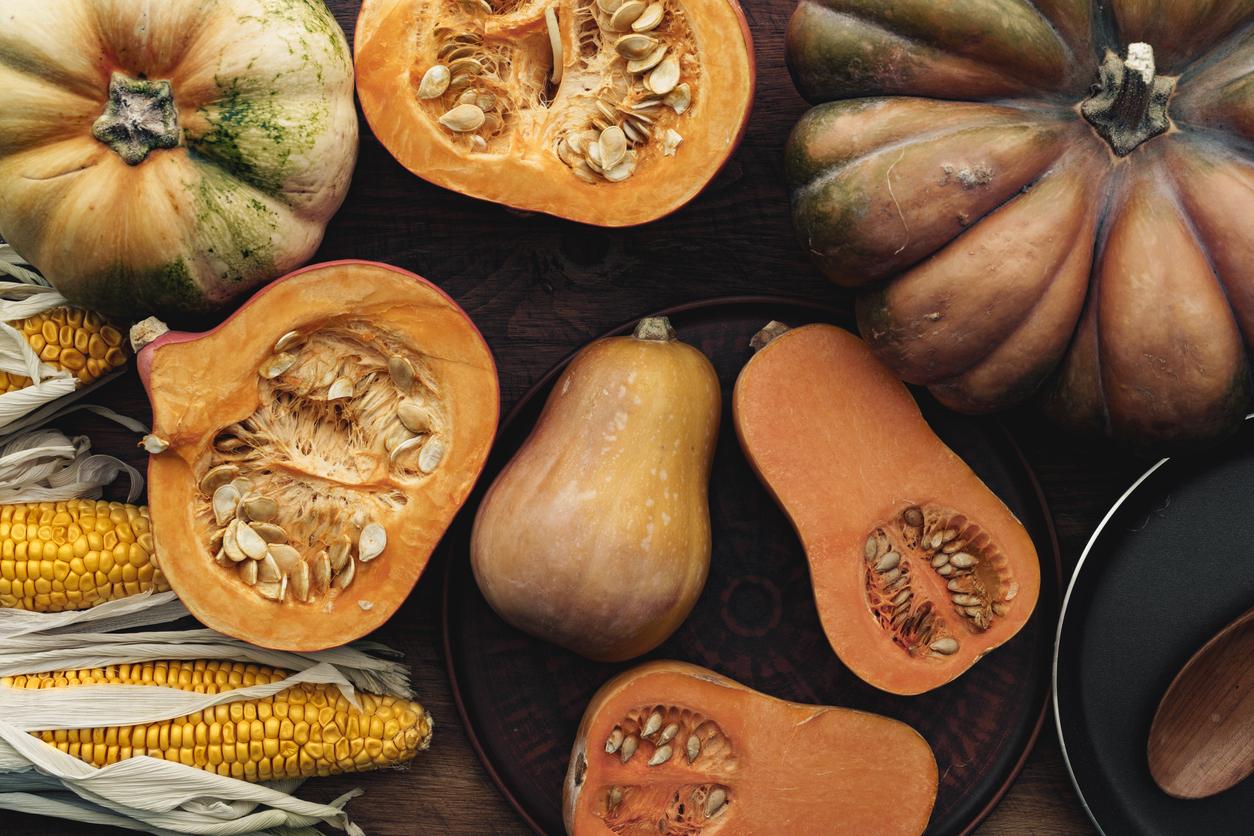
Butternut squash and muscat pumpkin belong to the same plant family, but some experts say one edges out the other in health benefits. Butternut squash is often praised for its low calorie count, while muscat pumpkin offers more fiber per serving. Both are loaded with plant compounds that support your health in different ways. So, which one deserves a regular spot on your plate? To find out, we explored the benefits of each, how they differ, and which to choose based on your health goals.
Both butternut squash and muscat pumpkin contain plant compounds that help balance your body and support your immune system. They’re rich in beta-carotene, with muscat pumpkin providing more per serving. They also pack fiber and potassium, key for digestion and fluid balance.
The Health Benefits of Butternut Squash
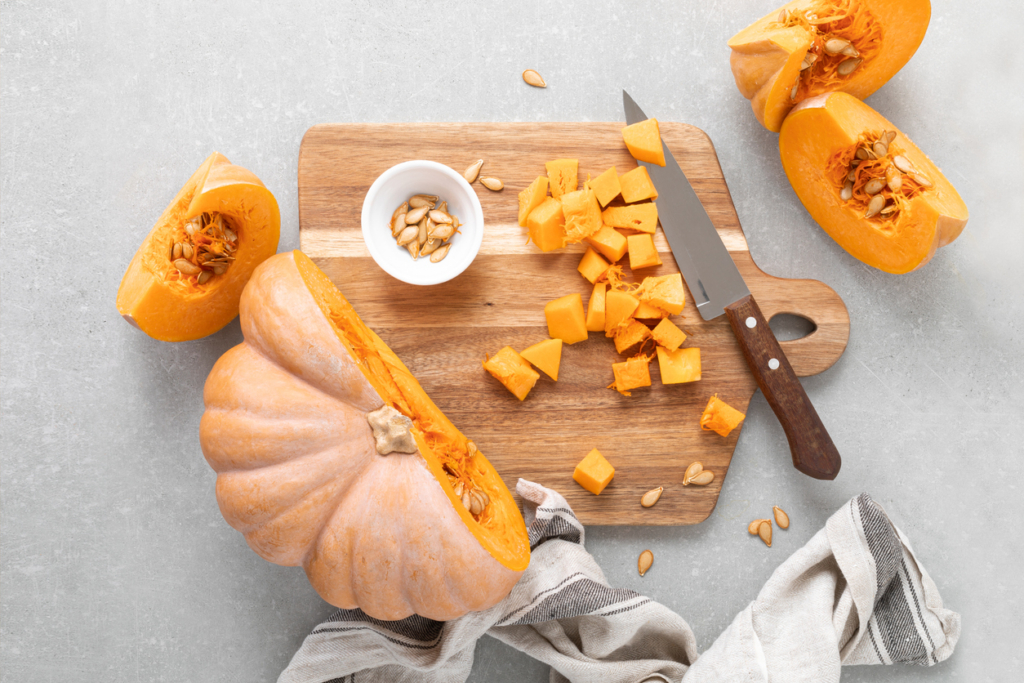
Butternut squash isn’t just tasty in pies and lattes—it’s loaded with nutrients that support your well-being. Its complex carbs help keep blood sugar steady, while its vitamins nourish your skin.
Key Features of Butternut Squash
- Type: A general name for several squash varieties, including muscat pumpkin.
- Shape: Mostly round or flattened, sometimes ribbed.
- Skin Color: Can be greenish, orange, or grayish with a thicker skin.
- Flesh: Orange, firmer and more fibrous, with a slightly earthy or bolder flavor.
- Uses: Classic roasted, great in soups and baked goods like pumpkin pie.
1. Supports Balanced Blood Sugar
Natural compounds in butternut squash encourage insulin production, helping keep blood sugar levels steady. Some studies suggest eating it may lower markers linked to diabetes risk.
2. Boosts Skin Health
Rich in beta-carotene, which your body converts to vitamin A, butternut squash helps protect your skin from sun damage and early aging. Beta-carotene is a powerful antioxidant that shields cells from inflammation and oxidation.
The Health Benefits of Muscat Pumpkin
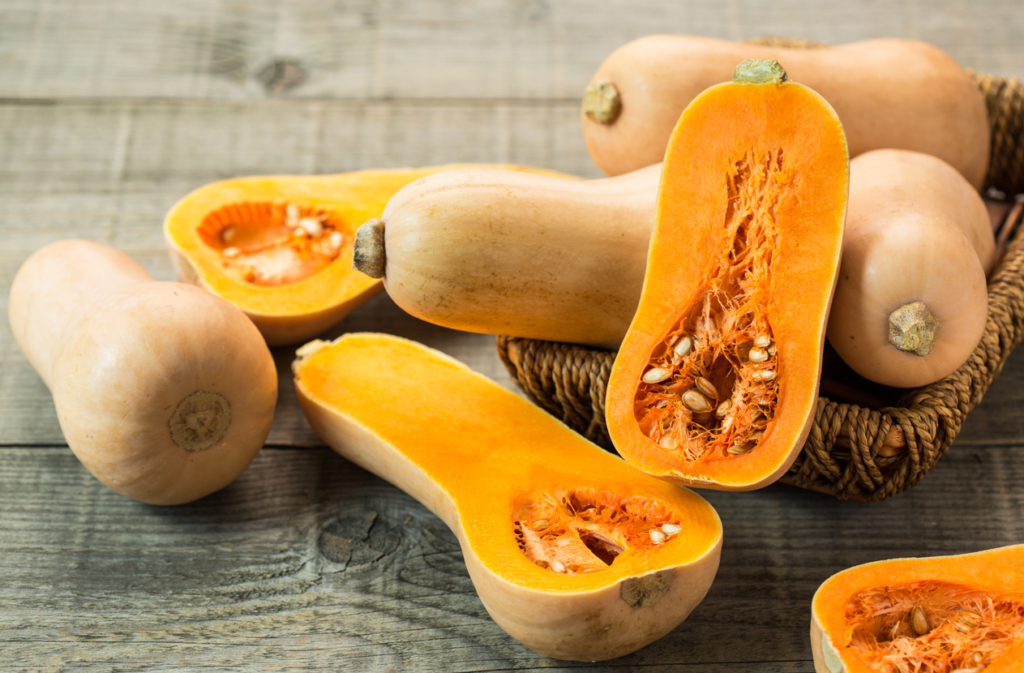
Muscat pumpkin is especially high in fiber and plant compounds that protect your body from harmful processes. Together, these boost your immune system, improve vision, and support digestion.
Key Features of Muscat Pumpkin
- Type: A type of butternut squash, part of the butternut family.
- Shape: Elongated, pear-shaped with thin skin.
- Skin Color: Light beige with a smooth surface.
- Flesh: Orange, very silky and sweet with a buttery flavor (hence the name butternut).
- Uses: Perfect for creamy soups, purees, roasting, and boiling; easy to peel with few seeds.
1. Strengthens Vision and Immunity
Muscat pumpkin contains more beta-carotene than butternut squash. One cup of raw muscat pumpkin provides nearly half your daily vitamin A needs. Since vitamin A is essential for eye health and a strong immune system, muscat pumpkin is a great choice to support both.
2. Supports Digestion
Muscat pumpkin has more than twice the fiber of butternut squash. Fiber promotes regular digestion, reduces hunger, and feeds your gut flora, which is vital for immune health.
Which One Is Healthier?
Both are excellent choices, but here’s how they compare:
| Nutrient | Muscat Pumpkin | Butternut Squash |
|---|---|---|
| Calories | 63 kcal | 30 kcal |
| Fiber | 2.8 g | 0.6 g |
| Potassium | 493 mg | 394 mg |
| Beta-Carotene | 5920 µg | 3600 µg |
As the table shows, both are rich in potassium, which helps regulate blood pressure, muscle function, and fluid balance. Research links higher potassium intake to better heart and vascular health. Overall, both veggies are super healthy, but muscat pumpkin pulls ahead slightly with more fiber, potassium, and beta-carotene—great for digestion, skin, and eyes. No need to pick just one! Including both in your diet gives you the best of both worlds: butternut squash is light and low-calorie, while muscat pumpkin is heartier and more nutrient-dense.