
If you’ve ever felt like no matter what you do, you just can’t "eat right," you’re not alone. One day carbs are the enemy, the next it’s fat, followed by another diet promising real results. In today’s world of social media, quick fixes, and picture-perfect bodies, it’s easy to believe that healthy living means self-denial.
The truth is much more comforting and freeing. Your body doesn’t need fixing—it needs understanding. Many “basic rules” about nutrition are actually myths that can do more harm than good over time. Her Agenda recently highlighted some of these myths that it’s time to finally let go of.
Myth #1: "Eat Less, Move More—and You’ll Lose Weight"
It sounds logical at first, but it oversimplifies reality. Our weight isn’t just about calorie math. Nurse and Everyday Wellness podcast host Cynthia Thurlow points out this mindset ignores key factors like hormone balance, stress, sleep quality, and gut health.
Long-term calorie restriction—especially for women over 40—can slow metabolism, raise stress hormone (cortisol) levels, and impair insulin sensitivity. The result? Fatigue, mood swings, and stubborn extra pounds.
Plus, stats show that poor nutrition and sedentary lifestyles carry serious health risks: from obesity and type 2 diabetes to heart disease.
Instead of eating less, aim to eat more mindfully and consider all the factors that influence your weight.

Myth #2: "Carbs Are Bad—Especially as We Age"
This might be one of the most stubborn nutrition legends. Many automatically link carbs to weight gain, inflammation, or blood sugar swings. Yet carbs are the body’s primary energy source—especially for the brain, muscles, and thyroid.
Dietitian Jennifer Scherer explains that the problem isn’t carbs themselves, but their quality, quantity, and timing. A plate of whole grains with veggies and protein affects your body very differently than a sugary pastry on its own.
Research suggests adult women need at least 130 grams of carbs daily to meet basic energy needs.
Guidelines also recommend that 45-65% of daily calories come from carbohydrates.
The key isn’t cutting carbs out, but choosing the right sources and forms for your meals.
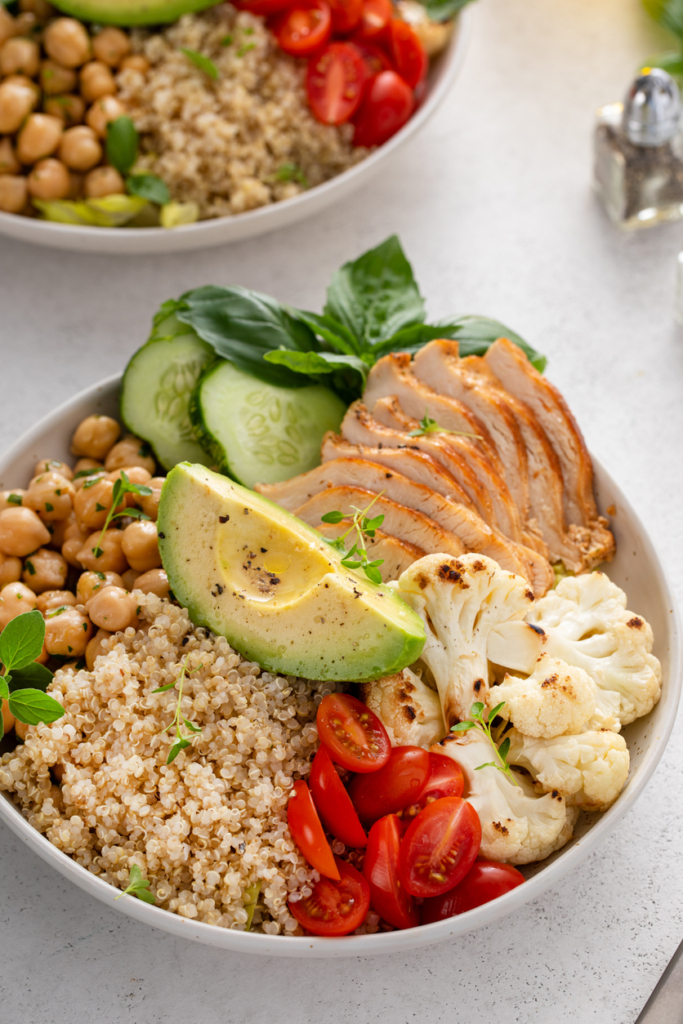
Myth #3: "Healthy Eating Is Boring and Tasteless"
Good news: that’s simply not true.
Healthy doesn’t mean flavorless, emphasizes nutrition expert Bridget Cassady.
With spices and creative ingredient swaps, even the simplest dishes can be exciting.
Colorful salads, nourishing bowls, aromatic soups—and yes, chocolate fits in too when you find balance. Healthy living isn’t a list of restrictions; it’s a flexible approach where moderation is key.
Allowing yourself an occasional “cheat day” can be part of long-term success.

Keep These in Mind
- Stable blood sugar matters more than calorie counting. It supports your energy, mood, and hormonal balance.
- Undereating can backfire. Your body adapts and switches to energy-saving mode.
- Protein is crucial at every age. After 40, you can lose up to 8% of muscle mass per decade if you’re not careful.
- Hydration is part of nutrition. Proper fluids support digestion, energy, and even your skin’s health and glow.
All in all, it’s not about restrictions but thoughtful choices tailored to your body’s needs that bring lasting, meaningful change. Your body isn’t the enemy—you just need to learn how to treat it well.