When we think about anxiety, stress, trauma, or feeling overwhelmed usually come to mind first. But research is revealing a more complex picture—certain nutrient deficiencies might also be part of the story.
A recent study shines a spotlight on a lesser-known but essential nutrient: choline.
What Is Choline and Why Does It Matter?
Choline is an essential nutrient involved in building cells, supporting nervous system function, and producing acetylcholine—a key neurotransmitter. It’s crucial for memory, mood, and regulating the nervous system. While our bodies make some choline, most of what we need comes from food.

What Did Researchers Find?
A meta-analysis published in Molecular Psychiatry reviewed several studies and found that people with anxiety disorders tend to have lower levels of choline-containing compounds in their brains, especially in the prefrontal cortex. This brain region helps with decision-making, emotion regulation, and managing stress.
The difference isn’t huge but consistent: some studies report about an 8% lower choline level in those struggling with anxiety.
This suggests that brain chemistry might work differently when anxiety is involved.
So, Does Choline Deficiency Cause Anxiety?
Short answer: we can’t say that for sure yet. Researchers emphasize that they’ve only found a link, not a cause-and-effect relationship. It’s also possible that chronic stress and ongoing anxiety use up choline faster in the brain, rather than choline shortage causing anxiety.
Anxiety is a complex condition influenced by biological, psychological, and environmental factors—so it can’t be pinned on a single nutrient.
Should You Eat More Choline?
Choline isn’t a magic cure for anxiety, and experts don’t recommend relying on it alone. But getting enough is definitely important for overall health and brain function. The recommended daily intake is about 425 mg for women and 550 mg for men.
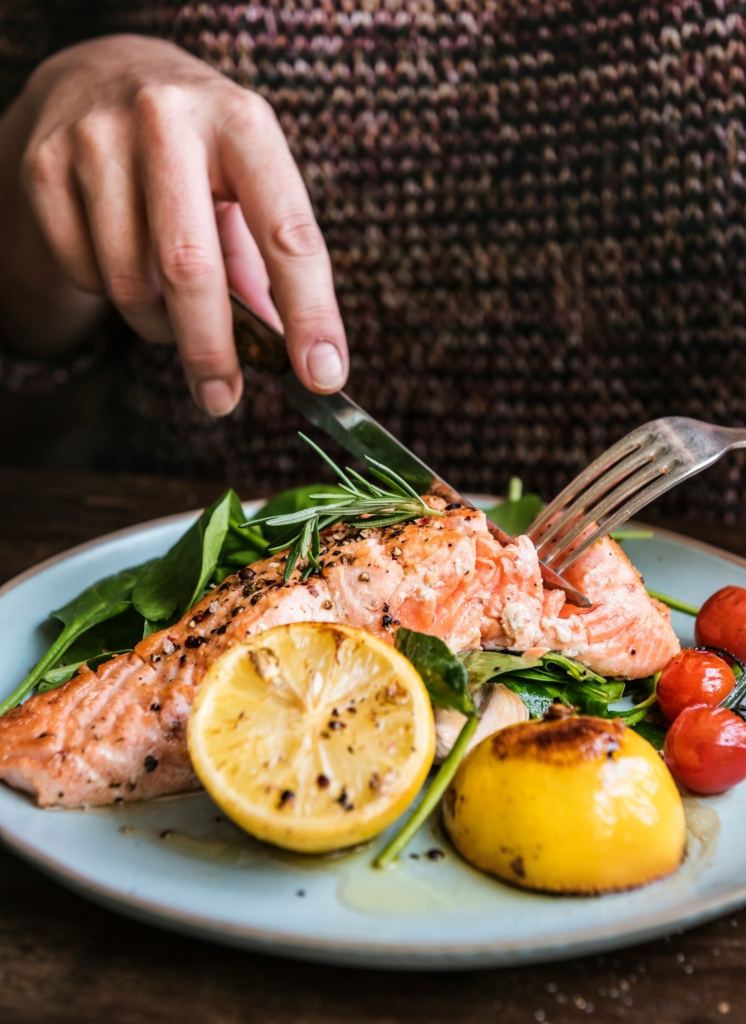
Foods rich in choline include:
- eggs (especially the yolks)
- meats and fish
- dairy products
- soy
- broccoli
- quinoa
A balanced diet can support your nervous system, even if it doesn’t completely eliminate anxiety.
What About Supplements?
Right now, the effects of choline supplements aren’t clear. While some suggest they might help restore brain balance, solid evidence is still lacking.
Plus, too much choline can have risks, so experts recommend talking to a doctor before starting any supplement.
This doesn’t mean one vitamin or nutrient will fix anxiety. It means our body and mind are linked: what we eat affects our brain.
While choline’s role needs more research, it’s clear that a nutrient-rich, balanced diet is a key part of supporting mental well-being.