The quality of your sleep shapes your daily life, yet many face challenges like obstructive sleep apnea (OSA), where your airways temporarily block during sleep. This can cause fatigue and, over time, lead to serious health risks.
Good news? Lifestyle changes—especially mindful eating—can noticeably improve symptoms. Spring makes it easy to access fresh, nutrient-rich ingredients that not only taste great but also support your body.
Here are 7 food groups that Health highlights as beneficial not just for your health, but also for better sleep.
1. Leafy Greens
Fresh leafy greens like spinach, kale, and Swiss chard are nutrient powerhouses. Packed with antioxidants, they help reduce inflammation—a key factor since sleep apnea can make your airways more sensitive.
The magnesium they contain promotes muscle relaxation and calmer sleep. Light and fiber-rich, they also support weight control—crucial for easing symptoms.
Tip: Whip up a fresh spring salad or a green smoothie with them.
2. Fatty Fish
Salmon, mackerel, and sardines are not only tasty but also rich in anti-inflammatory omega-3 fatty acids. They can help improve airway health and reduce nighttime awakenings.
Since sleep apnea often strains the heart, regular fish intake supports cardiovascular health too.
Tip: Include fatty fish in your meals 1–2 times a week.
3. Whole Grains
Oats, brown rice, and quinoa offer slow-digesting carbs and plenty of fiber. They help stabilize blood sugar levels, which positively impacts sleep quality.
They also keep you feeling full longer, supporting a healthy weight—one of the most important factors in managing apnea.
4. Nuts and Seeds
Almonds, walnuts, and pistachios are true “sleep-friendly” snacks. They contain magnesium, protein, fiber, and even melatonin—a hormone that regulates your sleep-wake cycle.
Regularly enjoying them can help reduce inflammation and promote restful sleep.
Tip: A handful of raw nuts makes a perfect evening snack.
5. Berries
Strawberries, blueberries, raspberries, and blackberries are not only delicious but also packed with powerful antioxidants. These help neutralize free radicals, which can be elevated in sleep apnea.
Their fiber content also supports feelings of fullness.
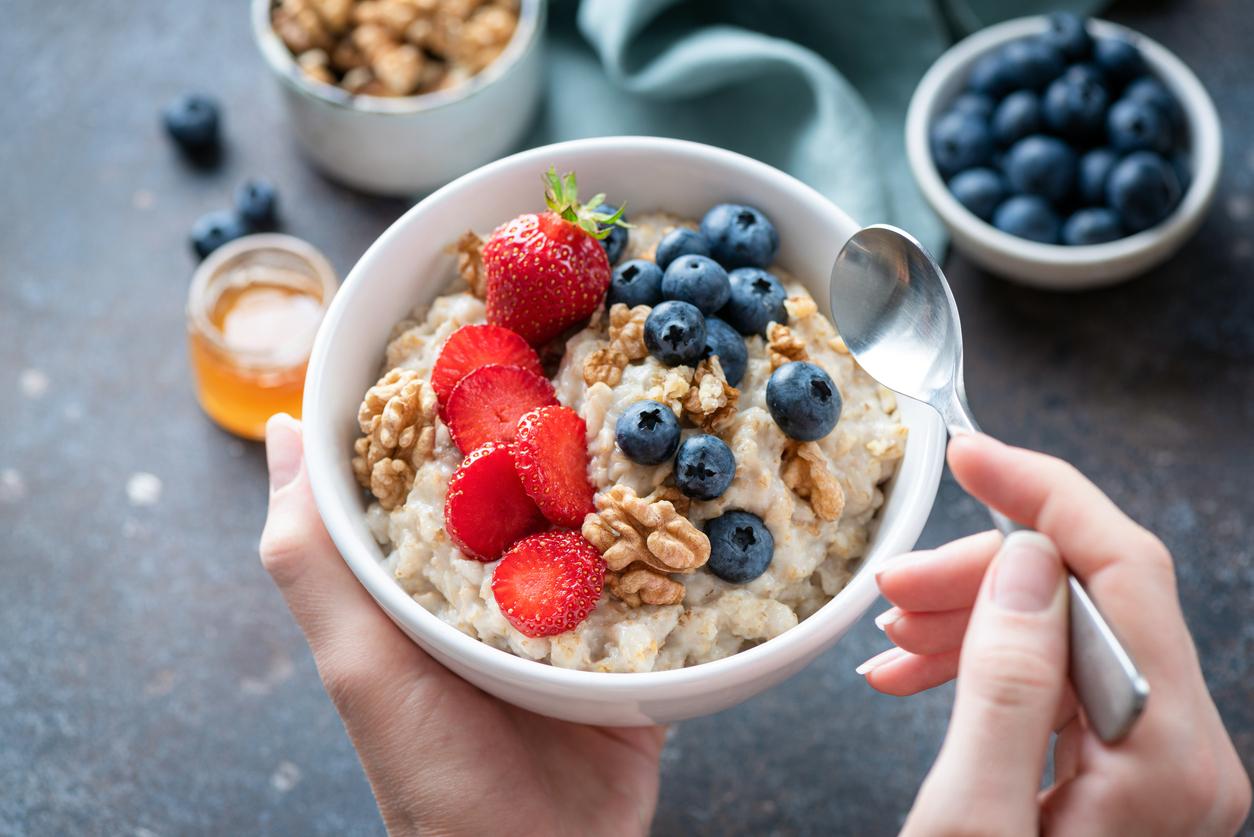
Tip: Mix them into your morning oatmeal or yogurt for a tasty boost.
6. Lean Proteins
Chicken, turkey, eggs, and tofu contain tryptophan, an amino acid that helps produce melatonin. This supports falling asleep and deep sleep.
Getting enough protein also supports metabolism balance and heart health—both important for those with apnea.
7. Low-Fat Dairy
Regular consumption of plain yogurt, cottage cheese, or low-fat milk is linked to better sleep quality. Some studies suggest that two servings a day may help ease symptoms.
They may also have anti-inflammatory effects, though more research is needed.
What to Avoid for Better Sleep
It’s not just what you eat, but also what you should cut back on:
- refined carbs (classic pastries, sugary foods),
- alcohol,
- fatty, heavy meals,
- caffeine after early afternoon,
- large, late-night dinners.
Spring Renewal Inside and Out
Spring is the perfect time to start fresh habits. Fresh, seasonal ingredients can boost your energy and improve your sleep quality.
While managing sleep apnea often needs medical support, a mindful, nourishing diet can make breathing easier and help you rest better.