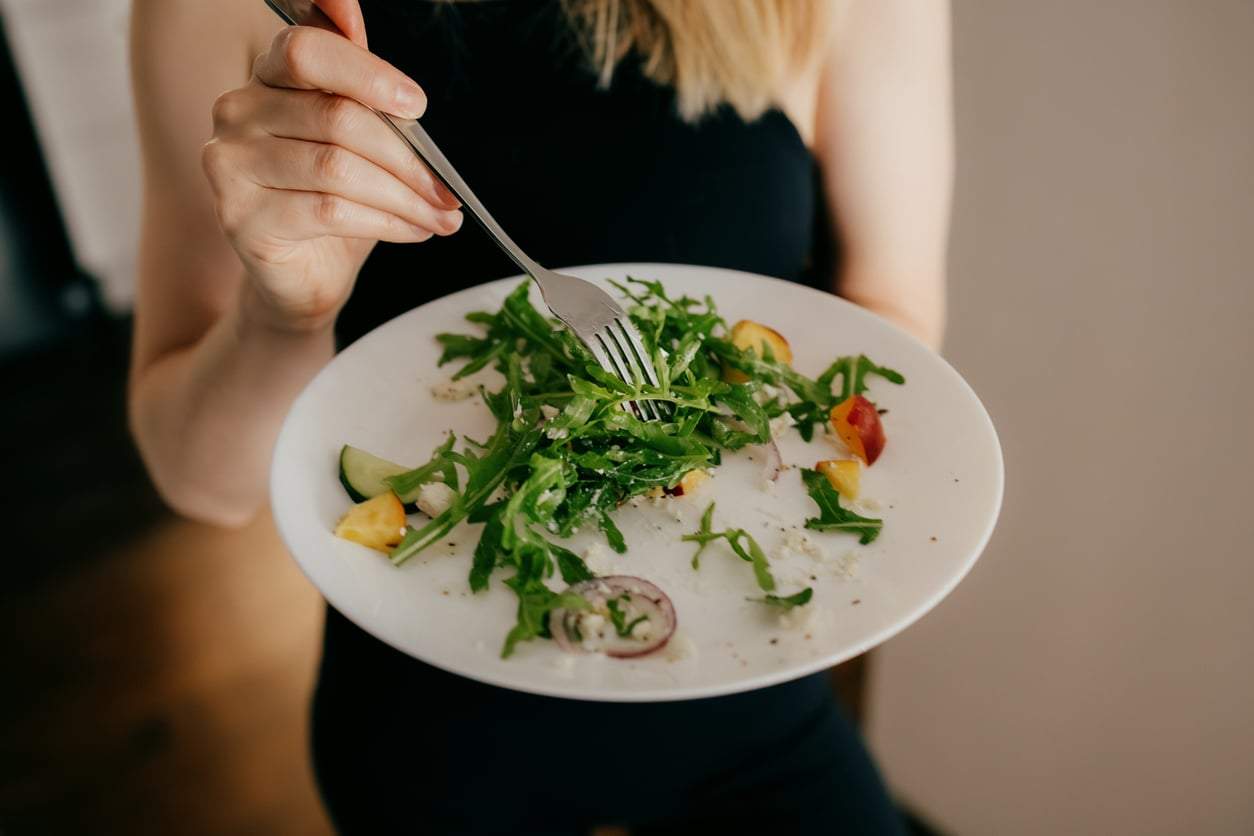
The holiday season brings a special mix of warmth and familiar tastes, yet meals often come with a side of guilt.
By January, everything suddenly feels "too much," and strict rules, restrictions, and self-denial take over—until everyone gets tired of it soon enough. Here’s the good news: you can do it differently this time! Your health grows from tiny, steady choices that stay with you all year. To prove it, the holiday table actually hides many traditional ingredients that aren’t foes but true allies of your well-being.
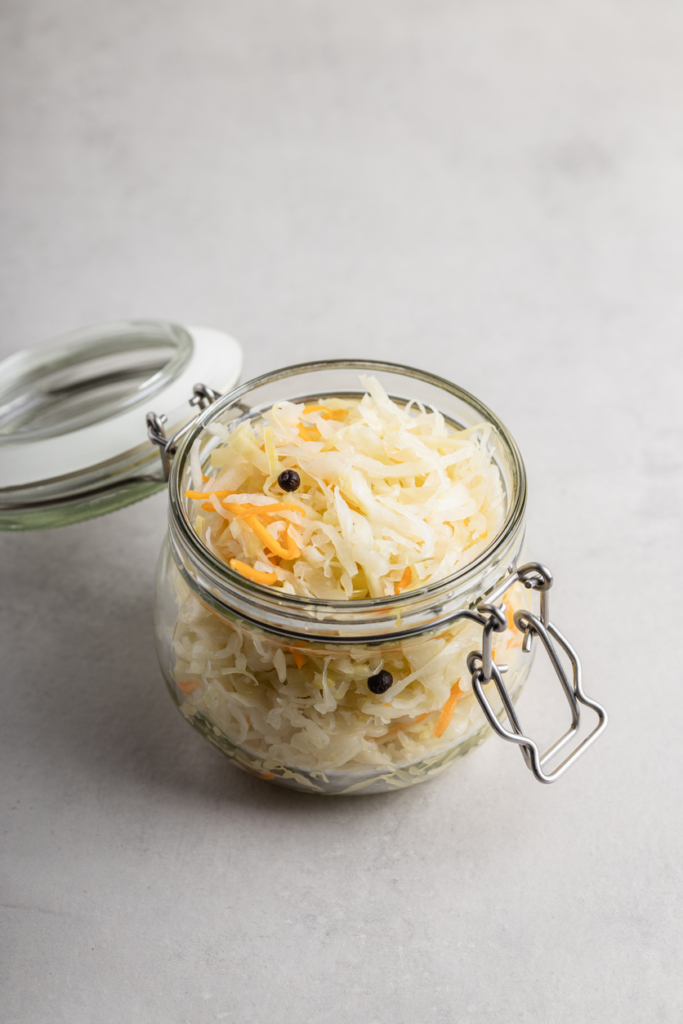
Fermented Cabbage
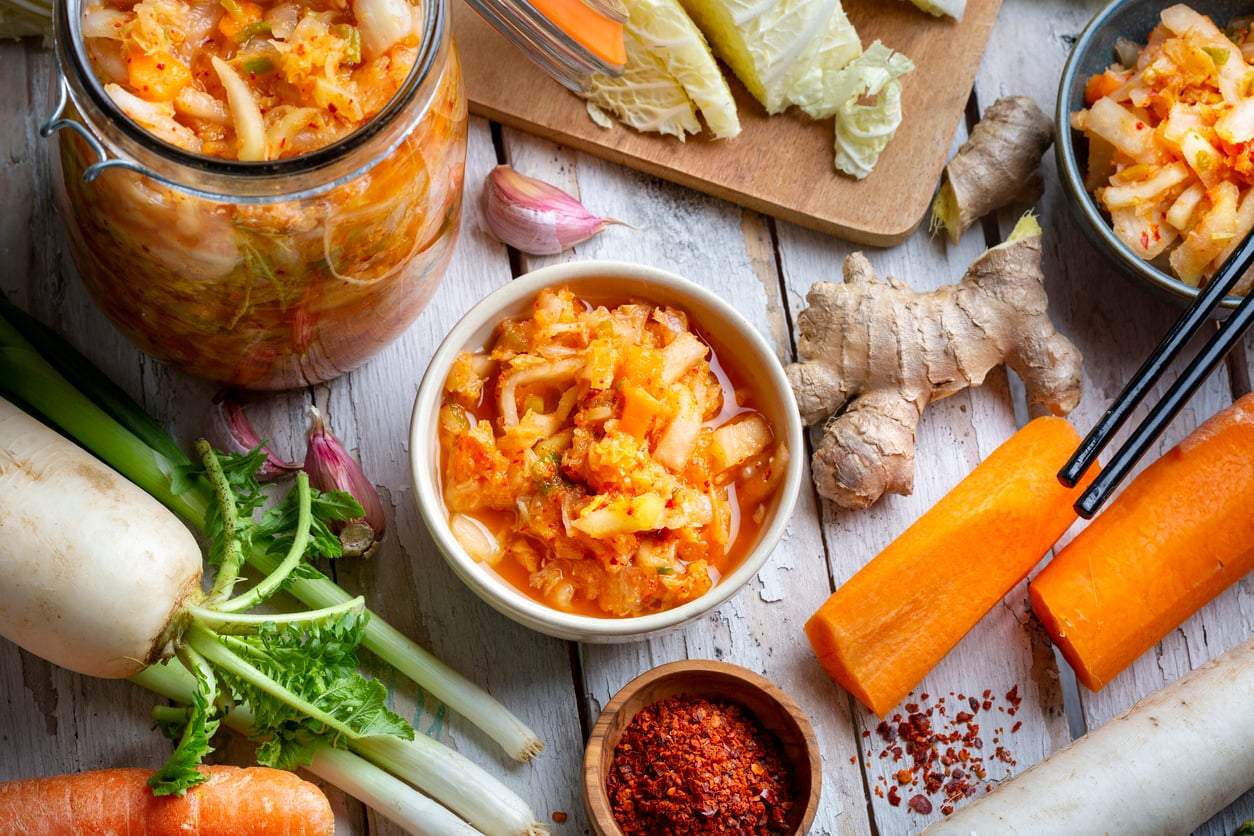
During Christmas and New Year, many ingredients get unfairly sidelined: sauerkraut, for example, often just plays a supporting role next to heavy dishes, like a mandatory garnish on the plate. But fermented cabbage is a star on its own: rich in fiber, it supports digestion and, thanks to live cultures, boosts your gut and immune health. After the holidays, it’s worth giving it a leading role—add it to lighter meals, salads, and dishes with less fat.
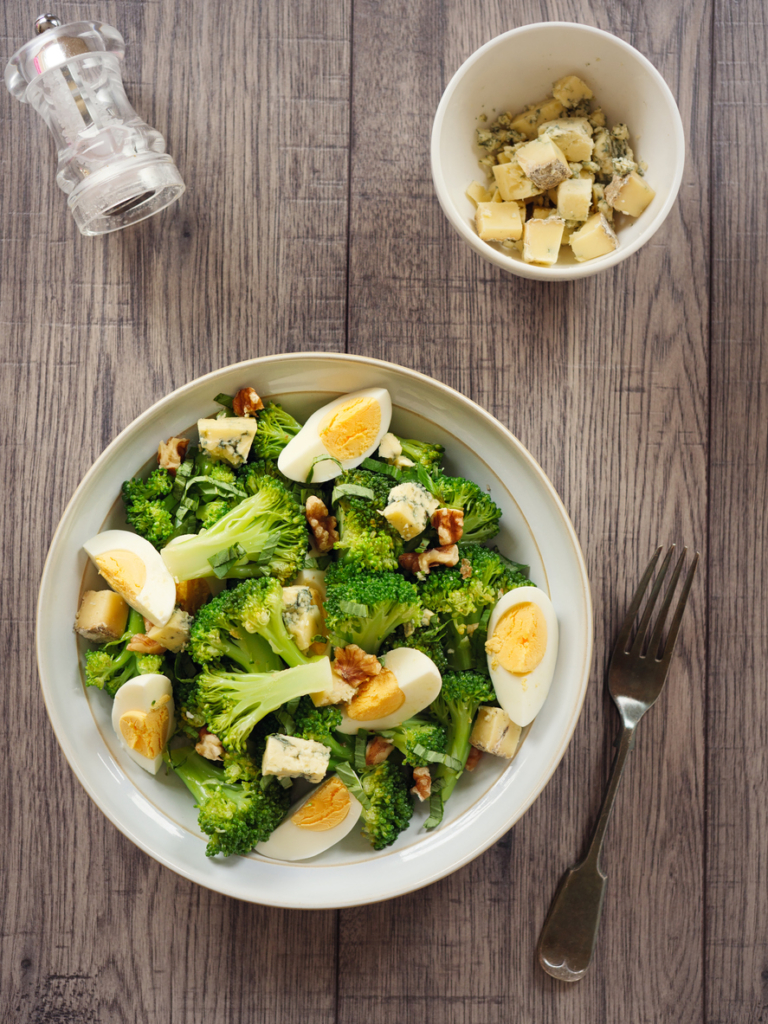
More Cruciferous Veggies
Cruciferous veggies (especially the cabbages we mentioned) often show up overcooked or slow-roasted during the holidays—but hey, at least they make it to the plate. The rest of the year, we tend to forget them. Yet broccoli, cauliflower, and curly kale are available year-round, versatile, and often budget-friendly. Regularly eating these veggies supports your body’s natural balance and they’re among the best cancer-preventing vegetables. No need to learn new recipes—just add them more often as a side to soups, stews, or casseroles.
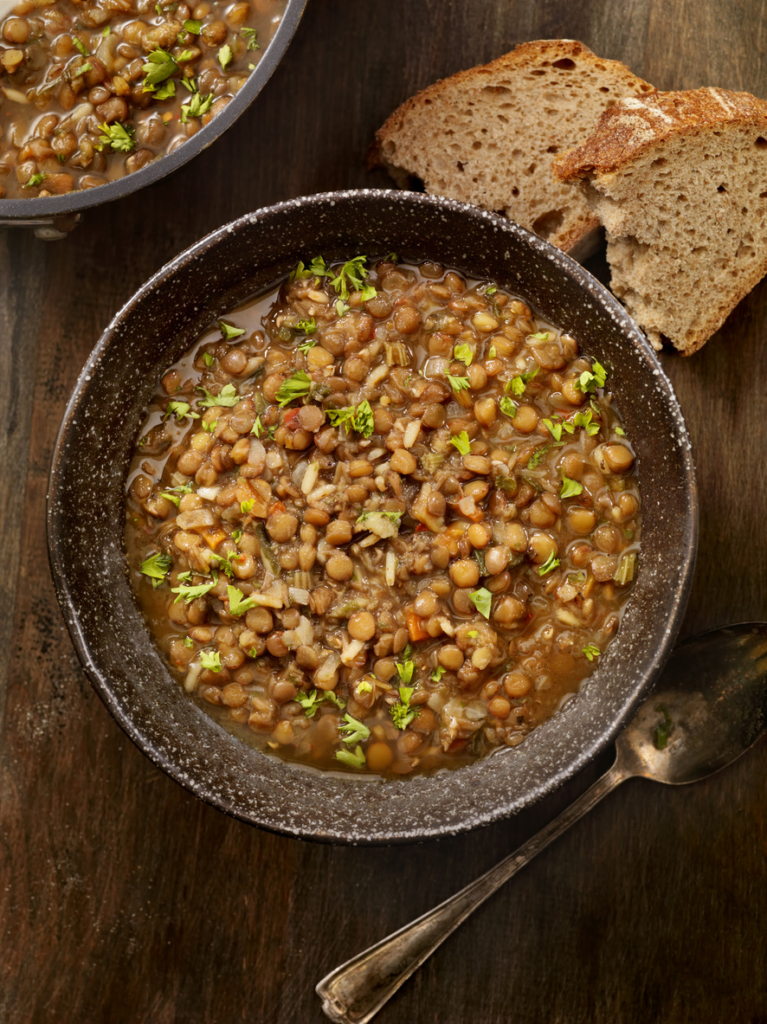
Legumes: From Holiday Table to Everyday Meals
Lentils are almost mandatory at New Year’s as a lucky dish, then fade into the background for months. But these staples are perfect for turning holiday symbols into everyday heroes! Legumes are affordable, packed with fiber and protein, and keep you full, helping to stabilize your energy throughout the day. Chickpeas, beans, peas, and lentils fit easily into soups, stews, salads, or ragouts—and they cook quickly, making them ideal for busy weekdays.
The Best Snacks
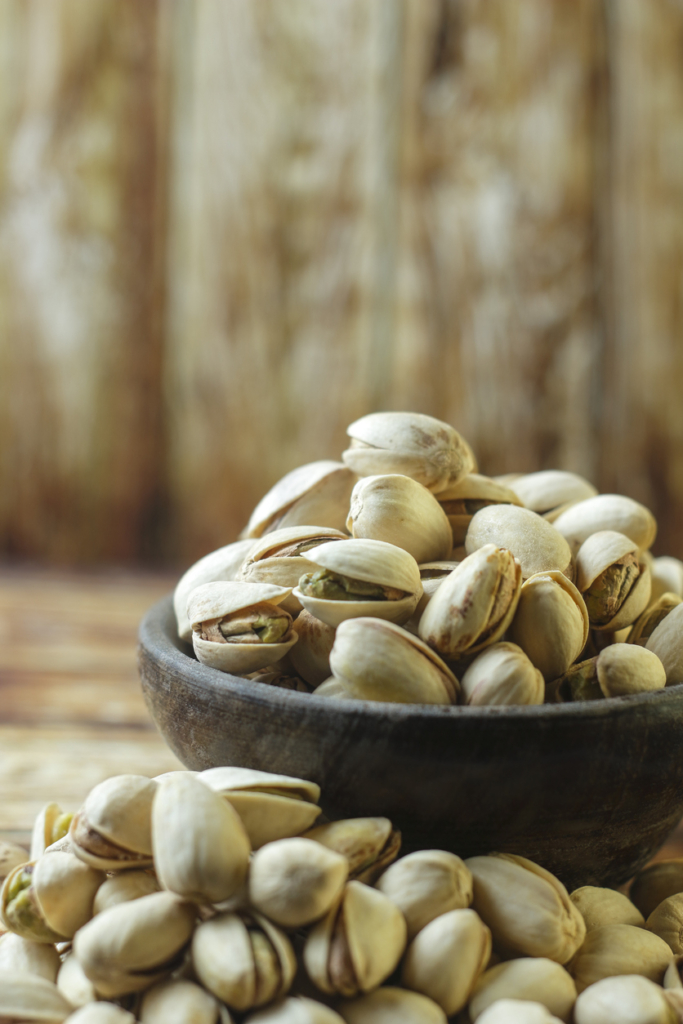
Nuts are classic Christmas ingredients—found in cookies, rolls, and decorations—but seem to vanish from menus come January. Yet a handful of walnuts, almonds, or pistachios can serve you well all year. They help keep your meals balanced while providing valuable fats and antioxidants. Some studies even link regular nut consumption to longer life. Choose natural versions, avoid oily or heavily salted ones, and enjoy in moderation—about half a handful is plenty.
Citrus Fruits—Not Just for Cold Season
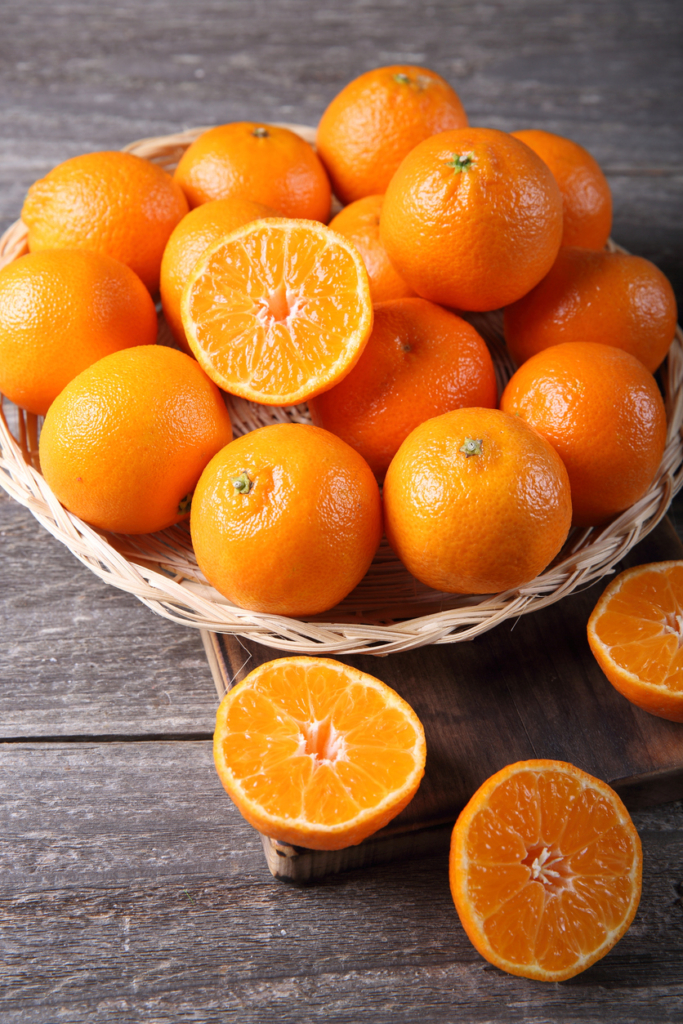
Oranges, mandarins, and grapefruits shine in winter when everyone’s boosting immunity or decorating holiday tables. It’s natural to reach for these fruits then, but as spring arrives, they often drop off shopping lists. Yet citrus fruits offer so much more than just cold-season benefits. Their refreshing taste, high vitamin content, and easy versatility earn them a spot in your diet all year—as a dessert or a light finish to any meal.