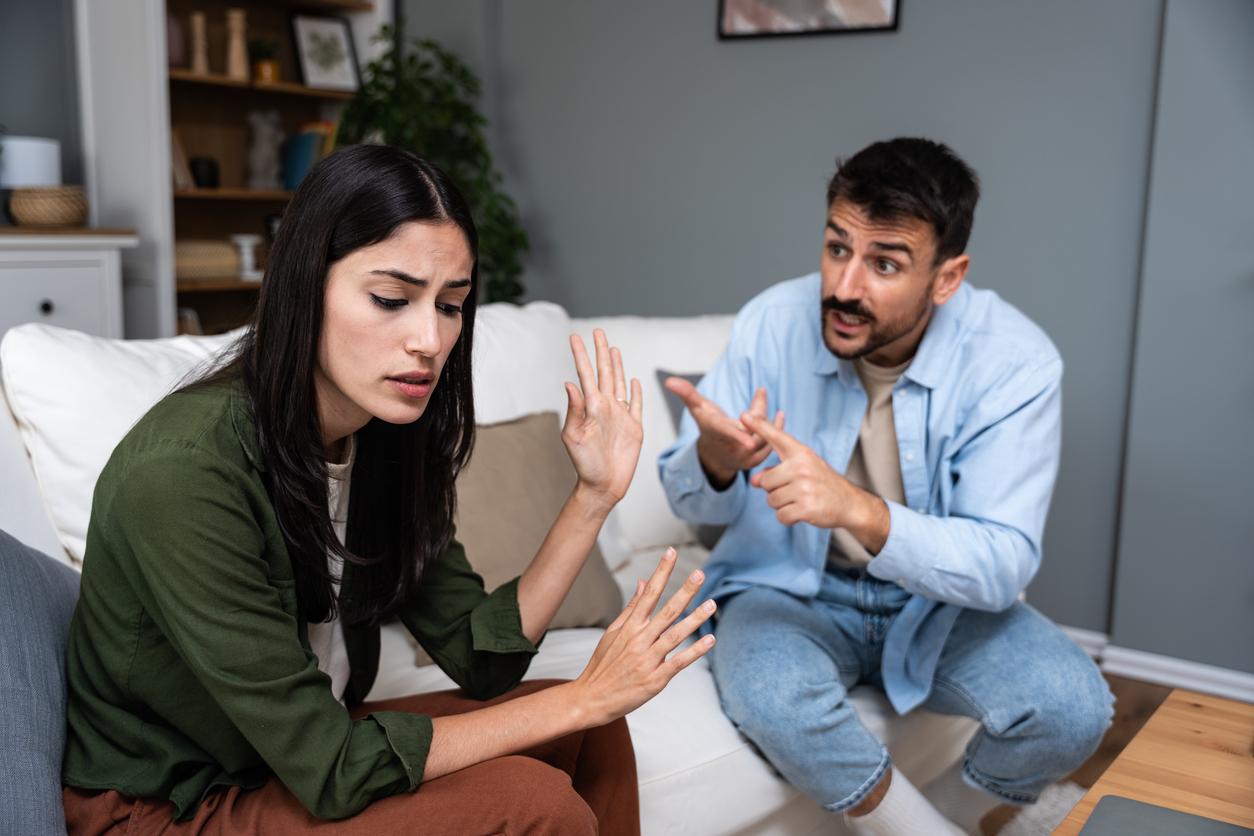
Maybe they don’t throw plates or yell at you, and might even say "it’s nothing"… yet you still feel something’s off. Sound familiar? You could be dealing with passive-aggressive behavior.
Passive-aggression is sneaky. It doesn’t come with loud alarms but feels like a slow, subtle drip of negativity on your spirit. For example:
- “You’re not mad, right?” – “Of course not, why would I be?” – they say, while slamming cabinet doors hard enough to shake the walls.
- Or when they “forget” about a plan you made weeks ago, then casually say, “Oh, sorry, didn’t mean to…”
- And the classic: “If that’s good enough for you, fine…” – delivered with a sharp glare and zero enthusiasm.
This kind of behavior isn’t honest conflict—it’s a quiet form of revenge or hurt that’s never openly said but felt in every move. If you often feel confused, guilty, or like “I must have messed up but have no clue how,” you might be caught in a passive-aggressive cycle.
The worst part? You might start doubting yourself. Nothing concrete happened, yet the atmosphere stays tense and uncomfortable.
It helps to take a step back and ask: is this really about me, or am I just a bystander in someone else’s game?
When passive-aggressive patterns show up in relationships, it’s often hard to recognize what’s really going on or how to respond. These subtle digs can cause lasting damage to your connection. So what can you do if your partner acts passive-aggressively? Let’s explore expert advice from renowned psychologists to guide you toward solutions.
Spotting Passive-Aggressive Behavior
Dr. Susan Forward, a respected psychologist, says the first step is recognizing passive-aggressive signs. These include sarcasm, withholding, or not speaking up—all hinting that something’s wrong, but the person won’t face it openly.
Dr. Forward advises paying attention to your partner’s tone and habits. If you often sense hidden motives or manipulation, it’s worth considering if you’re dealing with passive-aggressive behavior.
Communicate Openly and With Empathy
Marshall Rosenberg, an expert in handling tough situations, highlights that the key to managing passive-aggression is open, empathetic communication.
When you notice this behavior, avoid the trap of retaliation. Instead, hold up a mirror—share how the situation makes you feel.
A calm, honest conversation helps your partner understand how their actions affect you and your view of the relationship. Empathy and understanding make conflicts easier to resolve and keep the focus on what really matters.
Set Clear Boundaries
Psychologist Harriet Lerner emphasizes that setting boundaries is essential for a balanced emotional environment. When facing passive-aggressive behavior, it’s important to define what you will and won’t accept.
This protects not only your relationship but also your emotional well-being. Boundaries help maintain your autonomy and prevent long-term harm from such behavior.
Seek Professional Support
Renowned psychologist Nedra Glover Tawwab points out that if passive-aggressive behavior is widespread and persistent, and your own efforts aren’t enough, it’s wise to consult a professional.
Many hesitate to try therapy, but psychologists offer objective perspectives and help heal old wounds.
Professional support can help not only with current issues but also in avoiding similar problems in the future by teaching new coping strategies.
Prioritize Your Own Well-Being
Dr. Gabor Maté, a neuropsychologist, reminds us that while it’s important to address the other person’s behavior, we must never forget our own well-being. Maintaining a healthy relationship means investing time and energy in caring for your own emotional health.
Allow yourself some distance when needed—whether through meditation, exercise, or escaping into books. The key is not letting your partner’s issues take over your world.