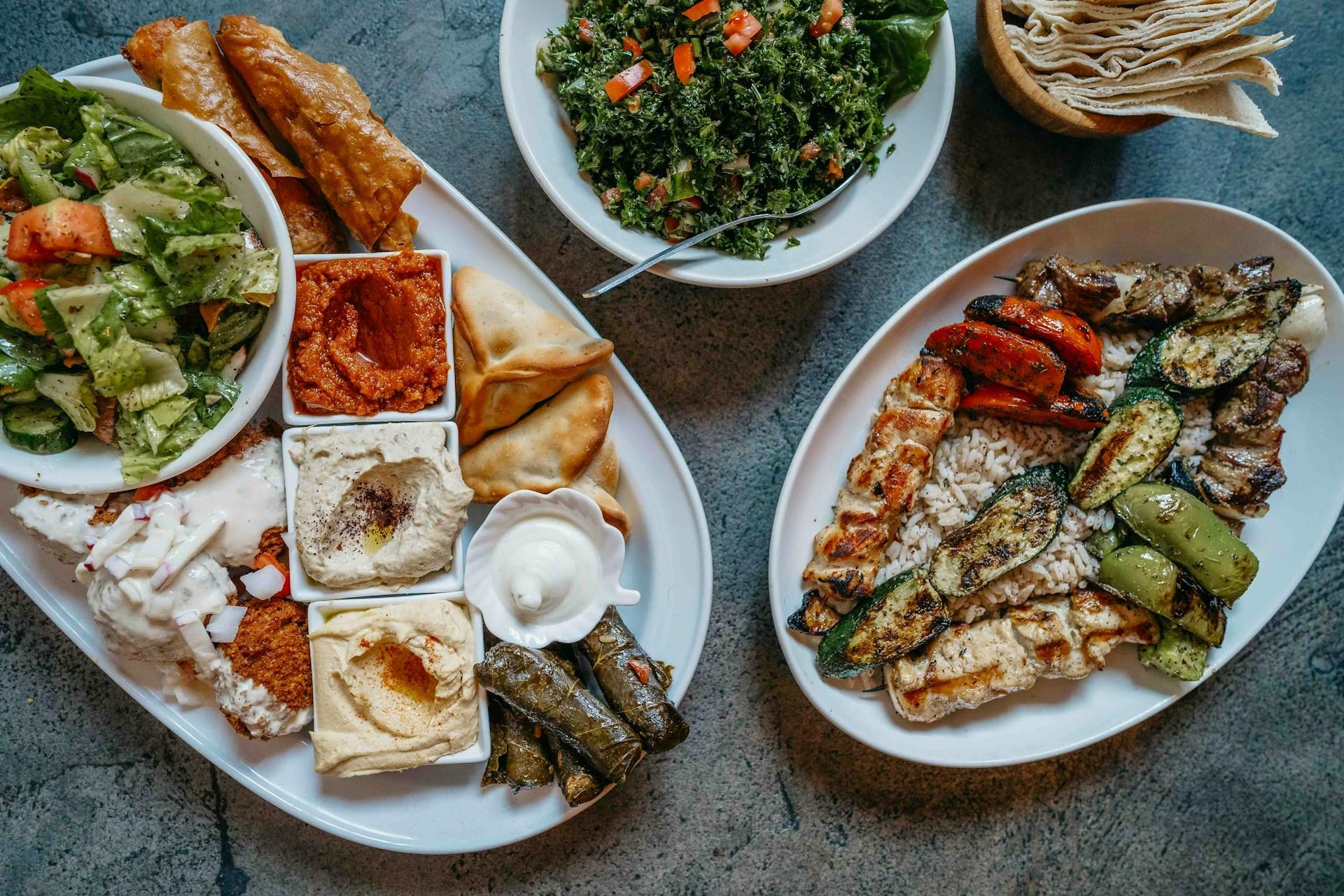
You don’t have to dive into extreme diets or strict restrictions to take care of your health — just choosing a more enjoyable yet mindful way of eating over time can make a big difference.
It’s been nearly 10 years since I completely changed my eating habits, and the struggles, doubts, and misconceptions I faced back then are starting to fade into the background. For a long time, I thought it would be boring and one-sided, which made me hesitant to change. But then I discovered how exciting and enjoyable it can be when you start seeing meals differently.
Mediterranean Diet, But with a Twist
A fresh 2024 study confirms there’s nothing new under the sun: small tweaks to the Mediterranean lifestyle can cut your chance of developing type 2 diabetes by nearly a third.
The Harvard T.H. Chan School of Public Health teamed up with 23 Spanish universities to track the lifestyles of over 4,700 people for six years in the study titled Comparison of an Energy-Reduced Mediterranean Diet and Physical Activity Versus an Ad Libitum Mediterranean Diet in the Prevention of Type 2 Diabetes.
Participants were aged 55–75, overweight or obese, and living with metabolic syndrome — so they started with a higher risk.
The researchers split them into two groups: both followed a Mediterranean diet, but only one group reduced their daily calorie intake by about 600 calories, exercised regularly (think brisk walking, light strength and balance exercises), and received professional support for weight loss.
The Results Speak for Themselves:
The group that embraced the full lifestyle change had a 31% lower risk of developing type 2 diabetes compared to those who ate Mediterranean but didn’t focus much on calories or exercise. Plus, participants lost over 3 kilograms (about 7 pounds) on average, and their waistlines shrank by several centimeters. This isn’t just about looks — belly fat is well known to increase the risk of diabetes and heart disease.
So, What Exactly Is the Mediterranean Diet?
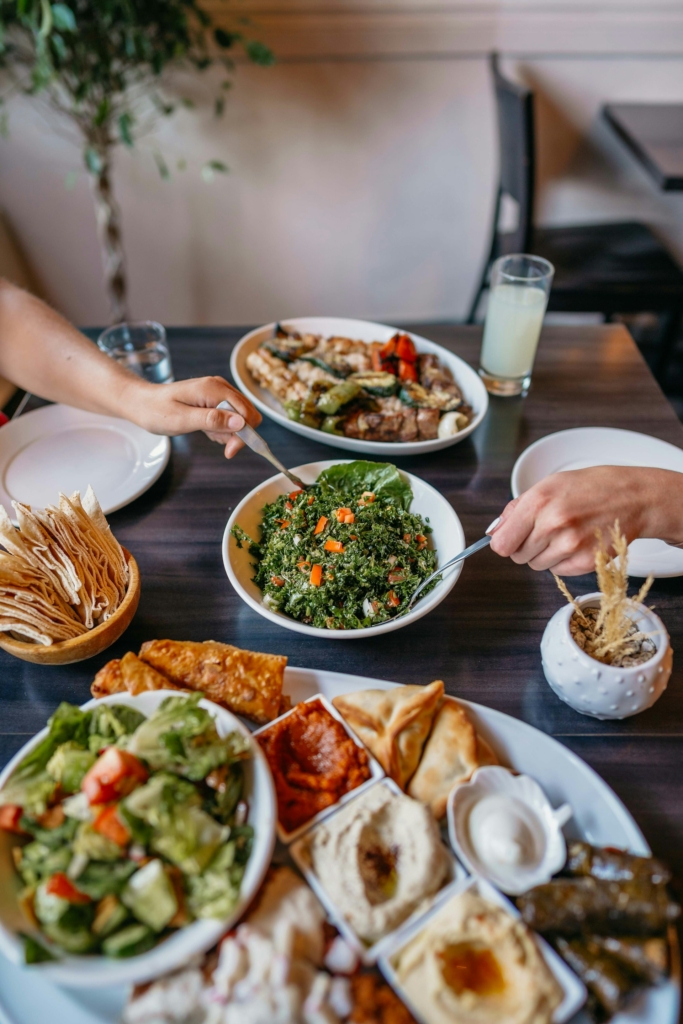
It’s not about complicated rules, but a joyful lifestyle. Fresh, seasonal veggies and fruits, whole grains, olive oil and other plant-based fats, fish, and legumes form its foundation.
Red meat is enjoyed only occasionally, and dairy and eggs are eaten in moderation — making this healthy Mediterranean style quite similar to a whole-food, plant-forward diet.
This approach not only helps keep blood sugar steady but also improves insulin sensitivity and lowers inflammation in the body.
How to Bring It Into Your Life
If you want to take steps toward prevention, there’s no need to overhaul everything overnight. Even swapping meat for legumes or fish a few days a week, choosing whole grain bread over white, or cooking with olive oil instead of butter can make a difference. Try to avoid processed foods as much as possible!
Don’t stress about exercise — sustainable movement doesn’t mean intense gym sessions (unless that’s your thing!). A brisk 30-minute walk, some light weight training, swimming, or even a fun dance class can boost your progress.
This study reminds us that every small choice counts. An extra serving of salad at lunch, green beans instead of ribs, or an afternoon hike can all add up to a longer, healthier life.