Your freezer is often the go-to spot for storing food longer, especially when you want to save it for later. But not all foods freeze well. Some lose their texture, flavor, and even nutrients when frozen. Curious why? Let’s dive into which foods deserve extra care!
Milk and Dairy Products
Freezing milk might seem like a smart way to save money when you buy in bulk. But in reality, milk and other dairy products like yogurt and cream often suffer in quality after freezing. Milk can crystallize and become grainy once thawed, while yogurt and cream may lose their creamy texture, making them harder to mix. Butter and plain cheeses, however, handle freezing better thanks to their higher fat content, keeping their texture more intact.
Fresh Vegetables with High Water Content
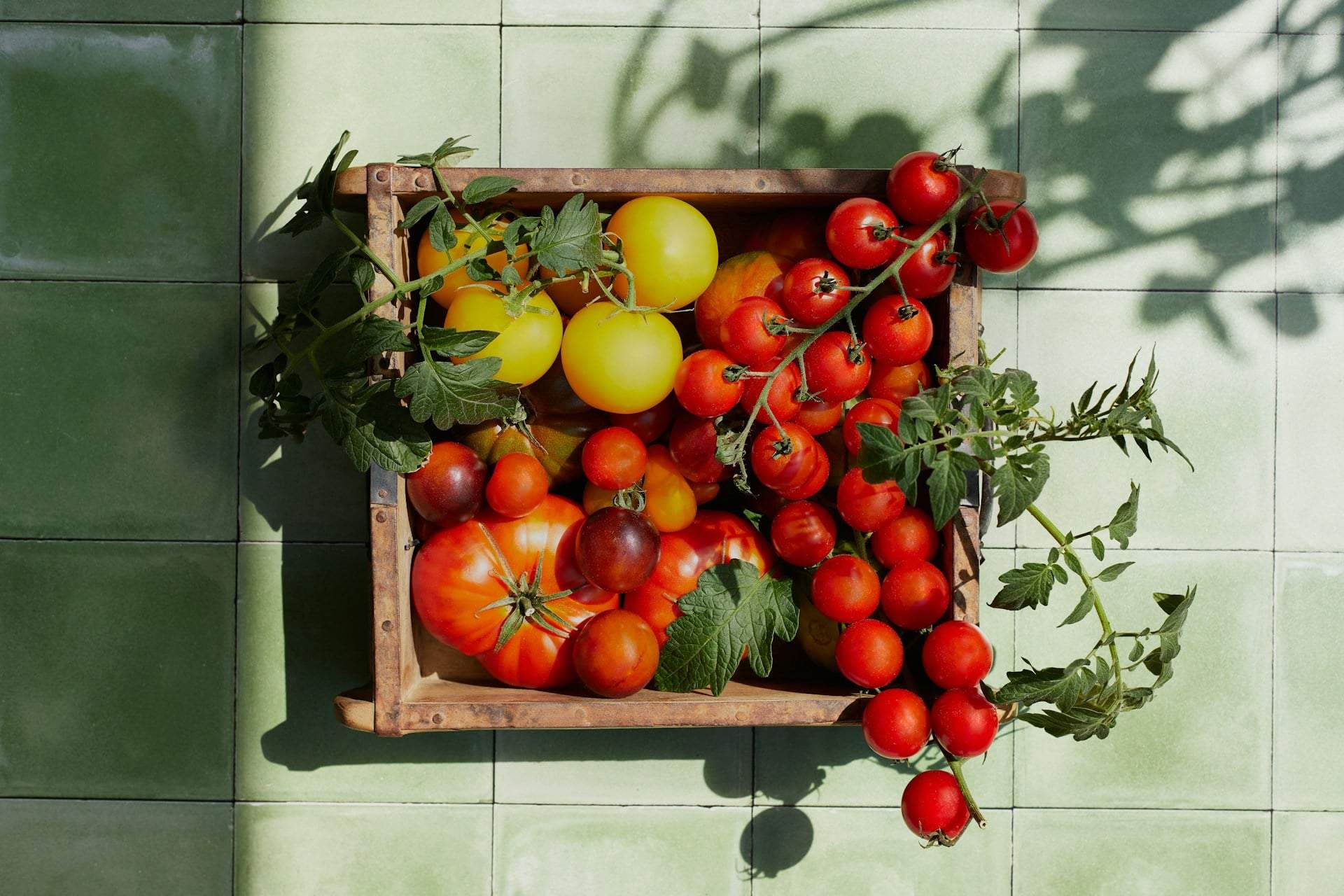
Cucumbers, tomatoes, and lettuce are classic examples of veggies you shouldn’t freeze. Their high water content turns into ice crystals during freezing, which melt upon thawing and leave the texture soggy. That said, tomatoes can be frozen if cooked first, helping avoid unwanted texture changes.
Raw Potatoes
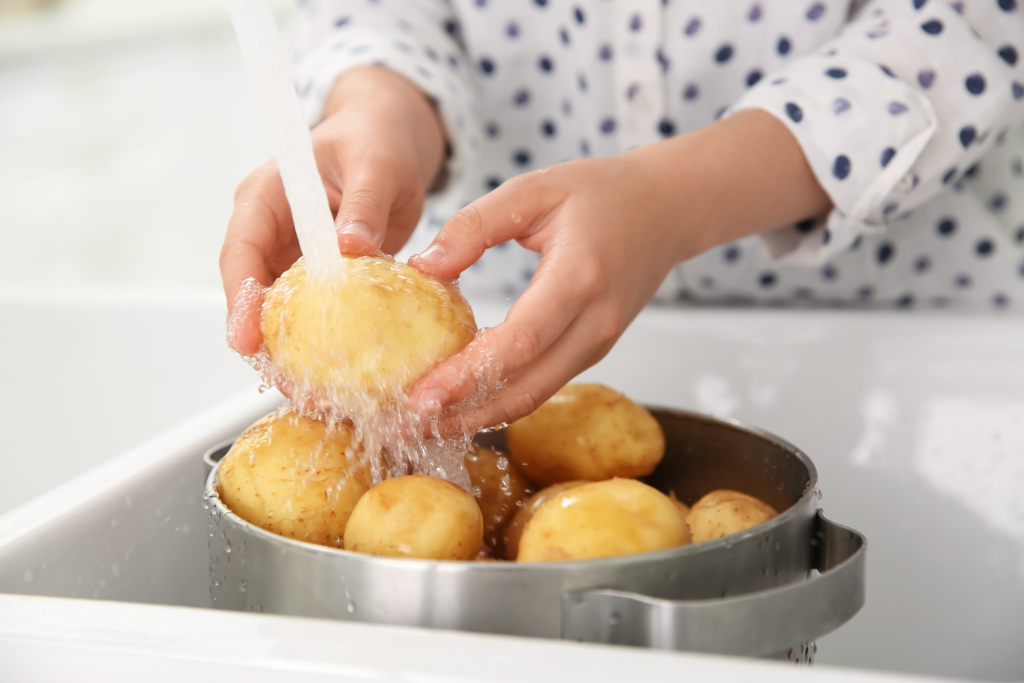
Potatoes are best kept fresh. Freezing raw potatoes breaks down their starches, making them taste sweeter but turn watery and spongy in texture. If you want to store them longer, cook or bake them first, then freeze.
In the Shell: Eggs
Never freeze eggs in their shells. The liquid inside expands when frozen, which can crack the shell and cause damage. If you want to freeze eggs, crack them open first, beat yolks and whites together, then store airtight in a suitable container. This keeps their texture and quality intact and makes them easier to use later.
Soft Cheeses
Hard cheeses like cheddar or parmesan freeze well, but soft cheeses don’t fare as nicely. Cheeses like brie or camembert can become watery, rubbery, and even change in flavor after thawing, which can take away from the enjoyment.
Foods You’ve Already Thawed Once
Refreezing thawed foods carries health risks. Food safety guidelines advise against refreezing once-thawed items because temperature changes can encourage bacteria growth, increasing the chance of food poisoning. So, always handle leftovers with care!