Back in the ’80s and ’90s, scrunchies were the go-to hair accessory—they offered a simple, stylish way to style your hair. Today, the same logic explains the rise of claw clips: they’re practical, quick, and trendy all at once. Hair falling in your face? Clip it back. Second-day hair that’s not ready for washing? Clip it. Want a quick, casual bun without creases at the roots? The claw clip’s got your back. It’s that simple. But as handy as they are, overusing claw clips can cause damage to your hair.
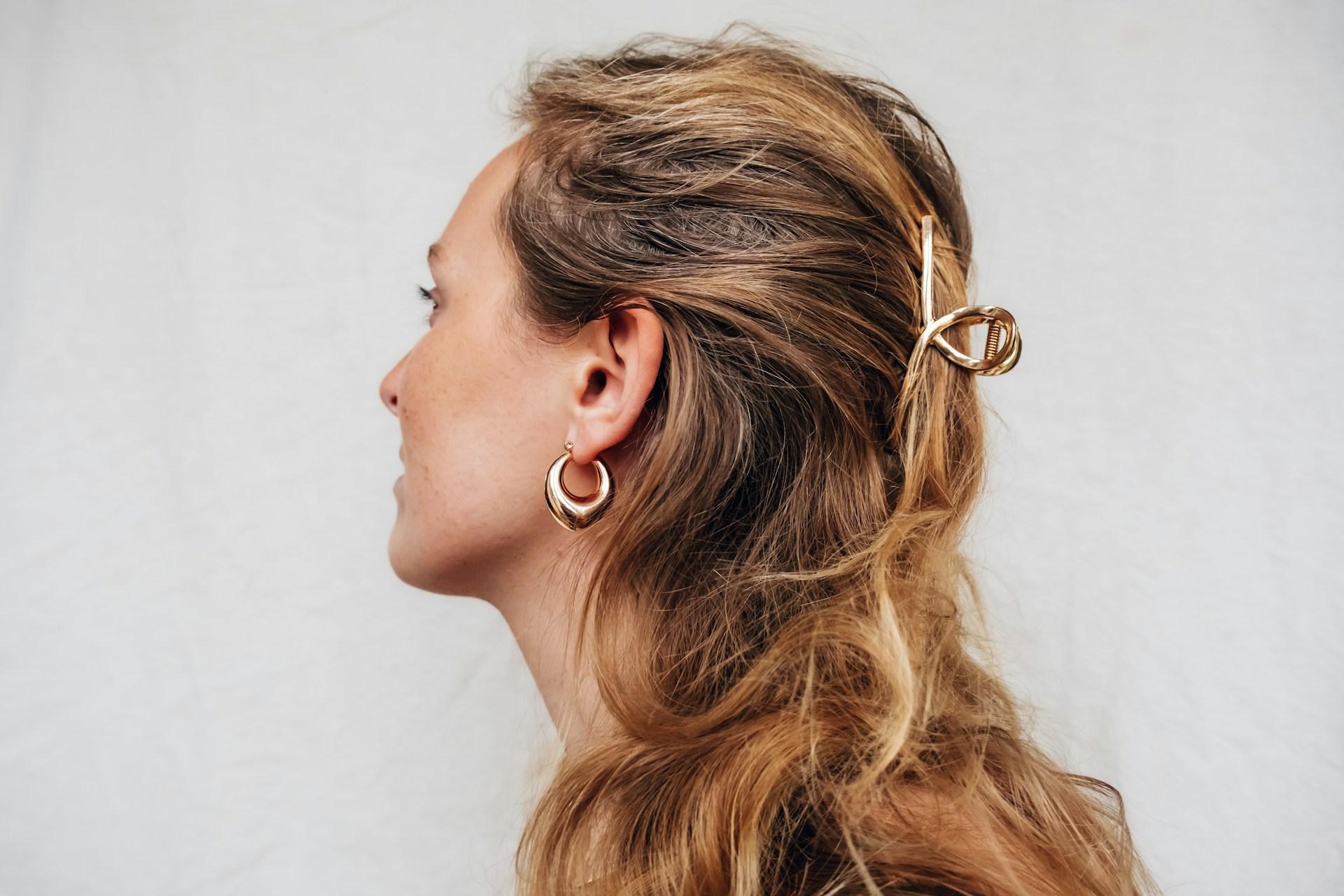
“Thanks to their toothed grip, claw clips hold a section of your hair firmly. They’re perfect for quick, loose buns or half-up styles, and come in all sizes and materials—from plastic to metal,” says Dr. Mina Amin, a dermatologist based in Los Angeles.
The versatility of claw clips is what makes them so popular. Their shape lets you get creative with your hairstyles, from secure ponytails to relaxed half-up looks.
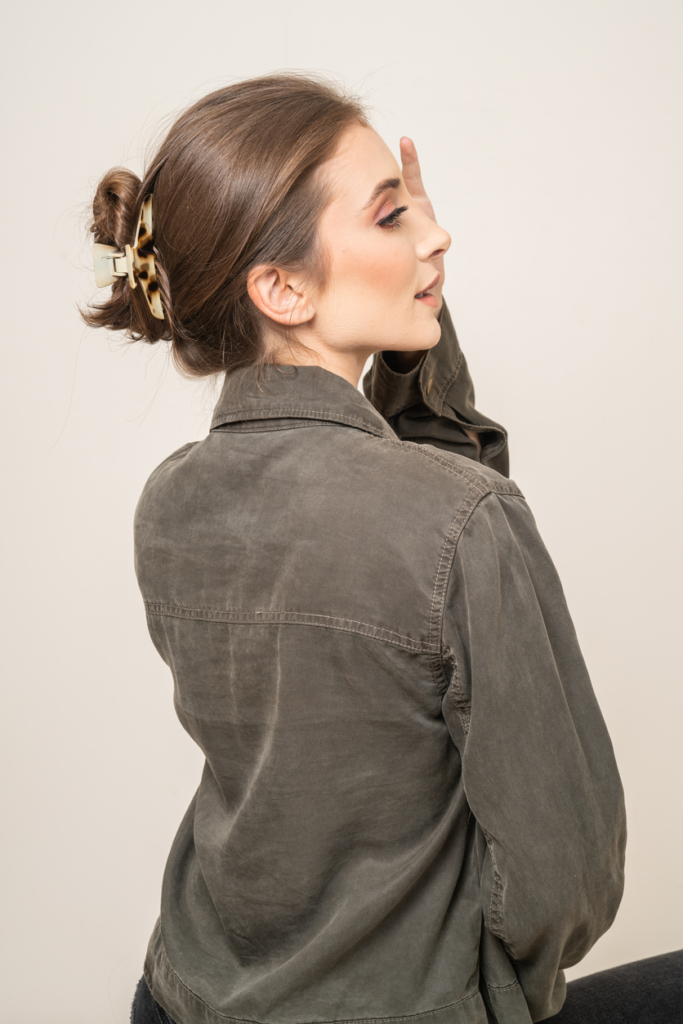
Can Claw Clips Damage Your Hair?
“Any hair accessory can cause damage if it’s too tight or used too often, and claw clips are no exception,” says hairstylist Michelle Cleveland. “Avoid pulling your hair too tight or clipping it in the same spot every time—that can lead to breakage.”
Hairstylist Jennifer Korab adds: “Tight hair ties create tension on the strands, which can cause breakage and thinning—especially if used repeatedly in the same spot. Metal-edged claw clips can catch and pull hair strands, leading to split ends and weakening. Using claw clips too tightly or repeatedly can create pressure points on your hair, causing breakage or tension near the roots.”
We asked Norbi Borbás, Lakmé’s international ambassador and education lead in Hungary, for his take on claw clips.
“Clips with ‘wolf teeth’ grips hold hair very tightly in an unnatural position. This can damage the hair’s outer layer (cuticle) where the clip clamps down, making hair more fragile and prone to breakage over time. It also exposes hair more to environmental stressors like heat from blow dryers, straighteners, sun, pollution, chlorine, saltwater, hard water, and free radicals,” Norbi explains.
“If you can, choose straight clips with rubber grips that hold hair securely without breaking it,” Norbi advises.
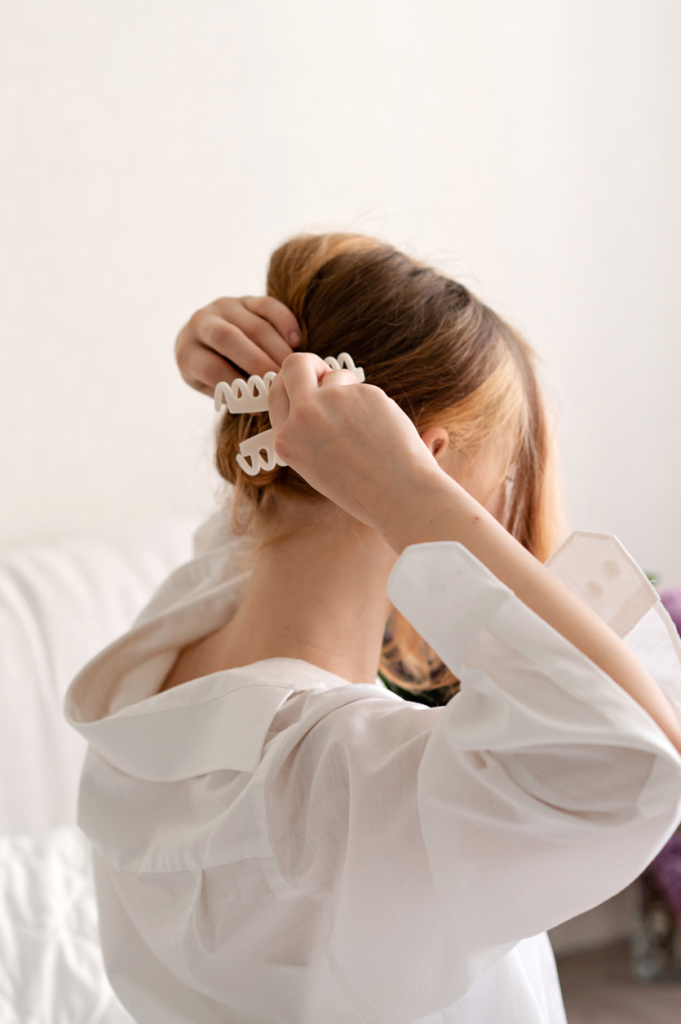
How to Use Claw Clips Safely
Cleveland recommends gathering your hair, twisting it near the crown, then securing it with the clip. Make sure your style feels stable but not too tight. Avoid clipping the same spot every time to prevent hair breakage.
Korab highlights: choose clips with smooth edges to avoid snagging your hair.
Dr. Amin adds a comfort and safety tip:
“Don’t wear clips while driving—they can press against your headrest, cause discomfort, and limit your movement. In sudden stops or accidents, they could cause injury. In those cases, opt for a low ponytail or bun instead.”
Alternatives to Claw Clips
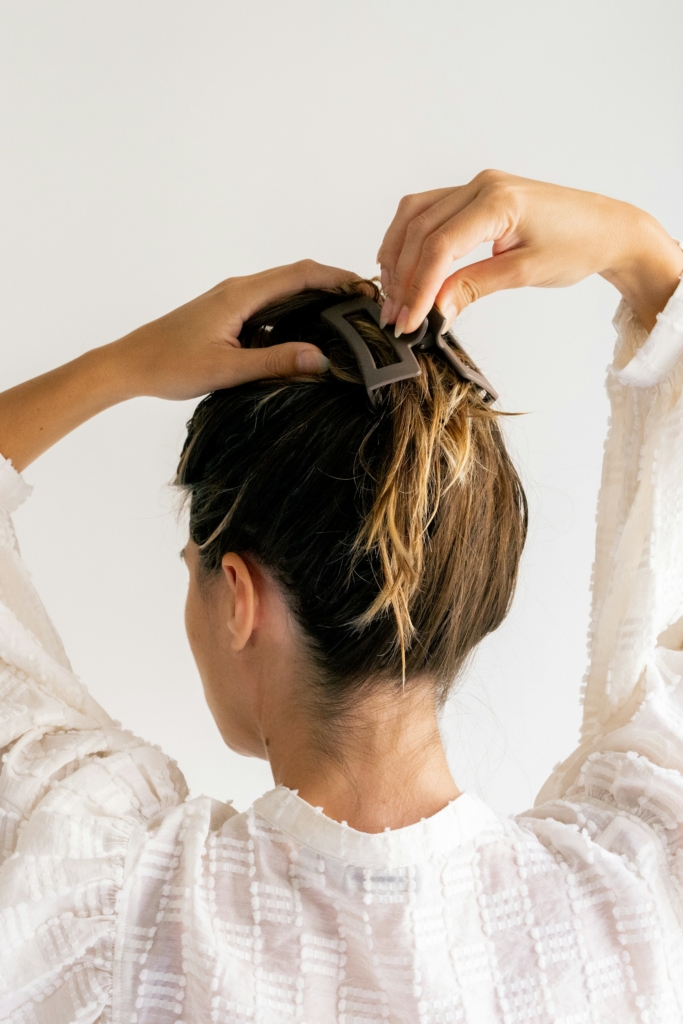
- Hair clips or barrettes: for quick, strong hold.
- Silk hair ties: reduce friction, minimize breakage, and don’t leave creases.
Claw clips are a practical, easy fix, but keep these tips in mind:
- Don’t pull your hair too tight.
- Don’t clip the same spot every time.
- Choose clips with smooth, gentle edges.
- If you want to secure your hair while driving, opt for a hair tie instead.
Follow these tips, and claw clips can be a safe, quick way to keep your hair looking neat every day.