The quality of your sleep depends a lot on your bedroom environment. If you struggle to find calm at night, it’s worth considering whether your room’s setup and atmosphere truly support rest. Many factors influence your sleep space, and often the smallest details can bring the biggest changes. Discover simple tweaks that can turn your bedroom into a sanctuary of complete relaxation, not just rest.
The Rug
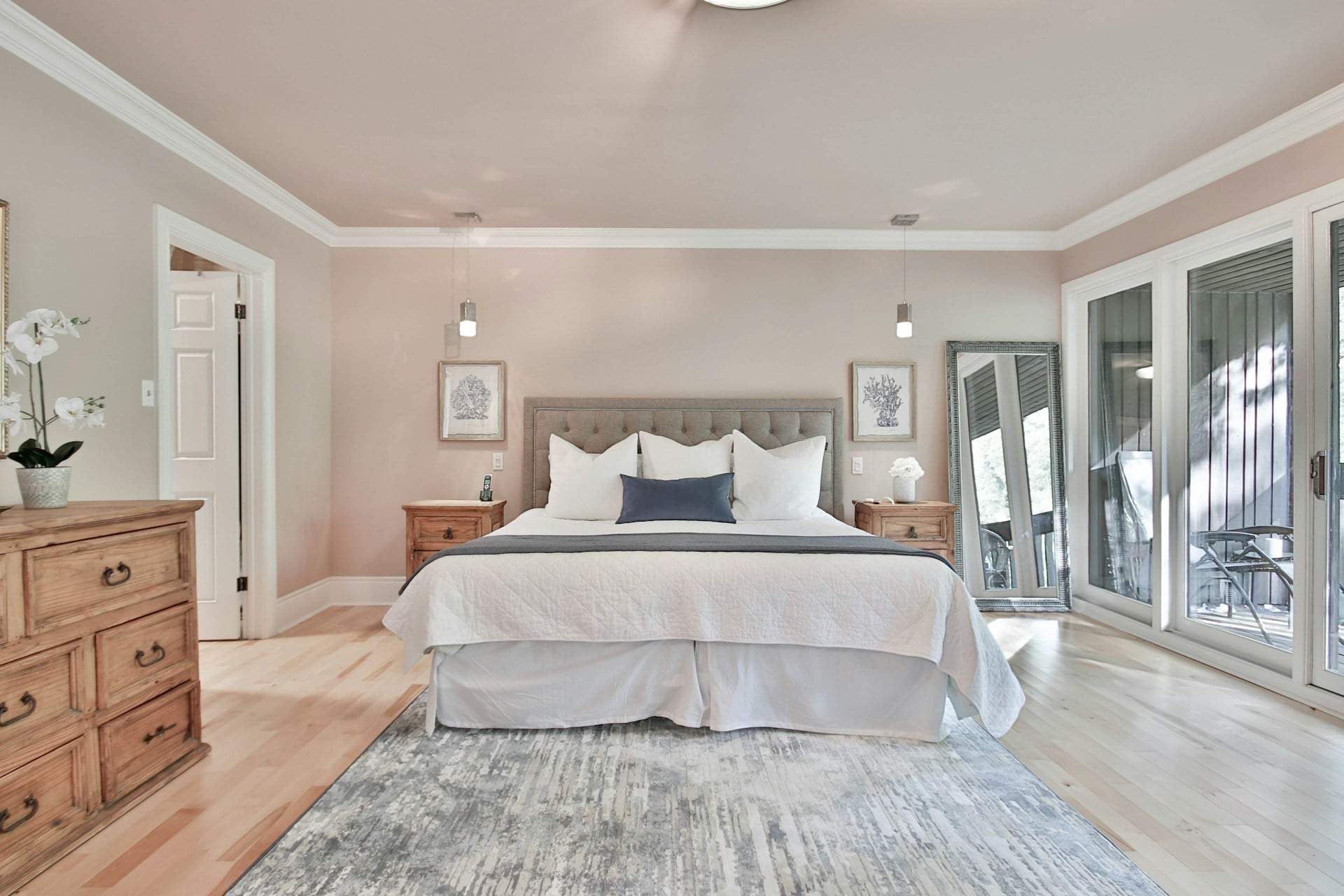
One of the most underrated elements in the bedroom is the rug. It’s often overlooked, yet its soft touch and warmth instantly make the space feel cozier. Those first barefoot steps in the morning on a gentle, plush surface can set a positive tone for your day. Plus, rugs help absorb sound, creating a quieter environment that supports uninterrupted rest. If you have hardwood or stone floors, a well-chosen rug can reduce echoes, add warmth, and visually frame the room.
Lighting and Ambiance
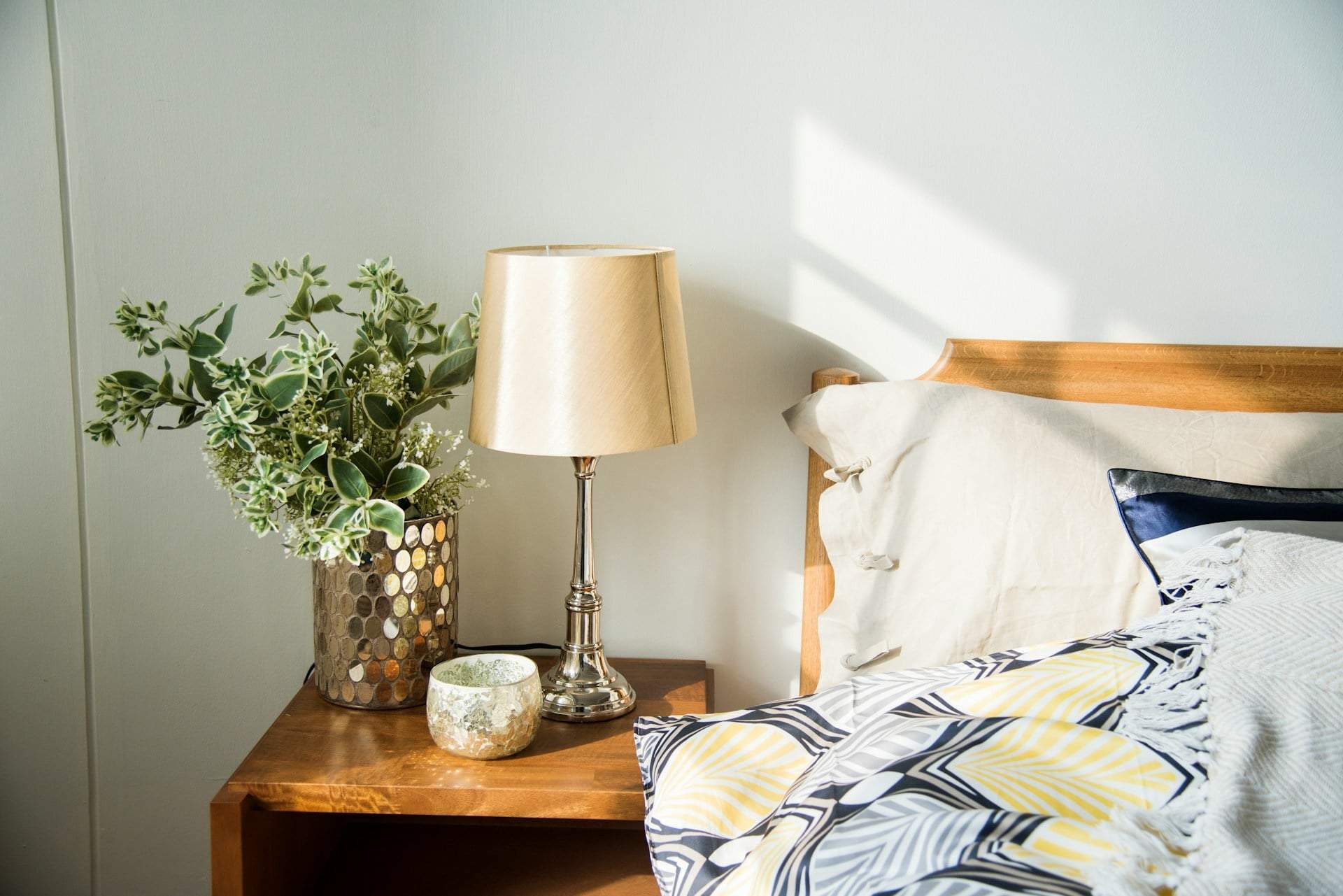
Lighting plays a key role in creating a restful space. Bright lights can disrupt your calm, so opt for dimmed, soothing lighting to help you unwind. Use cozy lamps to set different moods in the evening. Adjustable bedside lamps let you control brightness to suit your needs, easing the transition to sleep. Natural light is important too—manage it with proper shading to protect your room from harsh sunlight while keeping it bright and inviting during the day.
Fresh Air and Scents
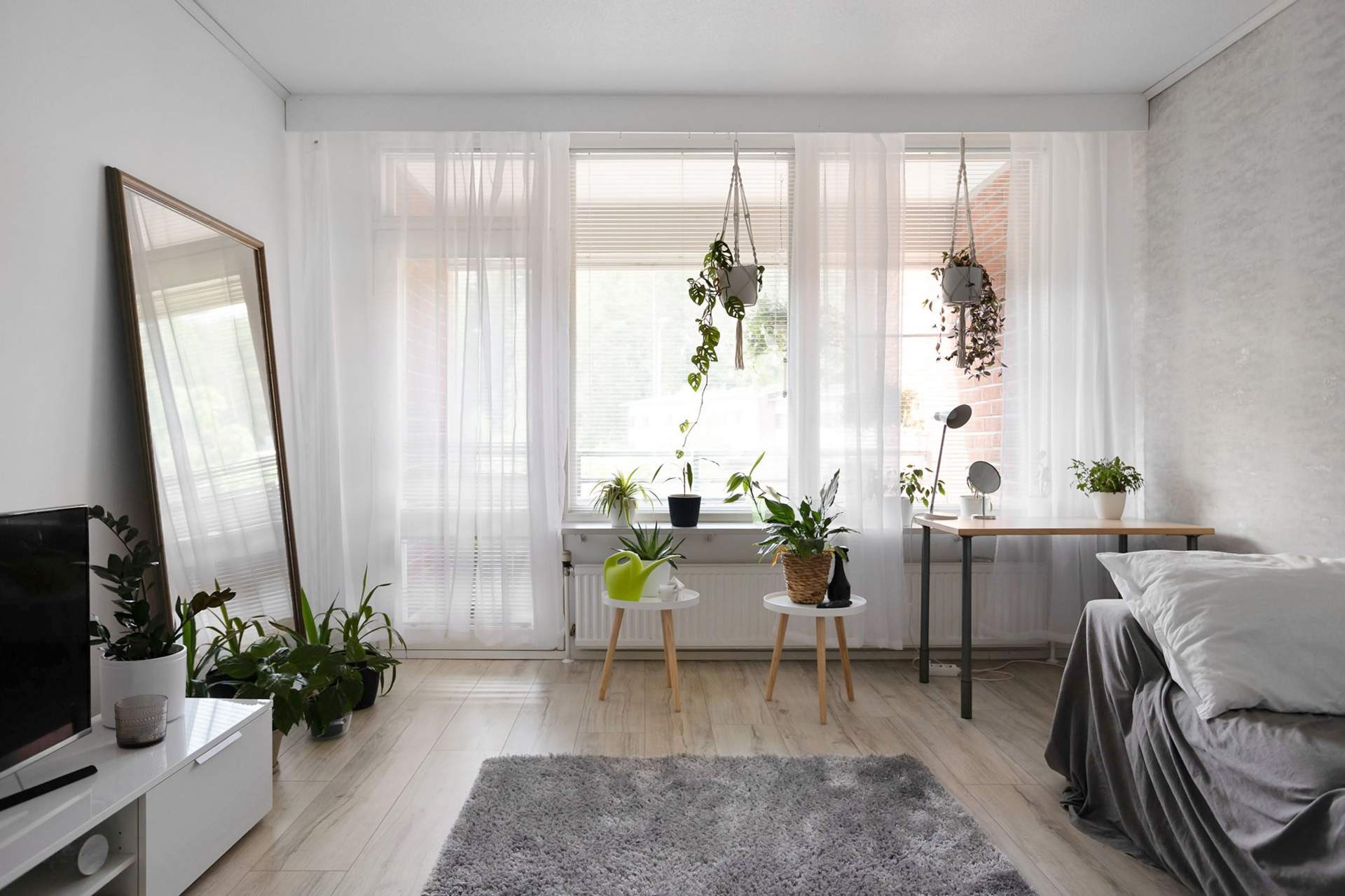
Air quality is vital for a healthy sleep environment. Regularly ventilate your room to keep the air fresh and oxygen-rich. Use air fresheners or aroma diffusers with essential oils like lavender or chamomile to promote relaxation and help you fall asleep faster. Beyond scents, oxygen levels matter—simple houseplants like philodendrons or English ivy can purify the air, creating a healthier space for rest.
Carefully Chosen Textiles
Don’t underestimate the power of quality bedding! Natural fabrics like cotton or linen breathe well, ensuring comfortable sleep through the night. Make sure your bedding allows airflow—overly warm blankets can disrupt your sleep cycle. Match your pillows, blankets, and mattress to your climate and personal preferences. The colors you choose also affect your mood; calming, muted tones can help you drift off more easily.
Intimate Atmosphere and Decor
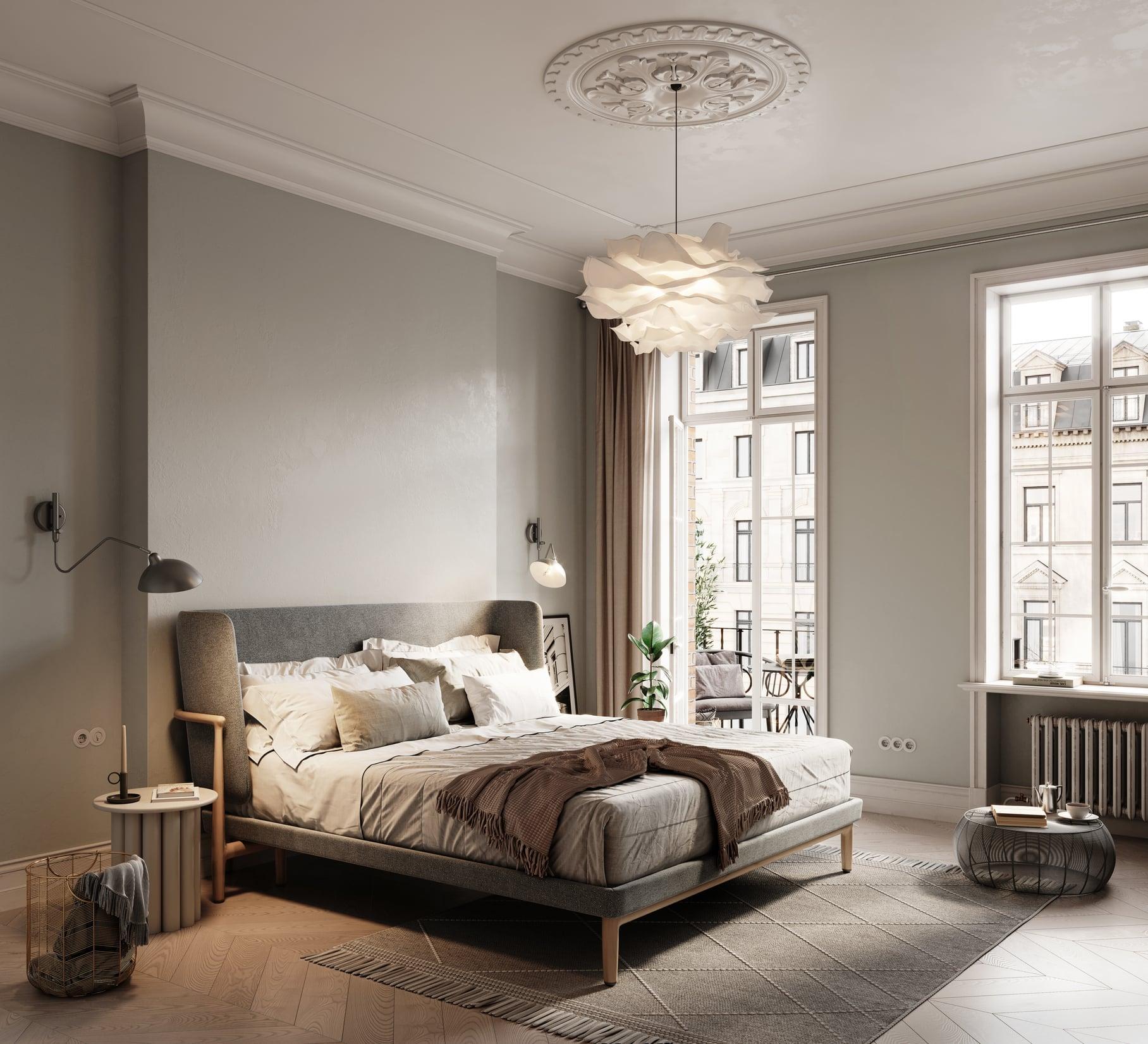
Minimalism often holds the key to a cozy bedroom. Keep your space balanced and clutter-free to create a true haven of calm. Embrace natural materials and colors—wood and nature-inspired decor add warmth to the room. Personal touches matter too: surrounding yourself with meaningful items and memories brings genuine intimacy to your space.
Minimizing Electronics
One of today’s biggest challenges is reducing exposure to electromagnetic pollution, which quietly affects our lives. Whenever possible, avoid using electronic devices in the bedroom. Phones, laptops, and TVs can all impact sleep quality. Try spending the hour before bed screen-free to avoid blue light and improve your rest. Minimizing electronics in your bedroom not only supports peaceful sleep but also keeps your space mentally clear.