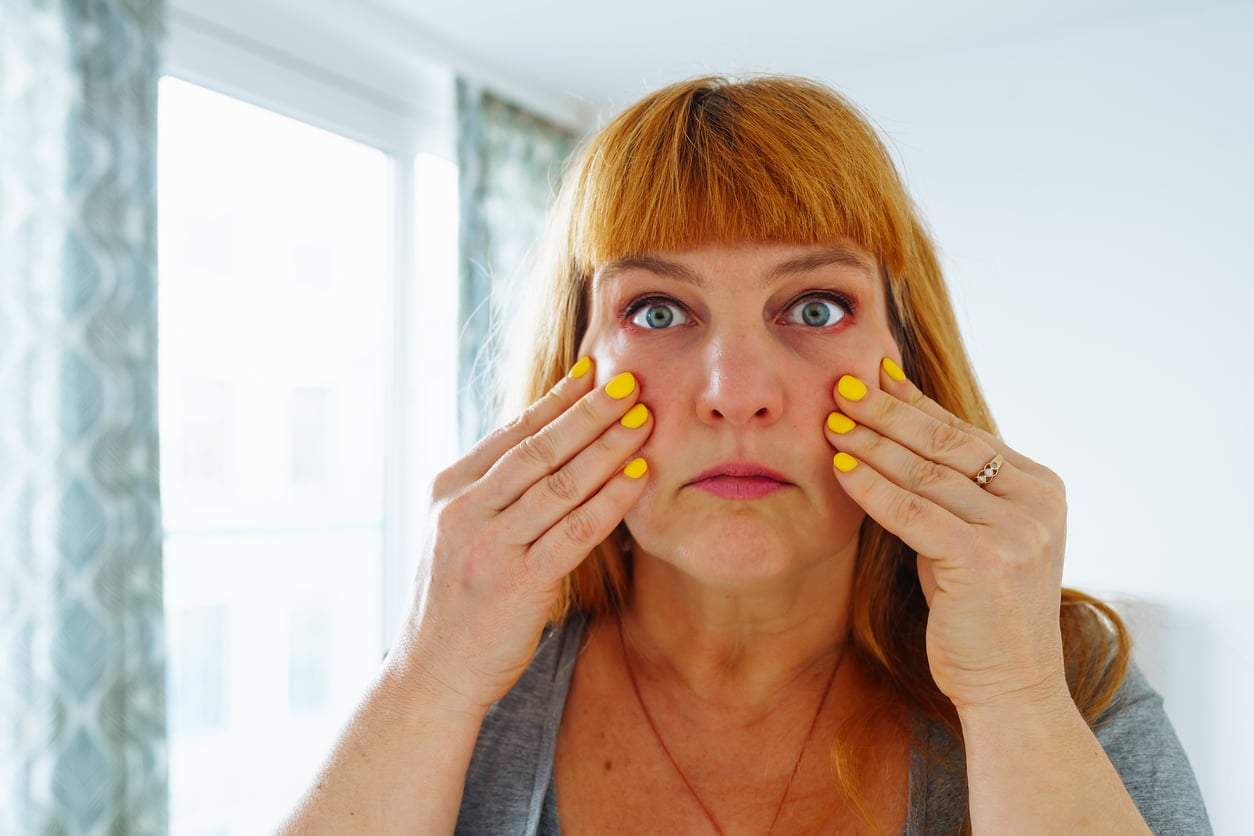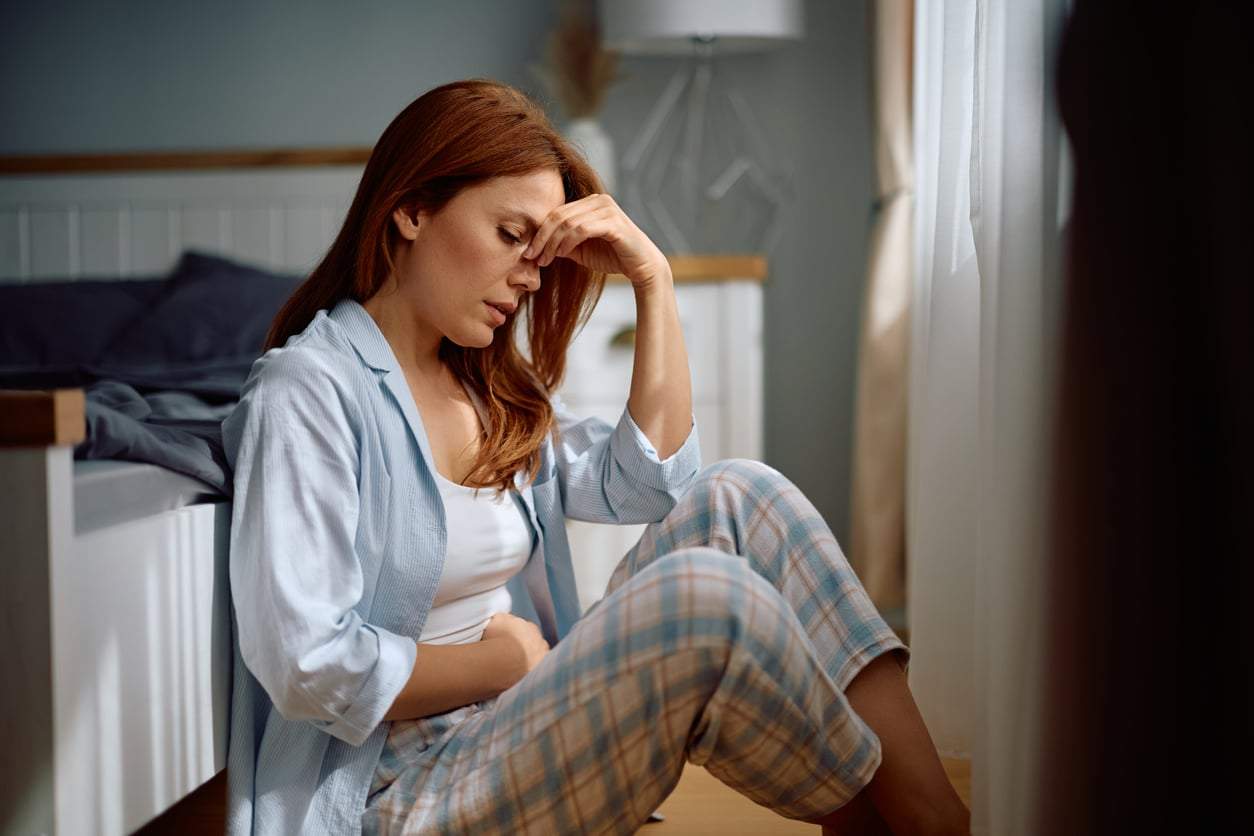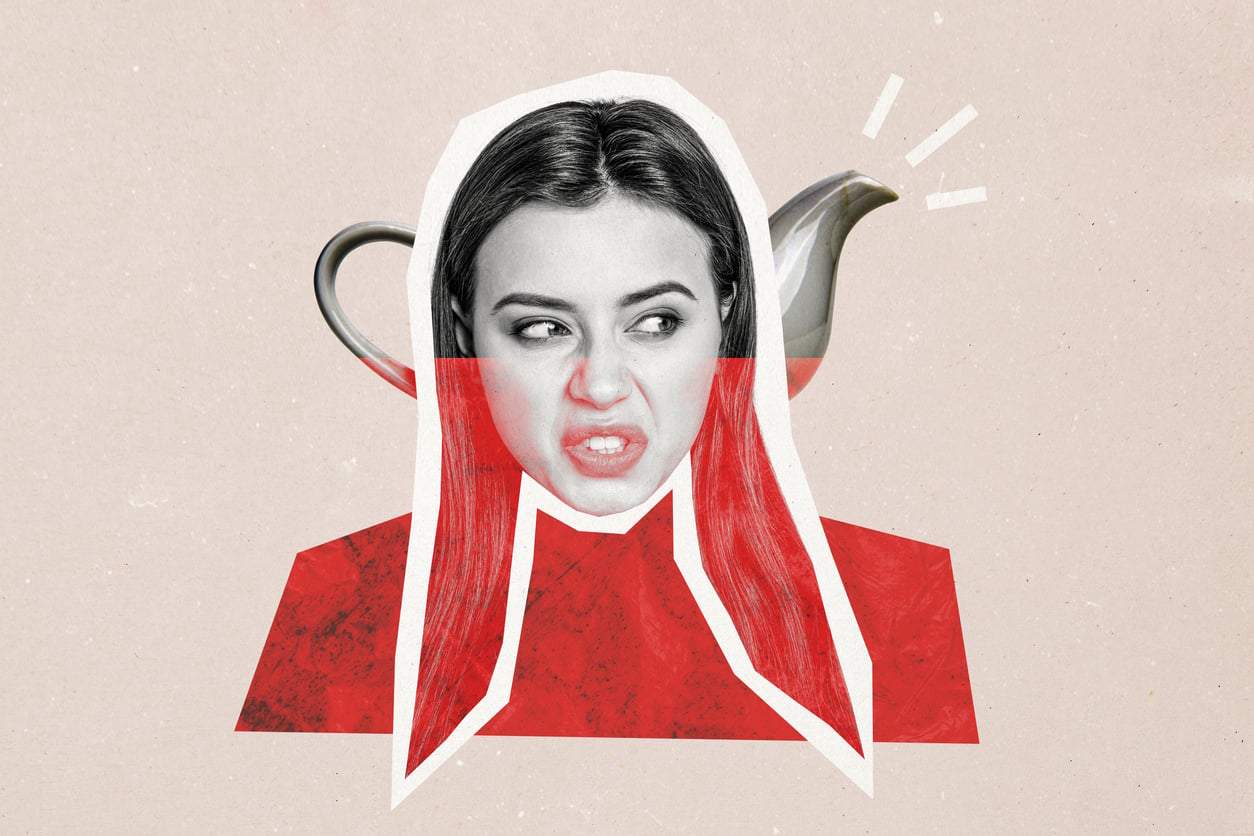
You snap at people you love. You feel a wave of dislike toward someone for no real reason. Some days you're convinced everything you do is worthless. Then, a few days later, it all quietly disappears.
If this happens on a loop, month after month, it may not be your personality at all. It could be PMS wearing a disguise you never recognized.
Believe it or not, this cluster of symptoms only got a name in 1931. Back then it wasn't even considered physical. Doctors called it hysteria and treated it as a mental problem. Thankfully, gynecology has come a long way since. A woman's pre-period mood shift is no longer dismissed as rebellion against the rules of a patriarchal world.
Today science calls it premenstrual syndrome, or PMS. And even though plenty of researchers study it, we still don't fully understand why it triggers such wildly different symptoms in different women. The most likely explanation is the fluctuation of estrogen and progesterone levels. But even that theory doesn't explain why some women get crippling migraines while others sink into depression, or why so many report symptoms that sound almost impossibly strange.
Uncomfortable thoughts can be PMS symptoms too
Do you sometimes feel that everything you do is pointless? Or catch yourself feeling irrational hostility toward certain people in your life? If there's no concrete reason behind these feelings, and they show up cyclically at a specific point in your month, PMS may be the hidden cause.
In the best-case scenario, the symptoms don't wreck your whole day. You can still work, rest, and keep your family life and relationships steady. PMS isn't tied to age, either. Teenagers and middle-aged women fall victim to it just the same, and in most cases they never reach the point of asking for help.
Menstruation isn't an illness, so most people assume the symptoms in the days beforehand are simply natural and something to endure. But if they're poisoning your daily life, don't keep it a secret. Even your family doctor can help.
The strange PMS symptoms no one warns you about
Bloating, water retention that nudges the scale up, a prickly mood, and the urge to burrow under a thick blanket and shut out the world. Those probably sound familiar.
But some women react in the opposite way. They grab every cleaning product in the house and launch into an all-day scrubbing marathon. Not a speck of dust survives in the homes of those who get hit by pre-period cleaning fever every four weeks. And most of them don't enjoy it. The house may end up gleaming, but the whole time they feel an unbearable compulsion to wipe down every last square inch with a damp cloth.
Others are gripped by an uncontrollable craving for one specific taste. It might be sweet, sour, bitter, or even spicy. The trouble is that the craving is impossible to satisfy, so by the end of the day they're left with stomach problems. Some women fall into an almost dreamlike drowsiness, while others wake from nightmares night after night in the run-up to their period.
What can you do about PMS symptoms?
According to the international nonprofit Menstrual Matters, one effective approach is to track your symptoms across two or three cycles. Once you see the pattern, remind yourself that these are completely normal PMS symptoms.
Pay attention to what you eat, too. Foods that can worsen the way PMS shows up in your body include dairy products such as cheese, yogurt, milk, and butter. It's also worth cutting back on high-sodium foods, red meat and other fatty proteins, caffeinated drinks, and processed foods during this time.
Listen to your body
Some research suggests that women who have figured out exactly how their monthly cycle affects their mood and their body cope far better with the rough patches. In the lethargy before the big day, it's reassuring to remember that this is the low point, and highs are coming too.
That's especially true around ovulation, when most women feel full of energy and as though they could take on anything.
Are these strange feelings really caused by PMS?
If symptoms like irritability, unexplained hostility, or feeling worthless appear cyclically at a specific point in your month with no concrete cause behind them, PMS may well be the reason.
Does PMS only affect a certain age group?
No. PMS isn't tied to age. Teenagers and middle-aged women can experience it just the same, and many never reach the point of seeking help.
When should I talk to a doctor about PMS?
If the symptoms are poisoning your daily life rather than being a minor inconvenience, don't keep it to yourself. Even your family doctor can offer help.
Can changing my diet ease PMS symptoms?
It may help. Dairy, high-sodium foods, red meat and other fatty proteins, caffeinated drinks, and processed foods can worsen symptoms, so it's worth cutting back on them during this time.