
But is this term real, and how can we recognize it in ourselves to take action in time?
What Is Emotional Burnout?
Emotional burnout is a state where our emotional and mental energy runs out, making everyday tasks feel overwhelming. It doesn’t happen overnight but develops gradually, quietly impacting our daily lives.
Often caused by stress, ongoing anxiety, or constant emotional strain, it slowly wears down our mental reserves.
Signs of Emotional Burnout
Recognizing the signs early is key because the sooner we act, the easier it is to find solutions. Watch out for these warning signals:
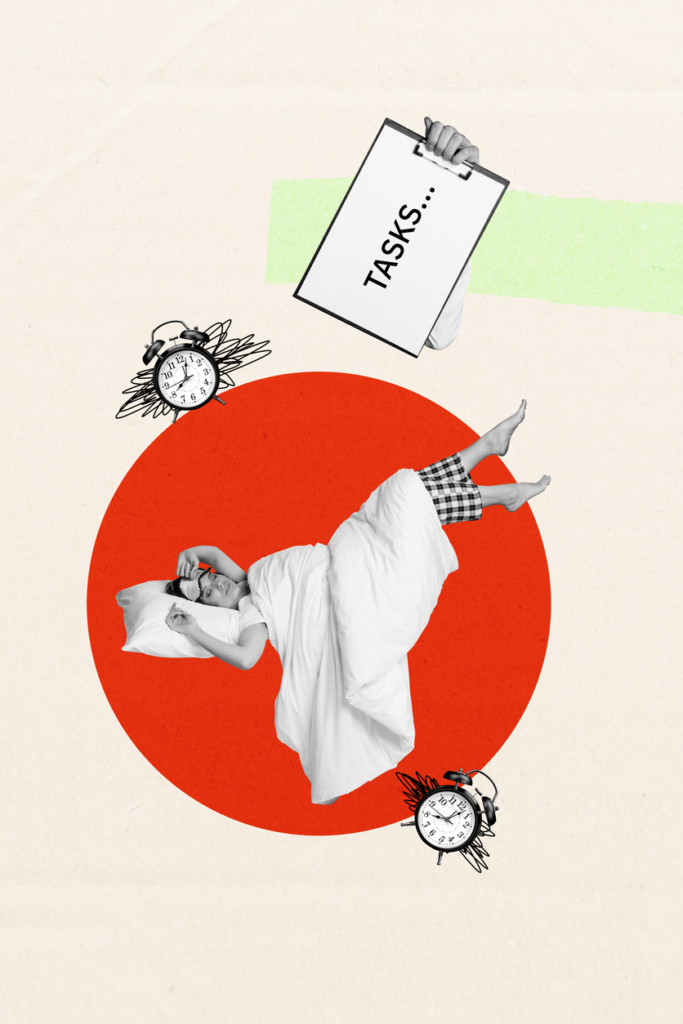
- Persistent fatigue: Not just physical tiredness, but mental exhaustion that a good night’s sleep can’t fix.
- Emotional numbness: Feeling distant from your surroundings and indifferent to things that once mattered.
- Lack of motivation: No interest in activities, with every task feeling like a burden.
- Irritability and anxiety: Small things easily upset you, creating constant stress.
How to Prevent Emotional Burnout
The key to prevention is balance and awareness. Paying attention to ourselves and nurturing our mental health is essential. Here are some helpful tips:
Give Yourself Time to Rest
Regular breaks and quality sleep are vital for mental well-being. Don’t miss chances to fully unwind and create moments to relax.
Build Supportive Relationships
Humans are social beings, so it’s important to have people you can count on. Sharing your feelings and worries with friends and family can be a powerful way to recharge.
Self-Care
Self-care isn’t selfish—it’s one of the best ways to prevent burnout. Take time for yourself, enjoy activities that bring you joy, and spend time doing what you truly love.
How to Manage Emotional Burnout
If you notice signs of emotional burnout, don’t ignore them—take steps to improve your situation. These methods can help:
Consult a Professional
If things feel overwhelming and hard to handle alone, consider reaching out to a psychologist for expert support.
Mindfulness and Relaxation
Mindfulness techniques and relaxation exercises can help restore your emotional balance and reduce stress. Try meditation, slow breathing, and yoga.
Reassess Your Priorities
Reflect on what truly matters to you and focus your energy there. Sometimes, burnout comes from unnecessary overload.
Emotional burnout is real, and anyone can experience it. The key is to recognize the signs and take steps to prevent or manage it. Remember, your mental health is just as important as your physical health and deserves the same care.