
Stress is one of the biggest health challenges of our time, and we all experience how quickly it can disrupt the balance of body and mind. But is it enough to just "try to relax," or can relaxation really trigger changes deeper down, even at the level of our genes? Researchers at Harvard University have found surprising results: regular relaxation – whether meditation, yoga, breathing exercises, or even just a few minutes of quiet reflection – can indeed influence the functioning of our genes and thereby improve our health in the long term.
What does it mean that relaxation affects us at the "gene level"?
Our genes lie dormant in every cell of our body, determining how our cells function, how our body responds to stress and diseases, and how the most important biological processes take place. However, genes are not "carved in stone" commands: certain environmental influences and lifestyle factors – such as stress or relaxation – can switch some genes on or off, influencing which genes are active and which are not. This is called gene expression.
The major Harvard study: how did they examine the effect of relaxation?
Researchers from Harvard University and Massachusetts General Hospital conducted a large, multi-phase study to examine how relaxation techniques affect gene function in healthy individuals. The study included long-term meditators, people new to relaxation, and a control group of those who had never tried such techniques before.
They analyzed the activity of over 22,000 genes from blood samples taken at different times: before and after relaxation exercises, as well as after short- and long-term practice.
The results were impressive: even after a single relaxation session, changes in the activity of hundreds of genes were detectable, while in regular practitioners this number rose to several thousand.
Which genes changed?
The study found that relaxation exercises particularly affected genes crucial for the immune system, energy metabolism, inflammation, cellular aging, and the body's stress responses. Notably, relaxation caused:
- Increased energy metabolism: The cells' "powerhouses," mitochondria, functioned more efficiently, which can lead to better energy levels and vitality.
- Decreased activity of inflammation-promoting genes: This can help prevent chronic inflammatory diseases in the long term, such as cardiovascular problems, arthritis, or even tumor development.
- Improved immune system function: Genes regulating immune responses were activated, potentially making the body more resistant to infections and diseases.
- Better functioning stress management mechanisms: Relaxation exercises activated genes that help the body better handle physical and mental stress, reducing the harmful effects of stress.
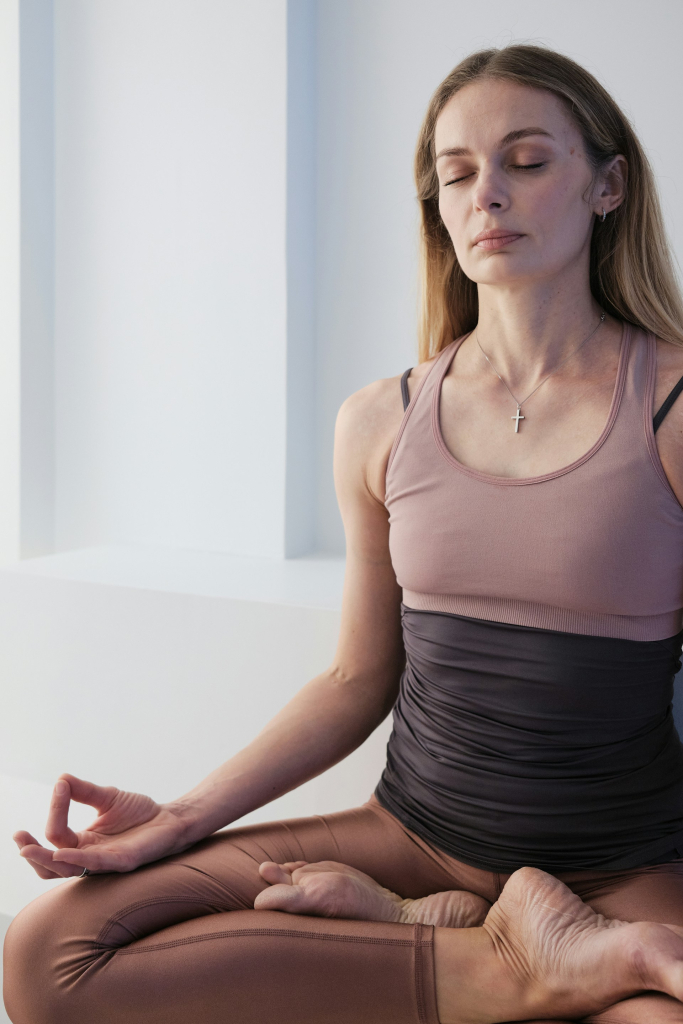
Relaxation and stress: opposing gene functions
Researchers also showed that the gene function changes during the relaxation response are exactly opposite to those observed under chronic stress. While chronic stress increases inflammation, accelerates cellular aging, and weakens the immune system, relaxation exercises can reverse or at least slow down these processes.
This may explain why relaxation can help in managing high blood pressure, anxiety, depression, and even diabetes and autoimmune diseases.
The results of an impressive study
One of the largest studies linked to Harvard examined three groups: long-term meditators, beginners (who participated in an 8-week relaxation training), and a control group.
Analysis of blood samples showed that gene function in both long-term meditators and beginners significantly differed from the control group: the activity of more than 2,000 genes changed, many of which play roles in cellular metabolism, regulation of inflammatory processes, and defense against oxidative stress.
Researchers also observed that significant positive changes in gene function occurred after just 8 weeks of regular relaxation practice. This means you don’t need to meditate for years to trigger measurable changes in your body – noticeable and visible results can appear within just a few weeks.
What does this mean for you in everyday life?

Based on scientific findings, we can now confidently say: relaxation is not just a "feel-good" experience but triggers real, measurable biological changes in your body. If you regularly dedicate time to meditation, deep breathing, yoga, or any relaxation technique, you not only improve your mood but also make your body more resilient, healthier, and more youthful.
Incorporating relaxation techniques into daily life does not require special equipment or expensive courses: just a few minutes of silence, a mindful breathing exercise, or even a short meditation can initiate these positive processes. It’s worth experimenting to find the method that suits you best – the key is regularity and mindfulness.