The Wren: Small but Brilliant
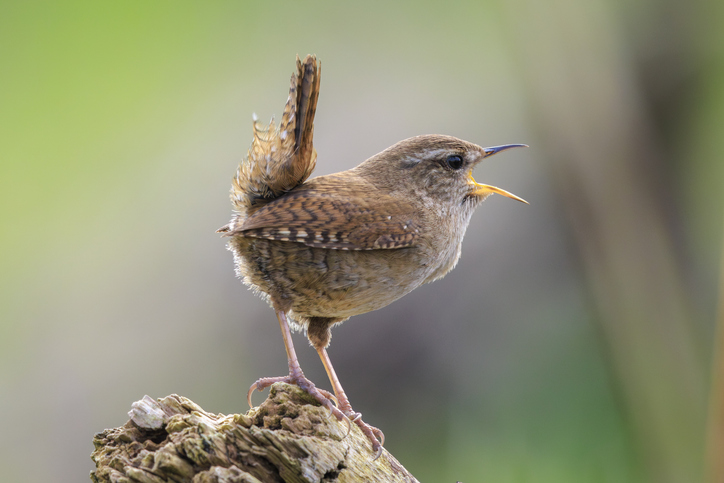
Wrens, those tiny birds, have surprising smarts. They recognize and remember human faces and keep learning from the signals around them.
Scientists often marvel at how effectively they train themselves to avoid predators and craft clever survival strategies.
They Produce Square-Shaped Poop
Believe it or not, wombats have a unique talent: they produce square-shaped droppings. This special shape isn’t random—it helps them mark their territory and communicate with other wombats.
These square pieces don’t roll down hills, so their messages stay intact and clear.
Lizards Can Regrow Their Tails
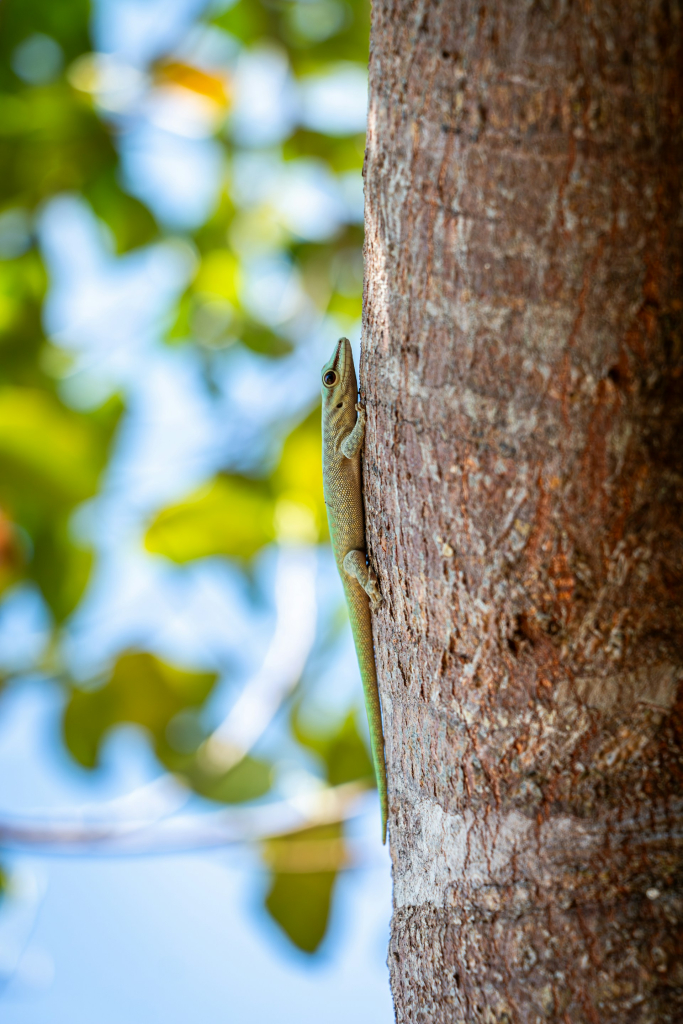
Geckos, especially leopard geckos, have the amazing ability to regrow their tails if they lose them. This biological trick helps them escape predators, as their tails sometimes detach during attacks.
While the new tail isn’t an exact replica, it still offers a vital escape advantage.
However, some lizard species, mainly larger or specially evolved ones, either don’t regrow their tails at all or only very limitedly, like monitors and iguanas.
Dolphins Give Each Other Names

Dolphins have fascinated people for ages with their intelligence and complex social lives. Did you know they actually give each other names? They communicate using unique whistle sounds that act like names within their community.
These “signature whistles” help them identify and call one another, especially useful when a member drifts away from the group.
Parrots Can "Speak" Multiple Languages
Parrots aren’t just chatty companions in the human world. They can mimic different languages, adapting to human speech—a rare skill in the animal kingdom.
They use this talent to deepen bonds with people and entertain their owners while acting as lively conversational partners.
Vampire Bats Show Friendly Behavior
It might sound strange, but vampire bats live in communities with unique social bonds. If one bat fails to find blood, others generously share some to help it survive.
This occasional sharing keeps the group strong and deepens their social ties.
Beavers: Nature’s True Engineers
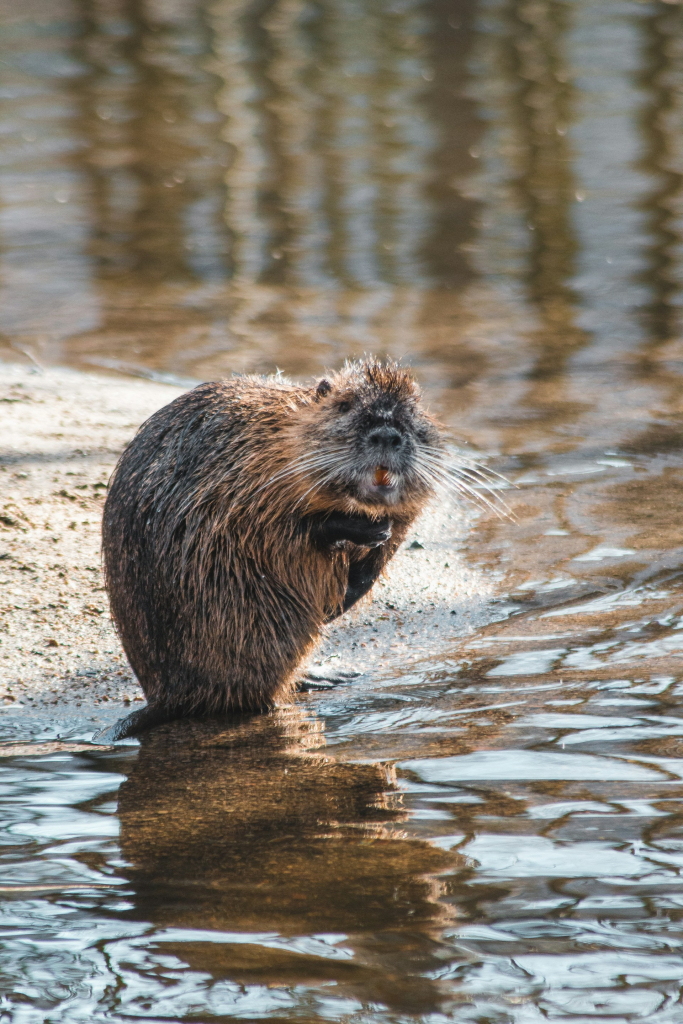
Beavers aren’t just natural engineers. By building bridges, dams, and homes, they continuously shape their environment. These projects provide shelter and help maintain ecological balance.
Their remarkable creativity and intelligence let them transform habitats effectively.
Squirrels Dry Mushrooms
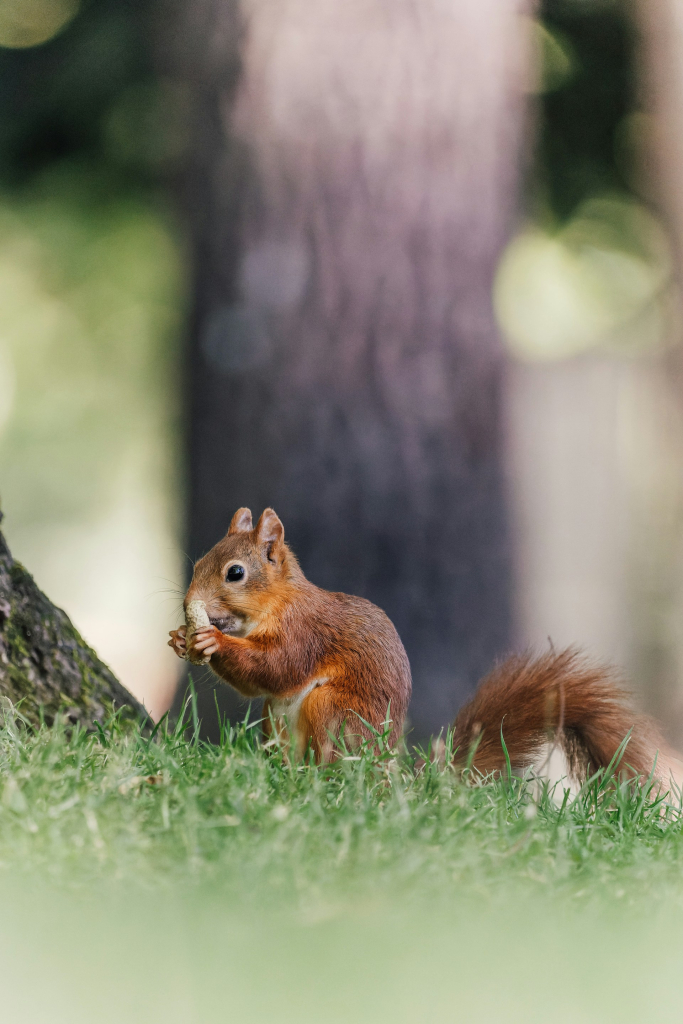
Squirrels use many clever tricks to survive daily meals. One special tactic is laying out foods like mushrooms in the sun to dry, so they can store them for months.
This drying process helps them get through harsh winters when food is scarce.
Ant Armies’ Smart Strategies
Ants live in amazingly organized groups where teamwork and hierarchy matter. Some species can lead effective armies to scare off predators or intruders from their territory.
Their social and logistical setup is one of the animal kingdom’s most fascinating phenomena.
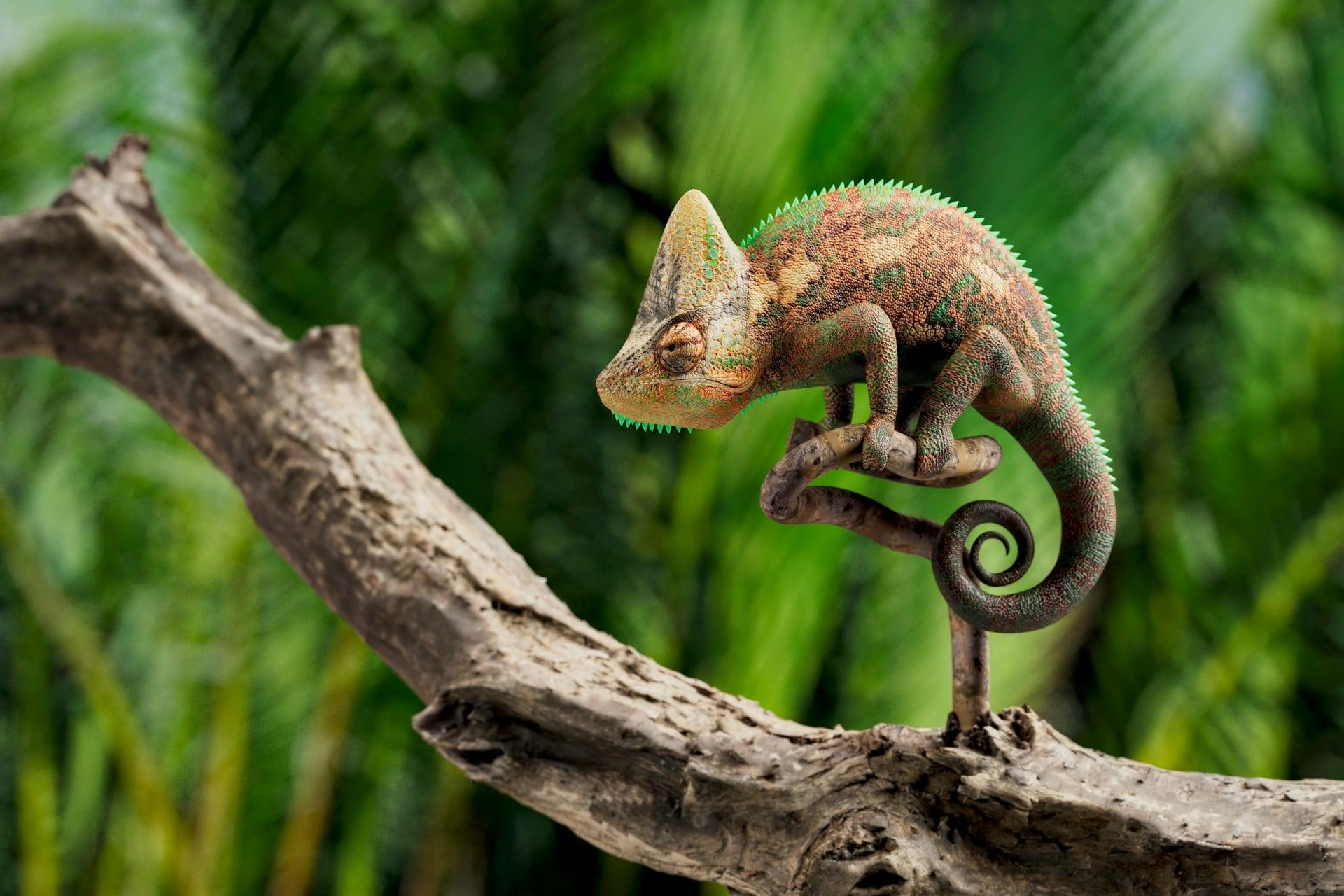
The Color-Changing Lizard and Its Communication
Chameleons’ iconic ability to change skin color isn’t just for blending in. They also communicate by shifting hues, expressing emotions or states.
This complex color change helps them attract mates or protect themselves from predators.