One room, one door, one window
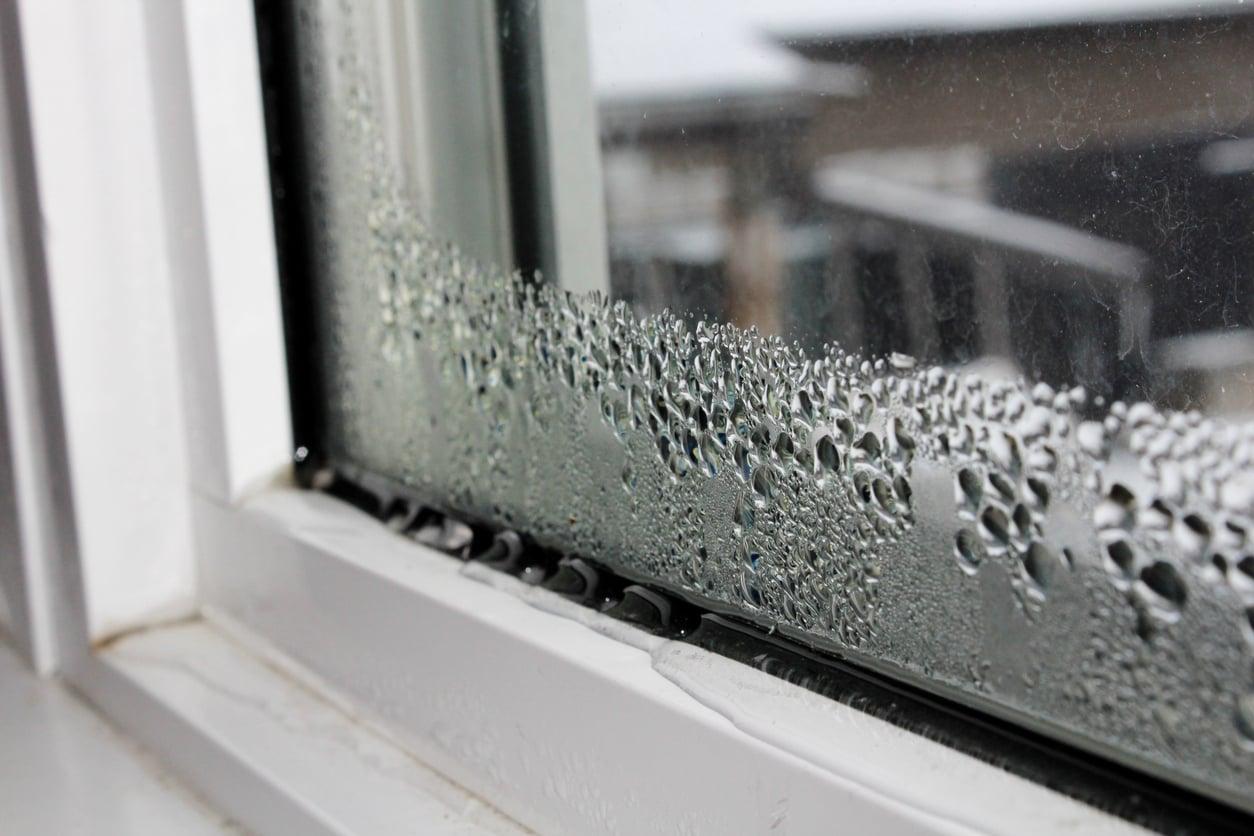
The principle that changes everything is containment. Pick a single room for drying — a spare bedroom, the bathroom, the end of the kitchen — and keep the door shut so the moisture does not wander the whole flat. Then give that room a way out for the damp air: a window on the smallest vent setting, a trickle vent open, or an extractor fan running.
This feels wrong in winter. You are heating a room and opening a window in it. But damp air is harder and more expensive to heat than dry air, and a room with gentle ventilation will reach a comfortable temperature faster than one filled with wet washing. Fifteen minutes of proper cross-ventilation in the morning — windows open wide, doors open, then everything shut again — does more good than leaving one window ajar all day.
What actually helps, and what makes it worse
A dehumidifier in the drying room is the single most effective addition if you can run one, because it collects the moisture in a tank rather than donating it to your walls. Heated airers are the other genuine upgrade: they use modest power, and with a cover thrown over the top they create a warm column of moving air that dries a load overnight. A small fan pointed at an ordinary rack is a cheaper version of the same idea — movement matters more than heat.