"When their loved ones die, women cut off a finger" – the 10 wildest tribal rituals.
Striking ceremonies of indigenous peoples that give us chills.
Bullet Ants
The Sateré-Mawé tribe lives in the Amazon jungle, and their rite of passage into manhood is one of the toughest. Elders place stunned bullet ants inside a glove with their stingers facing inward. Boys as young as 12 must insert their hands for ten minutes while the ants sting them. The pain is intense, but the boys must stay silent and still, enduring the agony without flinching. The stings can cause trembling and temporary paralysis lasting up to 24 hours! And it’s not a one-time test—they must go through this at least twenty times. To show how brutal it is, when a member of an American documentary crew tried it, he screamed within seconds and had to be rushed to the hospital, where he stayed for two days.
Men’s Beauty Contest
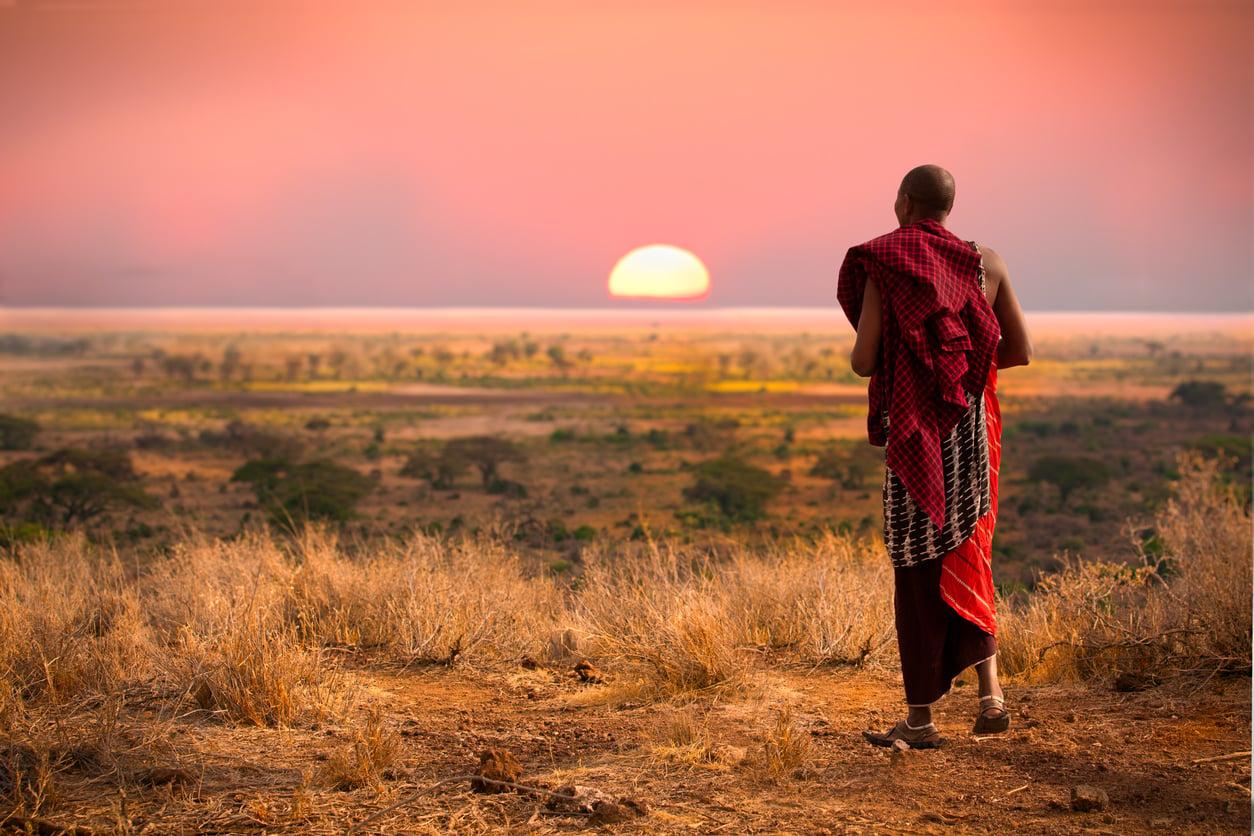
The Wodaabe tribe in Africa has a unique way for women to choose their partners. During the Gerewol festival, men dress up with makeup and jewelry, parading like contestants in a beauty pageant. The women then pick their future husbands from among them.
Wolf Tooth
The Balinese tribe practices "mesangih," a ritual tooth filing. Young people file down their sharp canine teeth, which symbolize youth. Smoothing the "wolf tooth" marks their passage into adulthood, leaving behind "animalistic" traits like greed, anger, desire, and jealousy.
Whip
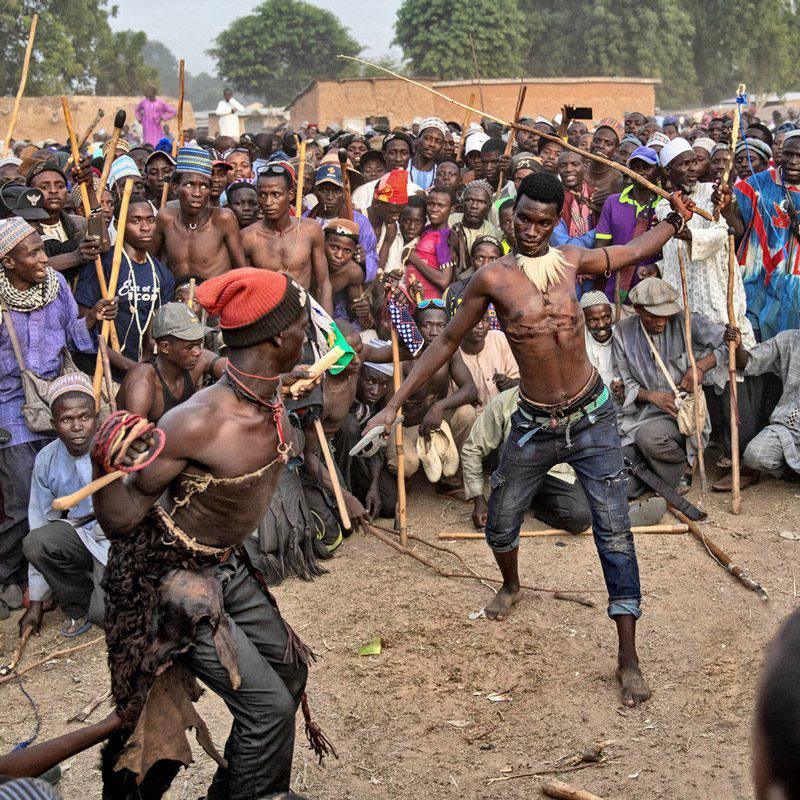
In West Africa’s Fulani tribe, becoming a man isn’t easy. During the Sharo ceremony, young boys are publicly whipped and humiliated in front of the entire tribe, while their families watch. This ritual proves they can endure pain without showing emotion and are ready to join manhood.
Death Leap
On an island in Pentecost, Vanuatu, the "Naghol" ceremony takes place every spring. Often called the precursor to bungee jumping, men tie vines around their ankles and jump from towers 10-15 meters (33-49 feet) high. This tests their courage and is believed to ensure a bountiful yam harvest. The vine ropes don’t always hold, and serious injuries sometimes occur.
The Sun Dance
Some Native American tribes practice the Sun Dance, where men—and sometimes women—pierce their chest or back skin and hang from wooden poles. Suspended in the air, they gaze at the sun, hoping to receive a vision.
"Beautiful" Scars
The Kanigara tribe in Papua New Guinea marks boys from childhood to manhood with artistic scars. These scars form beautiful patterns and are strictly forbidden for women.
Day of the Dead
The Toraja people of Indonesia dig up their buried loved ones every few years. They wash the mummified, skeletonized bodies and dress them in fresh clothes. This ceremony keeps the family’s close bond with their ancestors alive.
Cannibalism
The Wari tribe in Brazil consumes their deceased members as a final sign of respect. Similarly, the Yanomami tribe eats the ashes of their dead to keep their spirits alive within them.
Disappearing Fingers
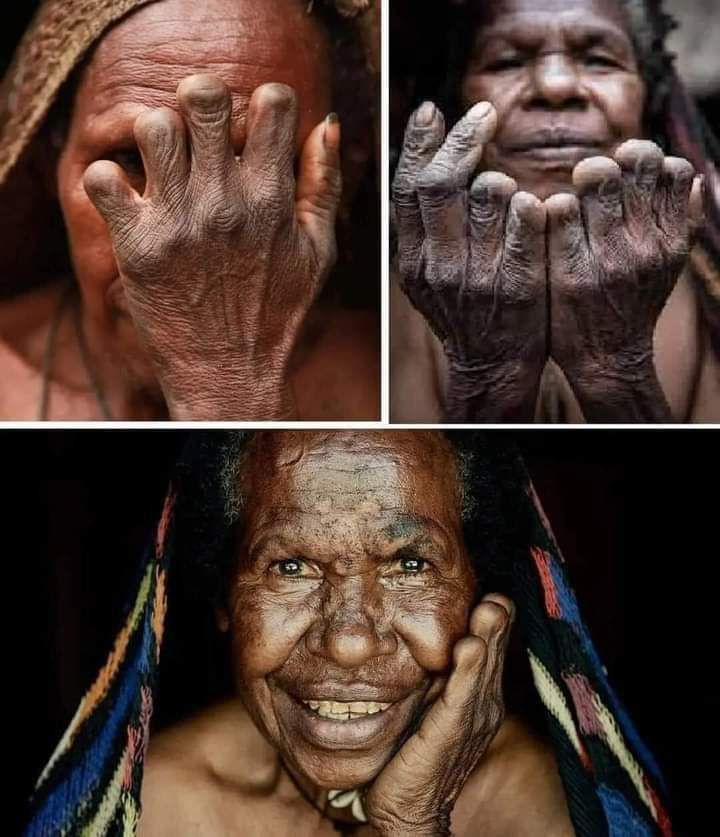
In Indonesia, the Dani tribe’s women mourn in an extreme way: each time a loved one dies, they must cut off a fingertip. This physical pain reflects the deep sorrow of loss. The ritual is most visible on older women, some of whom have only a few fingers left.