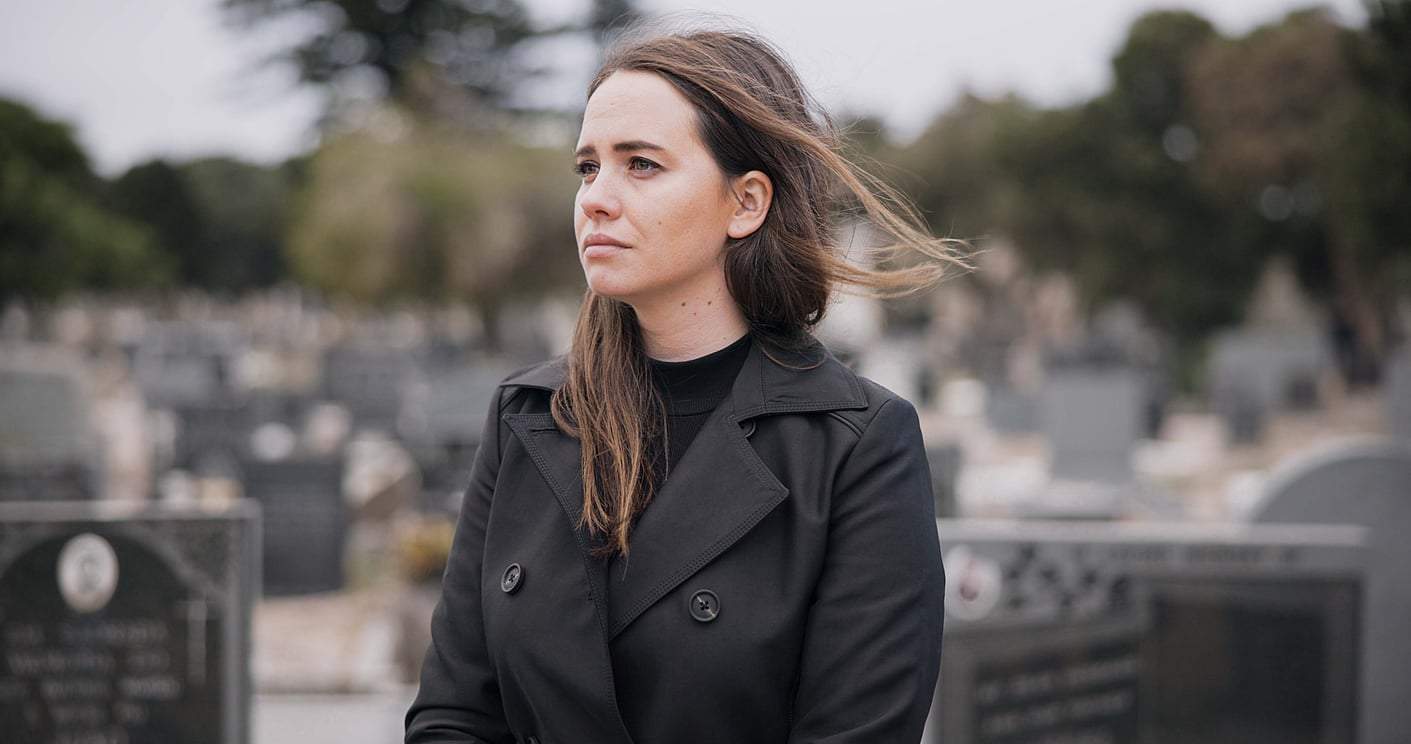
On Monday, many of us woke up feeling like the world around us had shifted just a bit. Some started the day with happiness, relief, and hope, while others faced heavier emotions. Grieving after events like these is completely normal—it’s a very real and valid emotional reaction. And it doesn’t have to be tied only to politics: a lost game, a setback, or even the pandemic period can trigger similar feelings. So, what causes this feeling, and how can we manage it well?
The campaign leading up to the election was anything but emotion-free: it sparked outrage in some, excitement in others, and often stirred feelings of helplessness, anger, stress, or hope. The past months have mobilized a wide range of emotions, especially in the final stretch. After such an intense period, it’s natural for the results to bring out different reactions. Some feel relief, while others experience it as a loss. Regardless of party politics, it’s worth exploring what happens inside us when the expected outcome doesn’t materialize.
What Does Grief Have to Do with Elections?
Grief naturally accompanies loss—and it’s not only about tangible things. While we often link it to losing a loved one, grief can also arise when a vision for the future, a hope, or a sense of security is shaken.
American psychotherapist Pauline Boss introduced the concept of ambiguous loss. This describes situations where the loss isn’t clear-cut or tangible—but still carries a very real emotional impact.
In these moments, people feel sadness, but their surroundings often don’t recognize it as “legitimate” grief.
Many experienced this during the pandemic: it wasn’t necessarily a specific thing lost, but our sense of safety, predictability, and control. A similar process can happen after elections too. Recent research shows that people often experience unfavorable political outcomes as a loss, especially when they strongly identified with a particular vision of the future.
One key finding is that it’s not just a political preference that’s lost, but the possibility of an imagined future. This helps explain feelings of helplessness, loss of control, confusion, or even anxiety. We’re not just reacting to an event—we’re responding to a shaken belief in the world’s predictability.
Though the source of loss isn’t a personal event but a broader social process, it still affects us deeply on a personal level.
Political grief often appears as an internal fracture, touching both individual security and the community we identify with.
After losses, these core beliefs are often questioned or even collapse. Adding to the strain is the fact that there’s no going back to the previous, ‘safe’ state. Grief, in this sense, is not only painful but also a process: it helps us reinterpret our experiences and gradually build a new worldview that includes what happened.
Social Impacts and Invisible Losses
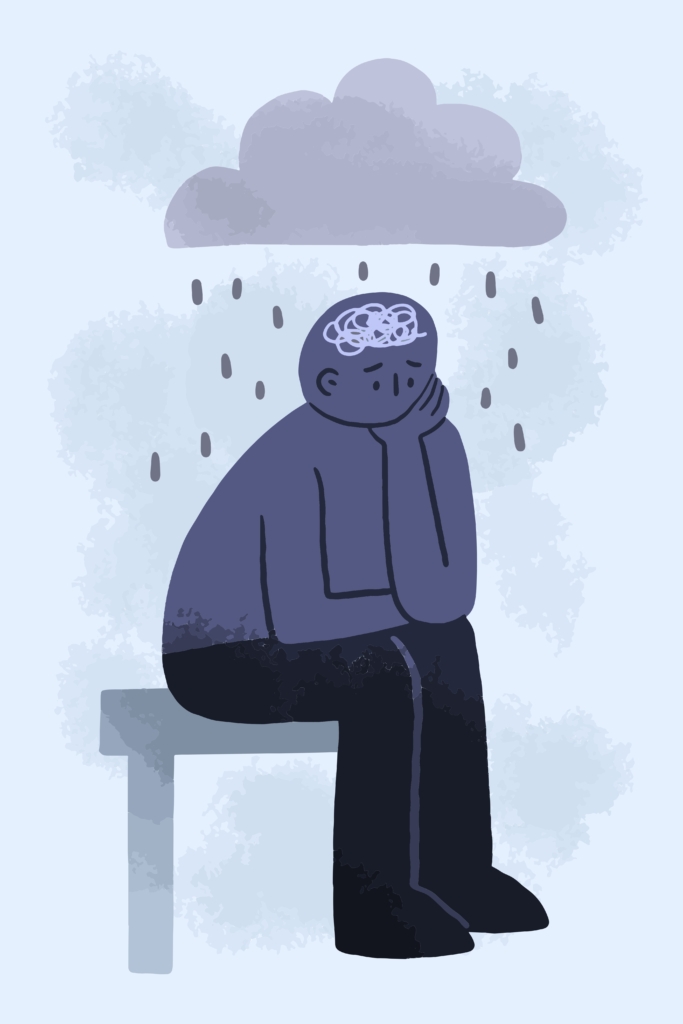
A 2022 study found this phenomenon affects us not only individually but also at community and societal levels. Many don’t even realize they’re grieving because no specific loss, like a death, occurred. This can be worsened by divisions within families—which are especially strong in many places—making it harder to turn to each other for support.
History shows us that such collective tensions can sometimes lead to joint actions and, in extreme cases, conflicts.
Polarization also plays a big role, amplifying every feeling. Political grief often comes with this division, and opposing sides may feel strong moral outrage toward each other’s views. (Moral outrage is a kind of anger that arises when we feel a fundamental moral norm—often fairness or justice—has been violated.)
These intense emotions often activate our body’s threat detection system, triggering defensive or aggressive responses. That’s why many experiencing political grief find it hard to connect with those who think differently. Trying to do so can feel like betraying the values that form the core of their identity and community belonging. So it’s not just opinions clashing, but core values and senses of justice, making dialogue tougher. Some respond to loss by arguing, others avoid the news, some become indifferent, or simply adapt to their environment to avoid conflict. These are all natural responses.
What Can You Do About It?
First and foremost: don’t dismiss what you’re feeling. Even if it’s not a “classic” loss, your reaction to a larger, uncontrollable process is completely valid.
- Regain a sense of control by focusing on activities where you have influence: cooking, exercise, tidying up, or spending time with others. These small actions can be steady anchors.
- Set limits on news consumption to avoid constant stress. You don’t have to cut it out completely, but putting boundaries helps.
- Talk about it—but in a safe space. Who you talk to and how matters. Supportive conversations help process feelings, while tense debates often make things harder.
- Allow yourself to process slowly. Grief doesn’t disappear overnight. It can come in waves, and that’s perfectly okay.
Can You Build Your Tolerance for Uncertainty?
Yes—and it’s one of the most valuable skills for the long haul. Not just in politics, but in life overall. Psychology suggests it helps to intentionally “train” yourself to handle uncertainty. Examples include:
- improvisational activities like theater or dance,
- listening to jazz music, which thrives on spontaneity,
- or trying new situations where you don’t have full control.
This isn’t about loving uncertainty, but about being less shaken by it and feeling less anxious over time.
Experts also highlight that a key to processing is recognizing our shared human experience despite differences—that the feeling of loss is real on both sides, even if for different reasons.