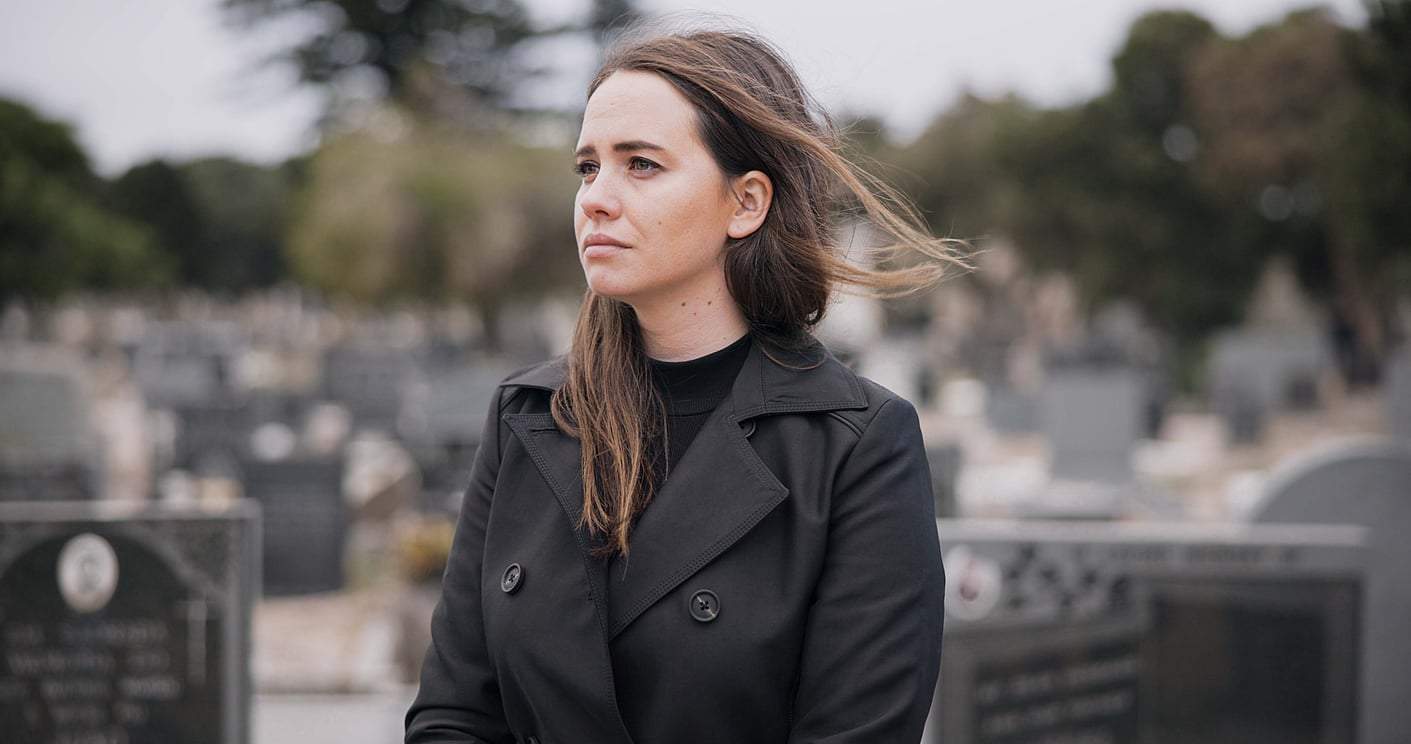
This kind of goodbye doesn't begin in a hospital room. It begins in the quiet moments — unanswered calls, hidden bottles, promises broken so many times they've stopped meaning anything. It's a slow, grinding loss that can stretch on for years, and one of the cruelest parts is that you're expected to grieve in silence, because the person you're losing is still alive.
The stranger behind a familiar face
When someone close to you is caught in the grip of addiction — alcohol, substances, or anything else that rewires who they are — you gradually stop recognizing them. The illness doesn't announce itself. It quietly replaces kindness with manipulation, honesty with an endless cycle of lies.
You find yourself asking where the person you loved ends and the damage begins. Rationally, you might understand that the hurtful behavior is a symptom of the disease. But understanding something intellectually doesn't stop it from leaving a mark. Every time the phone only rings when they need money or a rescue, something inside you closes a little more.
When anger is the most honest thing you feel
We're often told — sometimes gently, sometimes not — that you can't be angry at someone who is sick. But that expectation, however well-meaning, can become its own kind of trap.
You are allowed to be angry. Angry that someone you love is not only destroying their own life, but exhausting the last reserves of the people around them — elderly parents, partners, children — who have given everything they have.
It's completely reasonable to feel the tension of watching someone accept every easy solution handed to them on a plate, while refusing even the smallest step toward getting better. That anger isn't cruelty. It's the last line of defense against helplessness.
And alongside the anger comes guilt — because you want to do more, and at the same time you desperately want to walk away and finally breathe again. Holding both of those feelings at once is exhausting in a way that's almost impossible to explain to someone who hasn't lived it.
This is what's sometimes called ambiguous loss or anticipatory grief — a slow, thread-by-thread unraveling that can go on for years or even decades. You mourn the plans that never happen, the conversations that no longer make sense, and the steady, reliable presence this person once was in your life.
Why this grief can feel harder than death itself
As painful as losing someone to death is, there is a particular weight to this kind of loss that many people find even harder to carry. The person is still here. They still call. They still make demands, try to pull strings, and — whether they mean to or not — keep dismantling the shared memories you're trying to hold onto.
You look at them and see a face you've known your whole life, but the eyes behind it belong to someone else now. That duality — loving who they were while grieving who they've become — wears a person down in ways that are hard to name and even harder to heal.
Distance can be an act of love
One of the hardest truths in all of this is that your sacrifice will not save them. Running yourself into the ground trying to help does not make them more likely to recover. It only guarantees that you go down with them.
Allowing yourself to step back — to hold them at a safe distance, to let go of their hand for the sake of your own survival — is not abandonment. It's one of the most painful and most necessary things you can do.
Feeling angry at someone's deathbed is not a sin. It's a cry for help — a sign that you still care deeply, and that what you're witnessing is breaking your heart.
But you are also allowed to protect yourself. You are allowed to accept that you are not all-powerful. Choosing your own life is not a betrayal. This story doesn't have to be beautiful, because there is nothing beautiful about watching destruction happen in slow motion.
The grief and the anger will likely not leave cleanly or gracefully. Maybe the goal isn't forgiveness — not yet, maybe not ever. Maybe the goal is simply to reclaim your own days. To give yourself permission to keep living, even when the person you love can't or won't do the same. That is not a betrayal. It may be the only sane decision you have left to make.