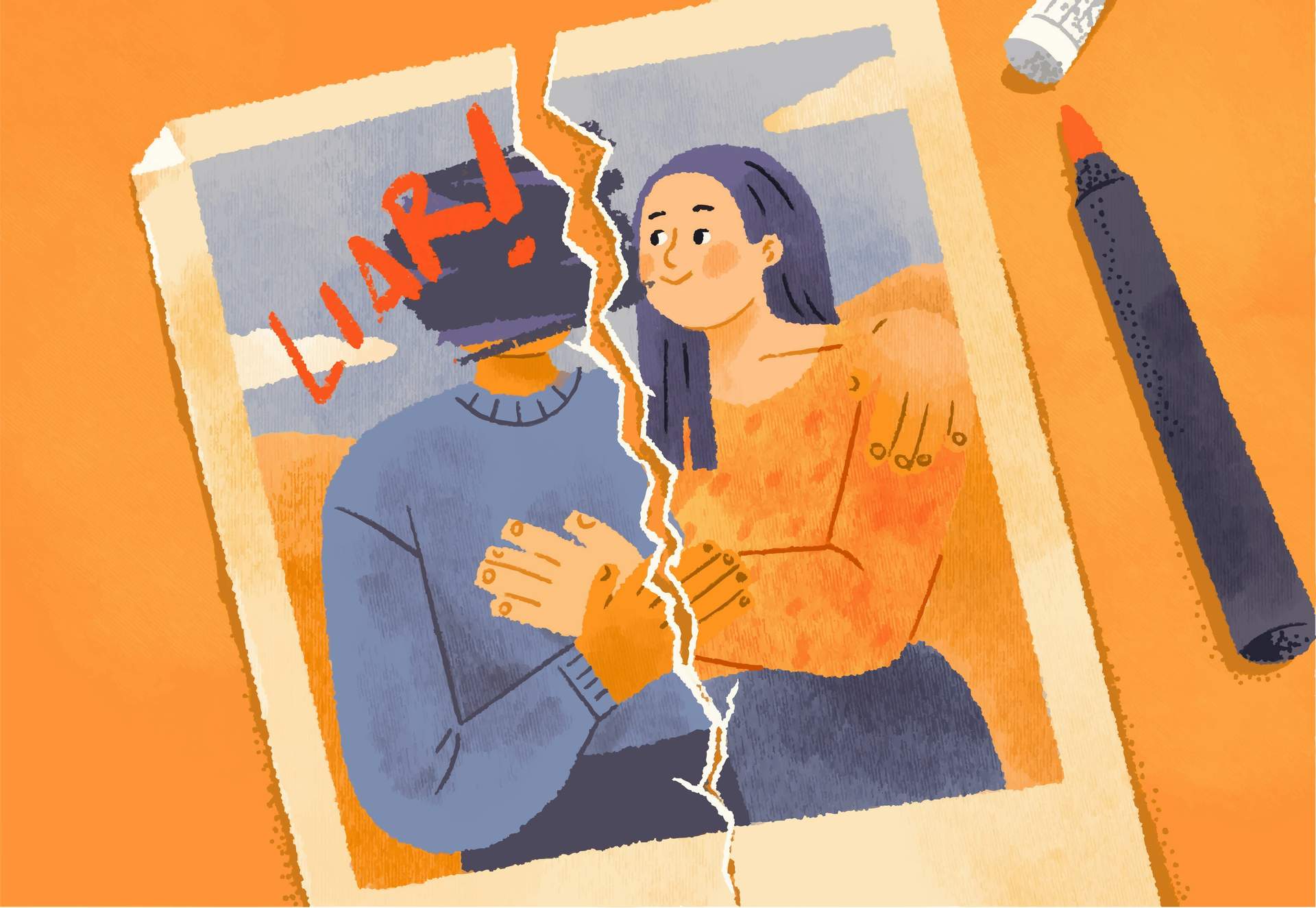
There are questions families whisper about but rarely say out loud. One of the hardest: how long do you stand by someone you love while they destroy themselves? Not in a dramatic, sudden way — but slowly, glass by glass, year after year.
This is the reality for hundreds of thousands of families living in the shadow of alcoholism. And yet, somehow, it remains one of the most misunderstood and under-discussed struggles in modern life.
A pattern passed down in silence
Alcohol has a way of weaving itself into family history so quietly that you barely notice it until it's everywhere. Estimates suggest that close to a million people in Hungary alone struggle with alcohol dependency — and behind each of those people stands a family absorbing the damage.
Part of the problem is cultural. For generations, drinking has been framed as social glue — something festive, communal, even masculine. Many of us grew up watching adults pour freely at every gathering, with no one ever drawing a clear line between celebration and dependency. Nobody taught us where the party ends and the addiction begins.
I have my own version of this story. A relative who left too soon, two children left behind. It was only years later, in honest conversations with a cousin, that I understood how deeply this pattern had threaded itself through our family — quietly, across generations, almost invisibly.
When care becomes cover
Right now, I'm watching it happen again. A man I consider family — someone I love like a relative — has been fighting his demons for decades. Or rather, not fighting them. Still refusing to admit there's anything to fight.
And around him, everyone who loves him is exhausting themselves trying to keep him afloat. They make excuses. They smooth things over. They absorb the chaos so the outside world doesn't see the full picture. It comes from a place of deep love — but it has quietly become something else.
Medical science is unambiguous: alcohol is one of the most destructive substances known to medicine, causing damage at a cellular level throughout the body. And yet socially, we treat it with a leniency we'd never extend to other drugs.
That gap — between what we know and how we behave — is exactly where denial thrives. When the people around an alcoholic consistently treat the problem as a minor stumble rather than a crisis, they inadvertently confirm the lie the addiction is already telling.
The silent grief of aging parents
The part that breaks my heart most is what's happening in the background, out of sight. His elderly parents — people I care for deeply — are not living out their later years in the peace they deserve. Instead, their days are shadowed by a specific, exhausting terror: the fear that any morning could be the one they get the call.
They would give anything to protect him. They already have. They've sacrificed their own comfort, their own rest, their own peace of mind. But this kind of over-protection doesn't heal — it insulates. It wraps the person in a comfortable buffer that removes any real pressure to change.
Addiction is never just one person's struggle. It becomes the family's shared weight — the constant low hum of fear, the guilt that never fully lifts, the desperate searching through old memories for the moment it all went wrong. And the painful truth is that in most cases, the family didn't pour the drink. They're not the ones holding the glass.
If you're also navigating a relationship with someone who struggles with alcohol, understanding how addiction actually develops can help shift the weight of misplaced guilt.
Love is not the same as enabling
Here's the uncomfortable truth that took me a long time to accept: every time we rescue someone from the consequences of their drinking, we take away their reason to stop.
When we cover their debts, smooth over their conflicts, make excuses to friends and employers, and hide the severity of the situation — we're not helping them. We're helping the addiction. We're making it easier for the disease to continue undisturbed.
An alcoholic is not simply someone with weak willpower. Alcohol use disorder is a serious mental and physical illness — one that distorts perception, erodes judgment, and makes denial feel like self-protection. Understanding this matters. But understanding it doesn't mean absorbing every consequence on their behalf.
"I don't see a way out of this. I watch from the outside — close enough to feel everything, too far away to change anything. I watch parental love and sibling loyalty override every rational boundary, while he steadily consumes the patience of everyone around him. I know this is what addiction does. And yet here I am, tolerating the intolerable — just like the rest of them."
The hardest form of love: drawing a line
The only real chance of breaking this cycle is setting boundaries that actually hold — even when it feels like a betrayal of love. Even when it looks cold from the outside. Even when every instinct says to step in and fix it.
That doesn't mean abandoning someone. It means refusing to participate in their decline. It means making the consequences of their choices visible rather than invisible. It means saying, clearly and with love: I will not help you disappear.
The question that haunts me — and maybe haunts you too, if you're in this situation — is whether we act in time. The long shadow alcoholism casts over families doesn't lift on its own. Someone has to decide to stop pretending everything is fine.
Is it already too late? Or is there still something left worth saving? That's the question no one in this situation can stop asking — and the one that deserves an honest answer, no matter how difficult it is to face.