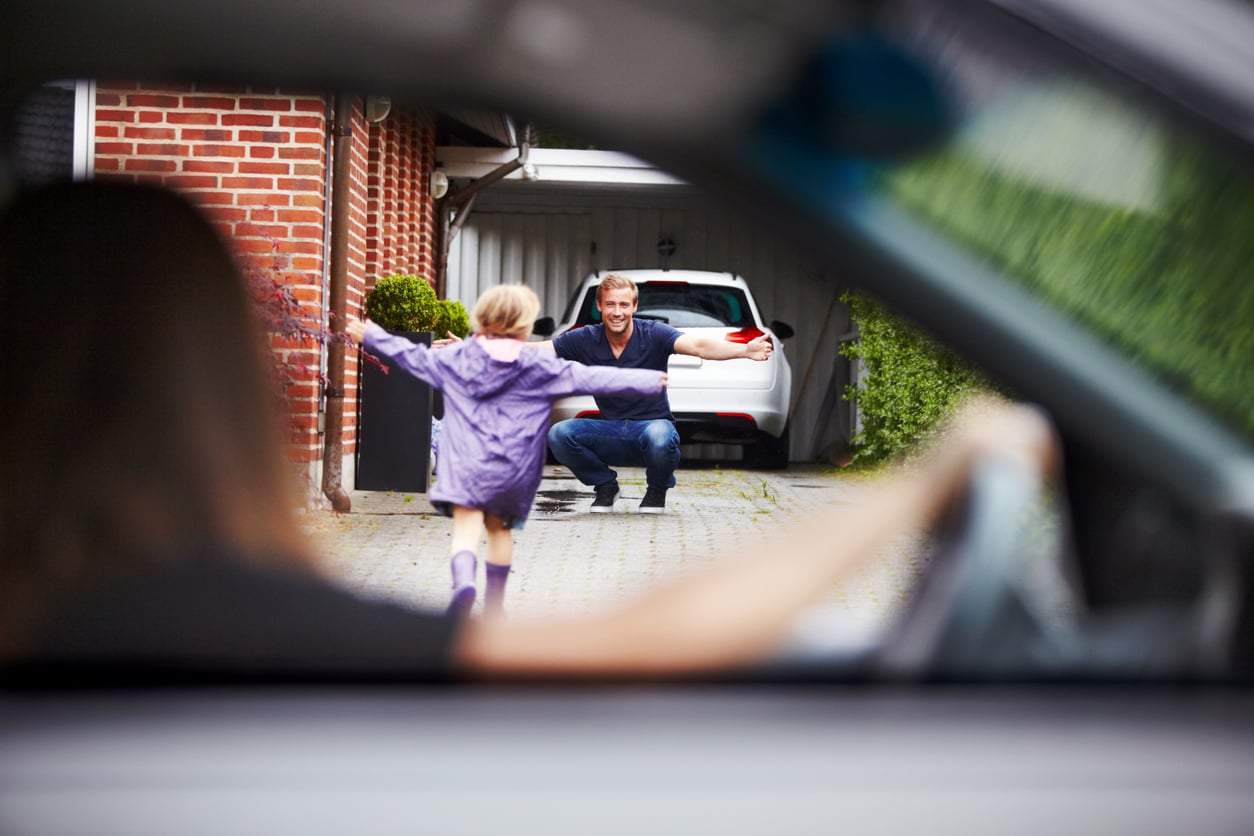
It hits out of nowhere. One summer, your child is splashing around next to you without a care in the world — and the next, they'd rather do anything than be seen at the beach with their own family. If that moment has landed in your house, you're not alone, and it doesn't mean something has gone wrong.
Why preteens suddenly want nothing to do with family outings
When kids are small, the beach is pure magic — freedom, water, ice cream, and the people they love most all in one place. But somewhere around 11 or 12, something shifts. They're entering the preteen years, and with that comes a powerful, instinctive drive toward independence.
This isn't rebellion. It isn't a sign that they love you less. It's a completely natural part of growing up — one of the first visible signs that they're starting to build their own identity, separate from the family unit.
What's actually going on inside their head
The preteen brain is doing a lot of heavy lifting. Body changes, emotional intensity, and a brand-new awareness of how others perceive them all collide at once. Suddenly, everything feels high-stakes — especially anything that could be witnessed by peers.
Being spotted at the beach with mum and dad, especially when friends might be nearby, can feel genuinely mortifying to a 12-year-old — even if they can't fully explain why.
This is the age of identity formation. They're figuring out who they are, what they like, and how they want to be seen by the world. Family beach trips — once a comfort — can start to feel like a threat to the carefully constructed image they're trying to project. The embarrassment is real to them, even when it seems baffling to you.
Understanding this doesn't make it hurt less, but it does make it easier to respond with patience rather than frustration.
How to actually handle it
The worst thing you can do is force it. Dragging a reluctant preteen to the beach and insisting everyone has fun is a recipe for misery all round. Instead, try this:
- Talk to them, not at them. Ask what feels uncomfortable. Listen without dismissing their feelings, even if they seem disproportionate.
- Offer a choice, not an ultimatum. Would they come for just part of the day? Would they feel better if a friend could join? Small concessions can make a big difference.
- Make them part of the planning. Ask them to suggest a family activity they'd actually enjoy. When kids have a say, they're far more likely to show up — and mean it.
The goal isn't to win the argument. It's to keep the connection alive while giving them the room they need to grow.
Time to get creative with family time
If the classic beach day has lost its appeal, that's actually an opportunity. Family time doesn't have to look the same as it did five years ago — and honestly, it probably shouldn't.
Think about activities that feel a little more exciting and a little less "family holiday from 2015." Water sports, adventure parks, paddleboarding, escape rooms — anything with a bit of novelty and energy can feel fresh enough to get a reluctant preteen on board. The shared experience is what matters, not the specific setting.
And if they still need some space? That's okay too. Don't force anything that makes either of you uncomfortable. The long game here is trust — making sure they always know that your family is a safe place, no matter how much they grow or change.
The beach phase will pass. What lasts is how you handled it.