There’s something unique about Easter that felt natural as a kid but seems stranger as we grow up. Like how boys go sprinkling and receive chocolate, eggs, and even money in many places. Meanwhile, girls... give. They prepare, wait, offer, and smile. And somehow, that’s just how it’s done. But if you pause for a moment and ask why, it’s not so clear anymore.
Why Do Boys Receive Gifts?
The Easter sprinkling tradition originally was a fertility ritual. The water used to sprinkle the girls symbolized renewal, cleansing, and fertility. “Watering” the girls was a wish for health, beauty, and blossoming. In return, girls gave eggs, also symbols of life and rebirth. So it was originally a mutual, symbolic exchange. But over time, this balance shifted. Sprinkling became a “program,” and gifts turned into rewards. Boys go, recite a poem, and receive something. Girls often become more like “participants” in the ritual.

Gift or Expectation?
In many families, it’s no longer a question what to give. Chocolate, painted eggs, maybe money. In some places, it’s almost expected. And that’s where things get really interesting.
Because what started as a kind gesture often turns into an expectation.
Sprinkling doesn’t always come across as a sweet attention but more like a mandatory ritual. Girls prepare gifts to give, boys go “collecting.” And rarely do we ask if this still reflects the original meaning?

The “Roles” We Don’t Even Notice
Easter traditions strongly reflect classic gender roles. Boys are active—they go, ask, and “earn.” Girls are more passive—they wait, give, and accept the situation. As kids, it feels playful. As adults, we sense these patterns run deeper—who initiates, who gives, who receives, who adapts. And while it’s just an holiday custom, it still mirrors how the world around us works.

Money at Easter? When Did It Become a “Business”?
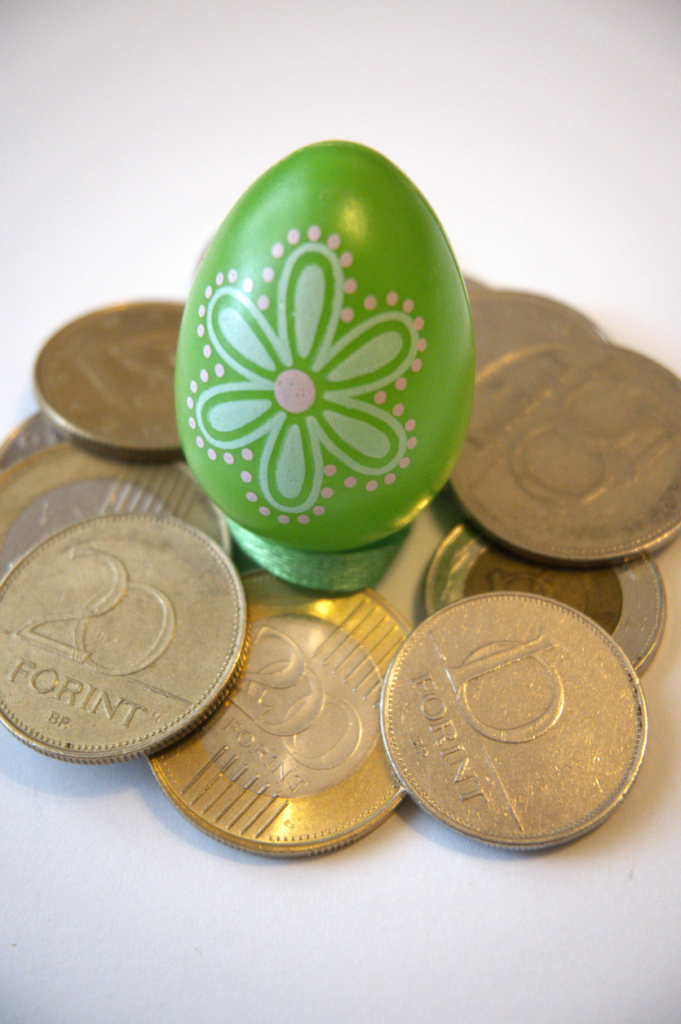
One of the most interesting changes is that alongside or instead of eggs and chocolate, money is given in many places. It’s like the tradition got a “modern upgrade.” But with that, the whole situation shifts. Value replaces the gesture. How much someone got, where the “round” was better. Sprinkling sometimes feels more like a mission than a kind tradition. And the part that made it meaningful in the first place gets lost.
And What Do the Girls Receive?
This might be the most fascinating question. Formally, girls also “receive” something: attention, sprinkling, presence. But this is not the same as a tangible gift. More and more, there’s a desire for balance. So giving isn’t one-sided. Girls aren’t just “participants” but active creators of the tradition. This isn’t against tradition but a fresh way to rethink it.

More Than Gifts – The True Spirit of Easter
Behind the quirky rules of Easter gifting lies so much more than meets the eye. Yes, it can feel one-sided sometimes, or slip into expectations and comparisons of “who got what.” But in a loving, healthy family, this holiday is about so much more. The shared preparations. The messy egg painting. The funny, often clumsy sprinkling poems. The playful, sometimes overly serious sprinkling moments that end in laughter. The conversations around the table, the scents, the time spent together.
What really matters is not who gets what, but that we do it together. That the holiday has a shared rhythm where everyone contributes attention, time, and care. These little experiences stick with us. That’s the heart of it! Kids don’t remember how much chocolate they got or if there was money in their pocket. They remember how it felt to prepare, laugh, and be together. And that feeling will live on in their own celebrations.