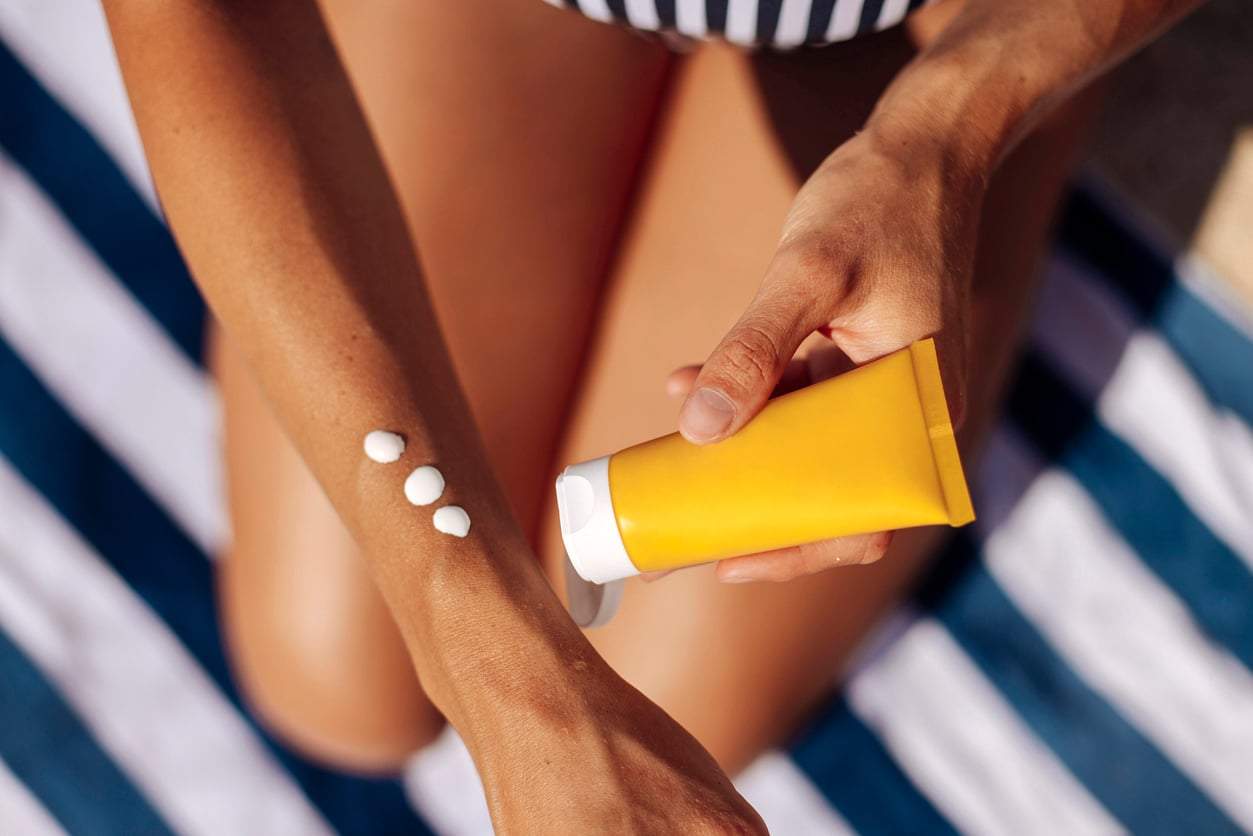
Sunscreen is a summer must-have—no one wants their skin to burn bright red or blister from intense sun exposure. We all know the long-term risks of UV damage, so protecting your skin is key. You might already have all the sunscreen tips memorized, but it’s just as important to understand what causes sunscreen to expire and why reaching for last year’s bottle can be risky.
The Risks of Expired Sunscreen — What Every Sun Lover Should Know
Many people try to save leftover sunscreen for the next season. While that sounds practical, it’s a risky move that can seriously harm your skin. Like all cosmetics, sunscreens have expiration dates, and ignoring them isn’t worth the risk.
One of the biggest dangers of using expired sunscreen is that it loses its protective power. You might hope it still works, but UV rays can freely damage your skin. This means a higher chance of sunburn, which can cause peeling, pain, and even long-term damage like skin cancer.
Oxygen and Heat: How They Break Down Your Sunscreen
Sunscreen breaks down due to several factors. Mainly, its active ingredients don’t hold up well when exposed to oxygen and heat over time. These elements cause oxidation and degradation, drastically reducing the product’s effectiveness.
If sunscreen is stored improperly—like left in a hot car or out in the sun at the beach—these damaging processes speed up. That’s why it’s crucial to keep sunscreen in a cool, shaded spot and tightly sealed after use.
How to Tell If Your Sunscreen Has Expired
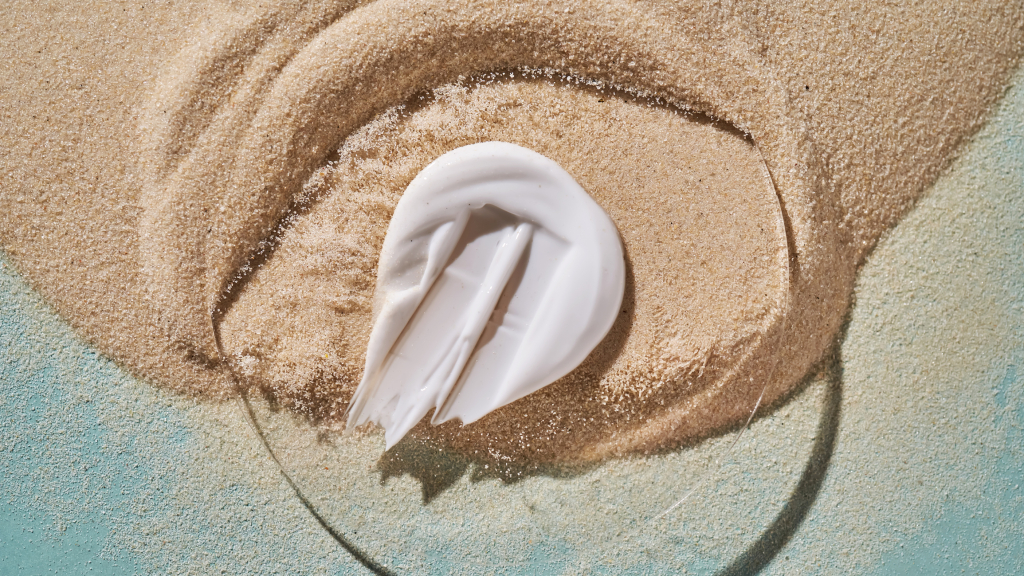
Manufacturers always print expiration dates on packaging, but over time these can fade or become unreadable. Before each use, check your sunscreen’s texture and smell carefully.
If the cream changes—clumps, separates, or smells off—it’s a clear sign the product isn’t safe to use anymore.
Knowing how your sunscreen normally looks and smells helps you spot changes early. If anything seems off, it’s best to buy a fresh bottle to keep your skin fully protected.
Last Year’s Sunscreen Isn’t Always Reliable
Many assume leftover sunscreen from last year is still good if it hasn’t been exposed to direct sun or extreme heat. But even then, it can lose effectiveness over time.
This is especially true if the tube has been opened. Once opened, oxygen gets inside and starts breaking down the ingredients. So, using last year’s sunscreen this summer might not offer the same protection it did when new.
Smart Skin Protection — Sunscreen Selection Tips
When buying sunscreen, keep a few golden rules in mind. First, always choose an SPF that matches your skin type and planned sun exposure. Fair skin usually needs higher SPF.
Don’t just focus on SPF—check the ingredients too. Avoid potential irritants or allergens. Always carry sunscreen with you to reapply regularly. This mindful approach helps minimize sun damage and keeps your skin healthy for the long haul.