Mulch now, while the soil still holds warmth
A layer of leaves laid over bare soil between shrubs and perennials does several jobs at once. It insulates roots against the sharpest frosts, stops winter rain compacting the surface into a crust, suppresses the weed seedlings that always appear in February, and quietly feeds the worms that drag it down for you. Aim for something like a hand's depth, kept clear of the crowns and stems of plants so nothing sits wet against them.
Shredding helps enormously. Run the mower over a pile on the lawn with the collector on and you get chopped leaf-and-grass confetti that breaks down in a fraction of the time and is far less likely to blow across next door's drive.
Pots, containers and the wildlife corner
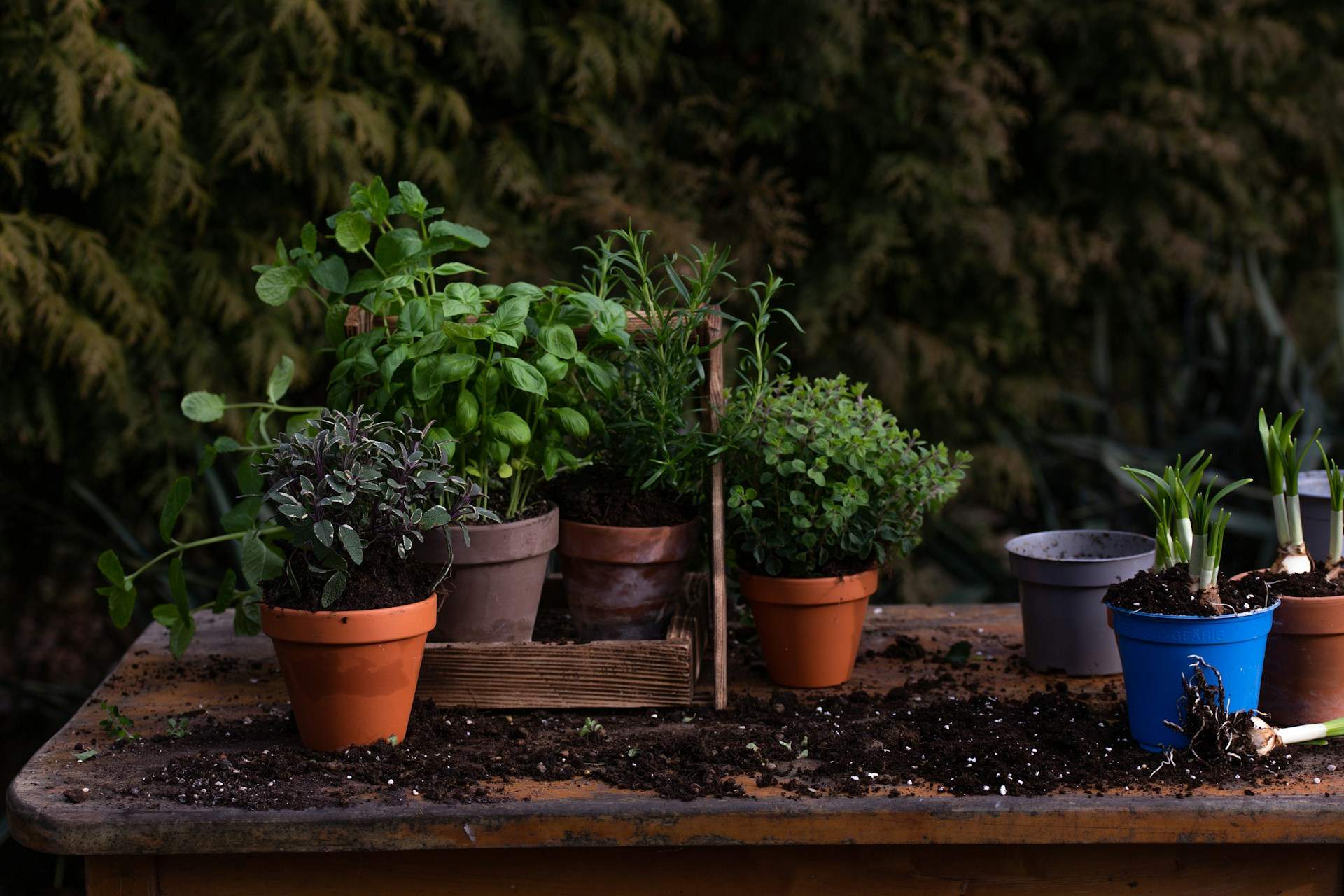
Balcony and patio gardeners get the least from autumn and need it most, because pots freeze from all sides. Packing dry leaves into the gap between a container and a slightly larger outer pot gives you cheap insulation that actually works. Leaves stuffed around the base of a tender plant, held in place with fleece or netting, do a similar job.
And leave one messy pile somewhere undisturbed. Hedgehogs, beetles, frogs and overwintering insects all use it, and the garden you get in spring — the one with fewer aphid explosions — is partly built in November by things that need somewhere to hide.