Name the faces while someone still can
The saddest box in most homes is the one full of photographs of people nobody can identify. Twenty minutes with a soft pencil and the back of each print solves a problem your grandchildren cannot solve at any price. If the photos are digital, use the album description or a simple text file listing who is in each shot.
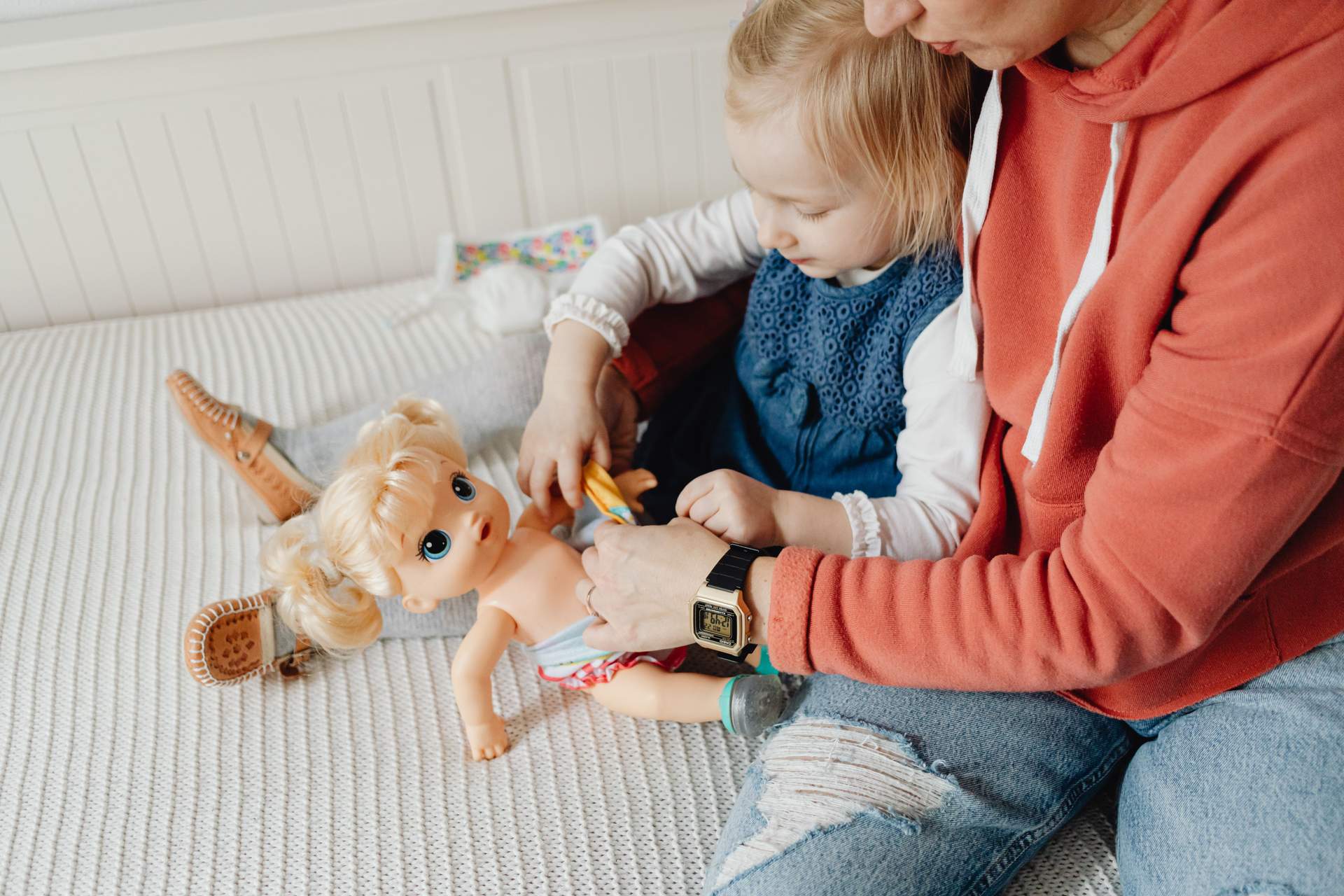
Do this with a child in the room if you can. Children are surprisingly good at it — they ask the blunt questions adults are too polite to ask, and they remember odd details for decades. My own memory of a great-aunt is entirely built from one afternoon of sorting photographs and being told she once refused to speak to her brother for a year over a dog.
Anchor a story to something you do, not something you store
Memory needs a hook in ordinary life or it becomes an archive nobody opens. Pick one repeatable thing: a dish cooked on a particular date, a walk to a particular bench, a song played on a birthday. When you do it, say the name of the person out loud and tell one story. One. Short. It does not need to be a ceremony.
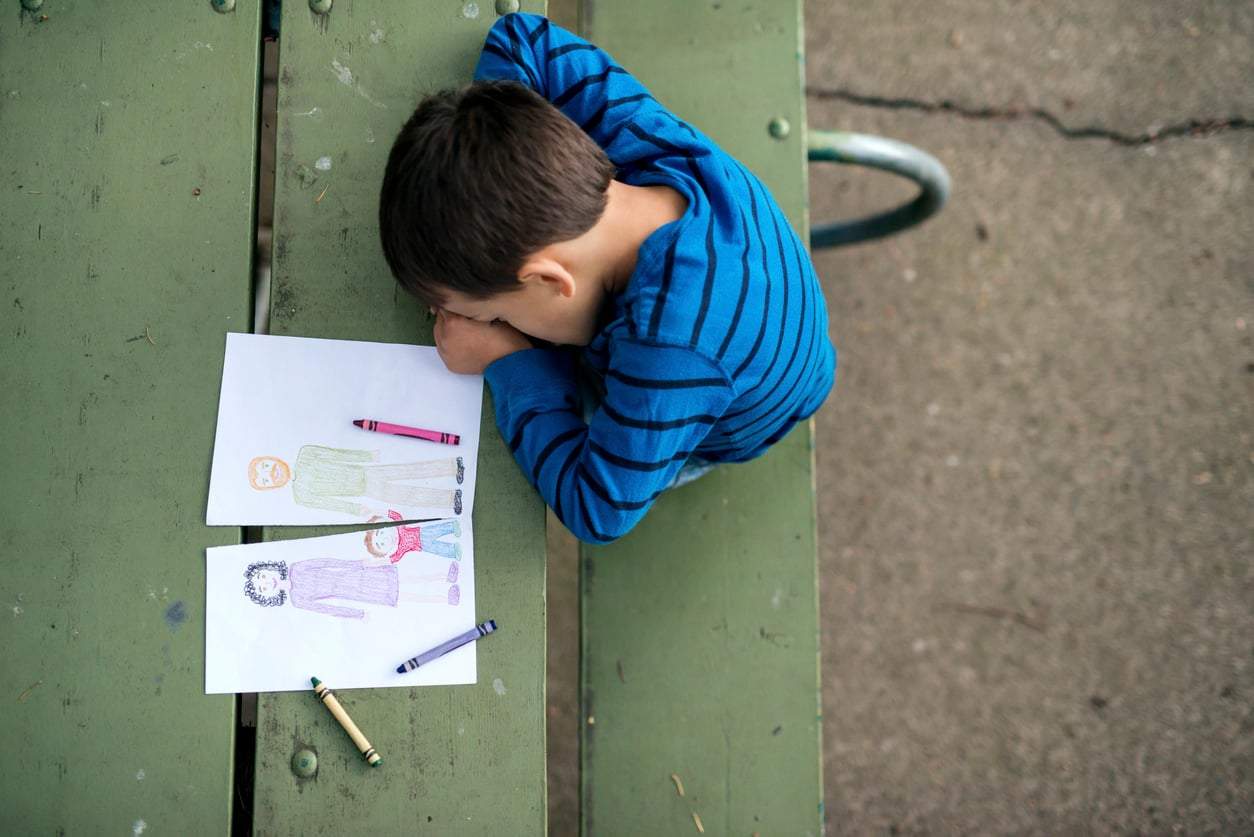
Children absorb this without effort. They learn that people who have died can still be spoken about warmly and casually, which is a far kinder inheritance than the household where a name makes everyone go quiet.