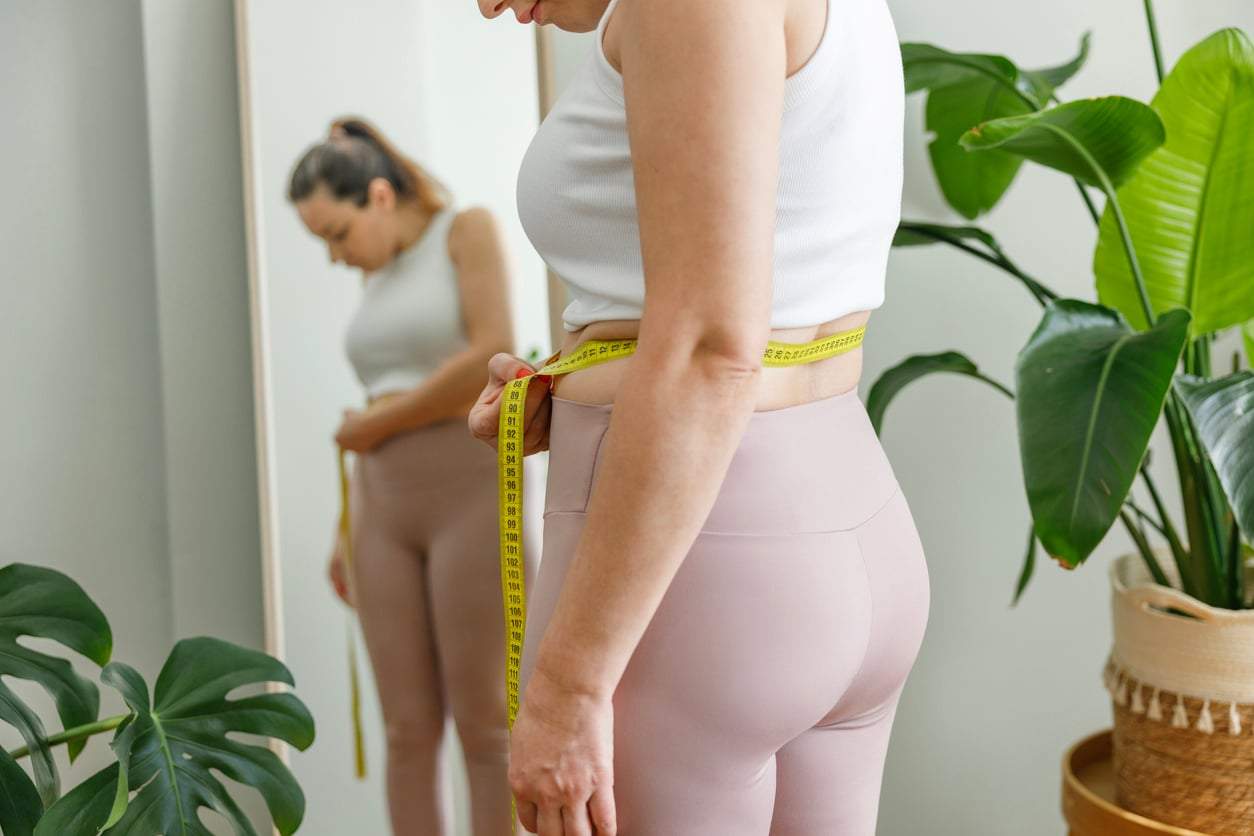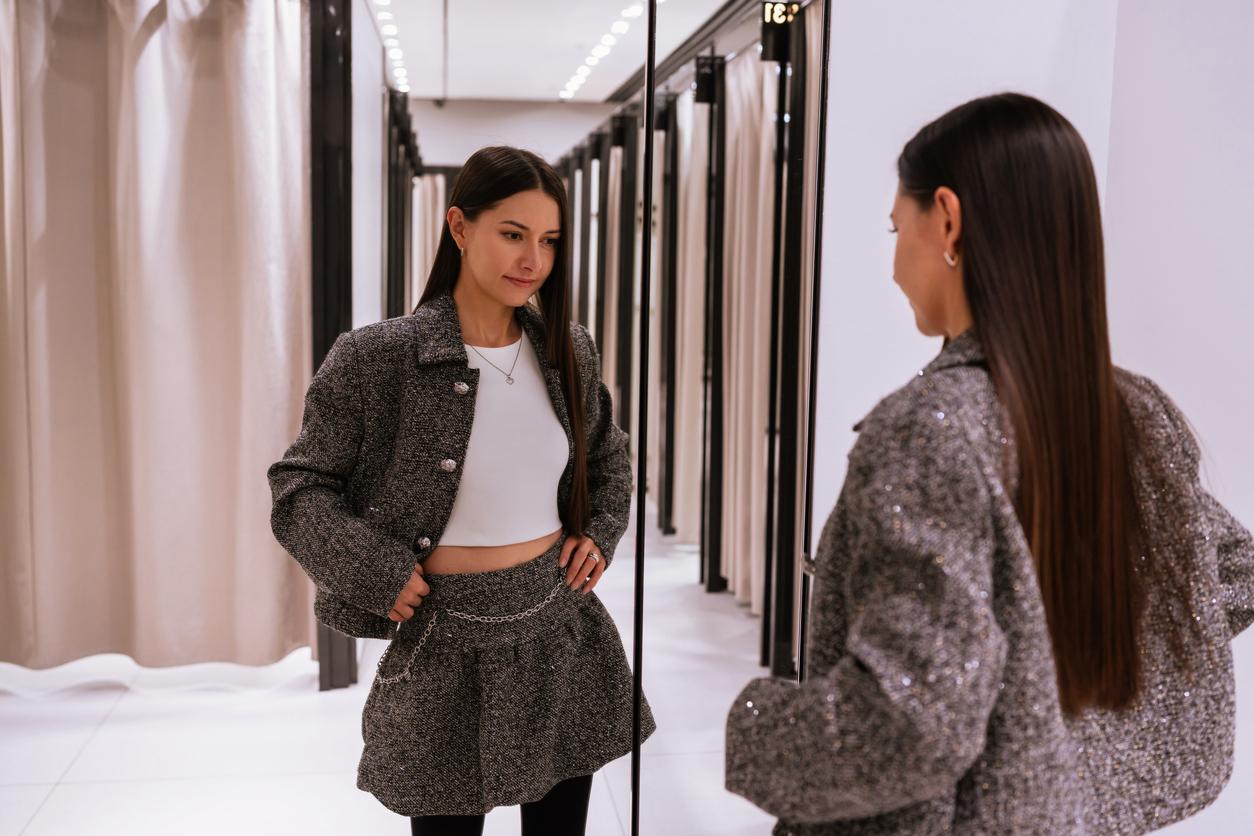
Shopping can be a fun escape for some and a necessary chore for others, but there’s one experience many of us share: the few square meters of a fitting room. Under harsh lights, standing before a mirror, we suddenly see ourselves in a completely different way than we do in our morning bathroom mirror. What started as a simple try-on can quickly turn into a critical inner monologue.
I’ve personally felt uncomfortable in this situation so many times that I often choose online shopping just to avoid that strange, tight feeling triggered by a poorly lit reflection. But is it really healthy to judge ourselves so harshly based on artificial lighting and unfamiliar cuts? Why can the same person, in the same body, feel perfectly fine one moment and then start spotting flaws where there might be none the next?
Lights, Mirrors, and Distorted Perspectives
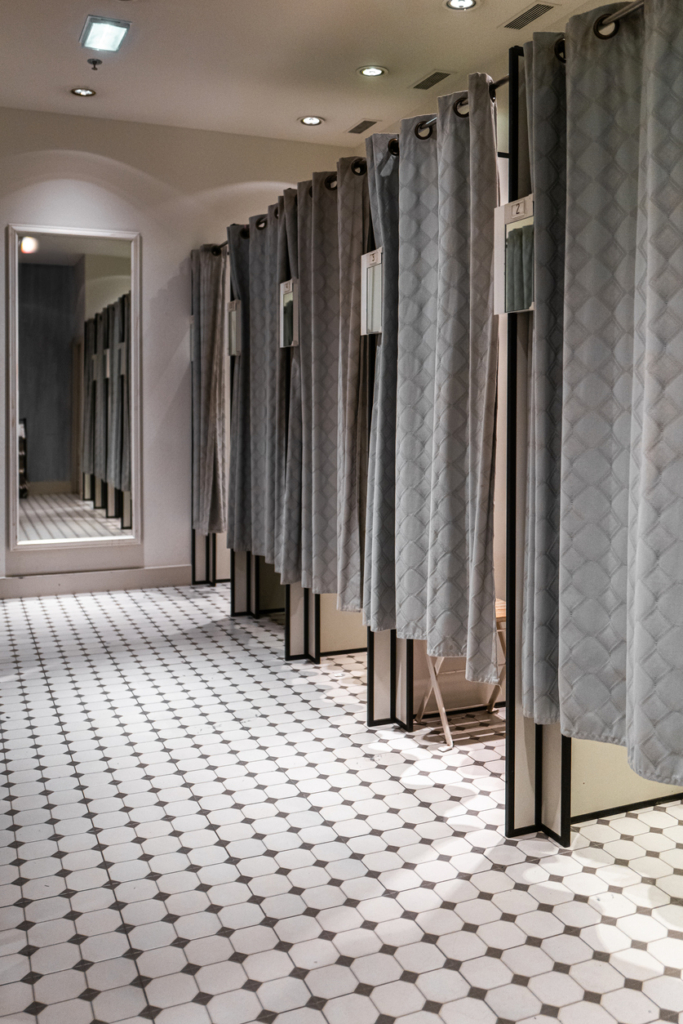
The fitting room is far from a neutral space, even if it seems that way at first. The lighting often comes from above, casting sharp shadows and highlighting details we wouldn’t notice in natural light. Plus, mirrors aren’t always perfectly flat surfaces.
Our bodies, usually dynamic and moving, suddenly freeze into a static image—seen from angles we rarely observe in daily life—making it easy to lose our usual sense of proportion.
On top of that, the clothes feel unfamiliar—they haven’t molded to our shape or become part of our movements yet. We tend to blame ourselves instead of the cut or fabric. A poorly fitting style can quickly turn into self-criticism, as if the problem isn’t the garment but that we aren’t "right" for it.
The Inner Voice of Self-Criticism
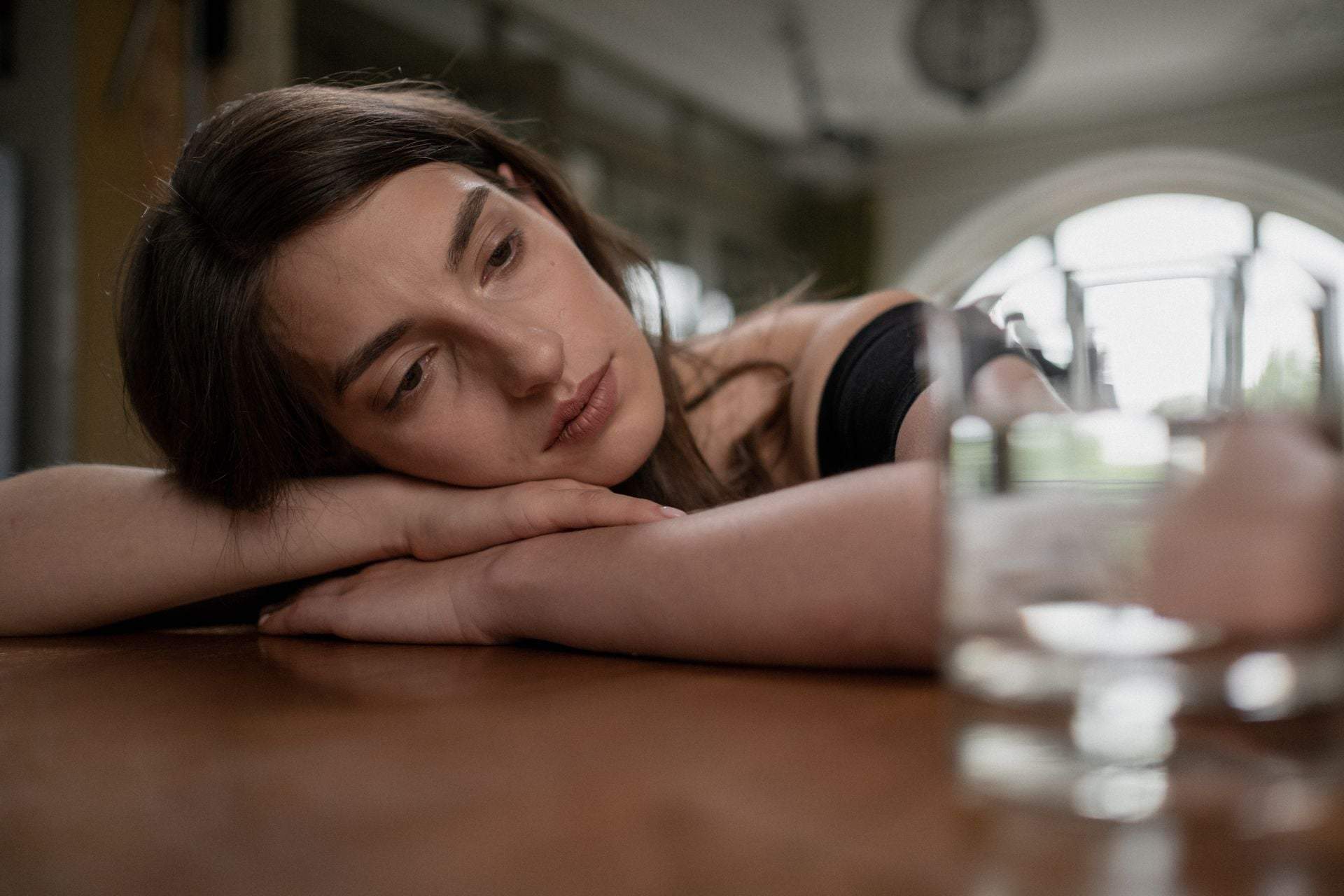
In the fitting room, we don’t just face our bodies—we also confront our inner voice, which can be surprisingly harsh. We live in a comparison culture, where carefully curated images on social media set standards that quietly seep into even the smallest moments.
Trying on clothes becomes less about how they fit and more about whether we fit into an imagined ideal—one no one may have ever demanded from us, yet we’ve taken it on ourselves. Then, the mirror doesn’t just reflect our image; it amplifies our insecurities, making it easy to believe that a few uncomfortable minutes reveal objective truths about us instead of a distorted moment.

Is the Body Really the Problem?
It’s worth asking whether the discomfort we feel in fitting rooms is truly about our bodies or more about the perspective from which we view them. Clothing sizes vary by brand, cuts are designed for different body types, and what looks perfect on a mannequin can appear very different on a real, moving person.
Still, we often tie our self-worth to a zipper closing or a fabric stretching, as if these moments pass judgment on us. It might be healthier to see these moments as information about the clothing, not about ourselves, recognizing that the image in the mirror is not always reality but often a mix of lighting, circumstances, and our own inner doubts.

When we realize this, the fitting room stops feeling like a judgment seat and becomes simply a space to choose clothes—not to judge ourselves. That’s probably why I developed a habit of leaning toward online shopping—it cuts out those few minutes of uncertainty fitting rooms often bring.
Lately, though, I feel like I wasn’t avoiding the situation but my own reaction to it. So now, I’m consciously trying to dial back online orders and return to traditional try-ons, even if they sometimes bring up uncomfortable feelings. Maybe fitting rooms aren’t really about trying on clothes—they’re about how we see ourselves.