Aging is natural and beautiful, and nothing’s cooler than embracing ourselves just as we are—inside and out. But let’s be honest, sometimes we’re just not quite ready to let nature take over with gray strands and fine lines. That’s exactly why hair dye was invented.
For those who have been coloring, highlighting, or tinting their hair for years, hair color is more than just a cosmetic choice. It’s part of a story we all connect with, preserving the beauty ideals of different eras within us.
From Ancient Times to the Modern Era
The history of hair coloring goes all the way back to ancient times. Egyptians used henna to cover gray hairs, while indigo and turmeric were common ingredients in their dyes. Later, Greeks and Romans colored their hair with plant extracts and experimented with lasting black dyes. Early materials were toxic, so hair dyeing methods evolved continuously over history.
Some sources say that in ancient Rome, prostitutes were required to have blonde hair, often achieved with wig-like solutions or mixtures made from ash or burnt seeds. Other cultures, like the Gauls and Saxons, used bright hair colors to mark status or intimidate opponents on the battlefield.
Red hair also has a special place in the genetics and history of hair color: the first documented natural redhead in Scotland lived during the Dark Ages, but redheads were once thought to be witches. It wasn’t until Queen Elizabeth I’s reign that red hair became more widely accepted.
1800s: The Chemistry Revolution
The real breakthrough in hair dyeing came in the 19th century. English chemist William Henry Perkin accidentally created the first synthetic dye, Mauveine, in 1863 while searching for a malaria cure. This purple shade laid the foundation for modern hair dyes and inspired the para-phenylenediamine (PPD) molecule still used today.
Early 20th Century: The Birth of Modern Hair Dye
In 1907, Eugène Schueller created the first commercial synthetic dye, Aureole, which later became the world-famous brand L’Oréal. This era also saw the introduction of hair coloring tools like the highlighting cap for lifting small strands.
The term “platinum blonde” was coined in 1931 when Howard Hughes popularized Jean Harlow’s hair color with the film Platinum Blonde. This idea quickly inspired women worldwide.
1950–1970: Hair Dye Goes Mainstream
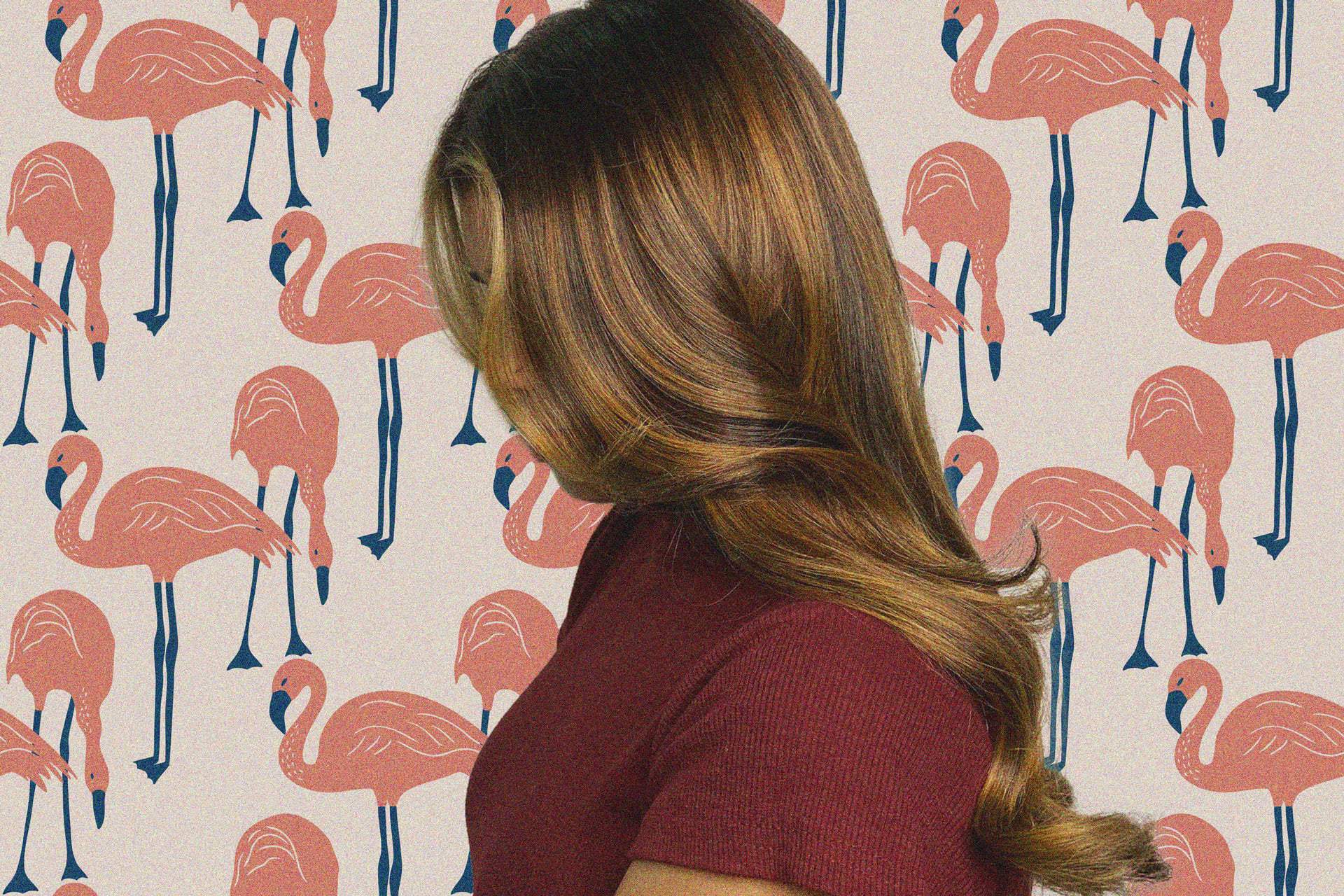
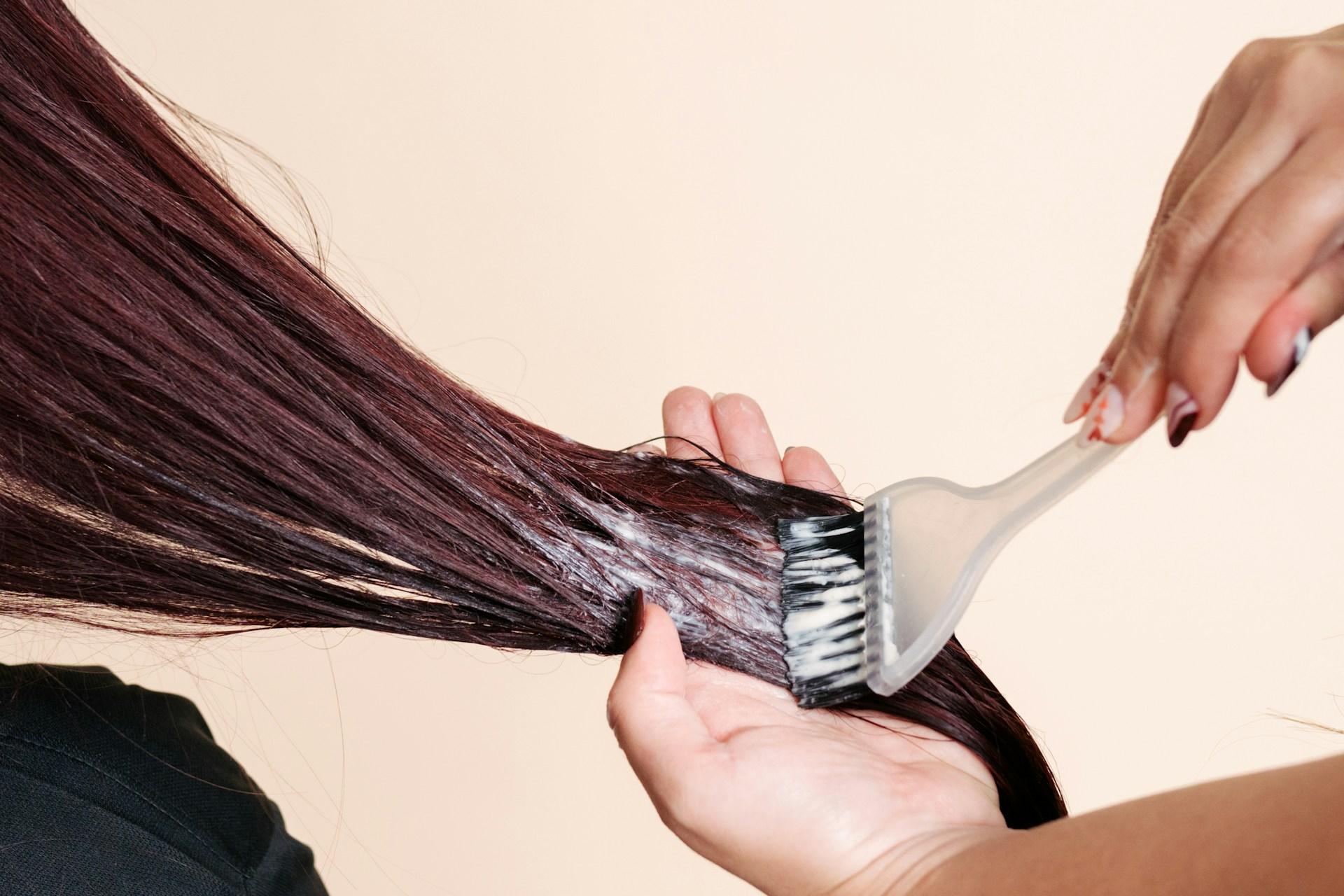
In 1950, Clairol introduced the first at-home, one-step hair dye that lightened hair without damage. From then on, hair coloring became more accessible. By the ’60s and ’70s, hair dyeing was completely normal, and new techniques like balayage emerged—offering a natural, sun-kissed look with low maintenance.
1980s: The Power of Celebrities
Hair color trends came straight from Hollywood. Heather Locklear and others promoted hair dyes in the ’80s, following the example from the ’30s when celebrity hair colors inspired many.
2010s: A Kaleidoscope of Colors
In 2014, Kylie Jenner jumped straight into bold colors, kicking off the “King Kylie” era with iconic turquoise tips. Between 2016 and 2018, trends sped up: pastel shades, rose gold, opal, and sun-kissed natural tones took turns, spreading fast on social media.
2020 to Today: Conscious Hair Color
During COVID, many dyed their hair at home out of necessity or creativity. Alongside, semi-permanent dyes and bold colors emerged. Today’s hair dyes are gentler on hair and scalp, with options from natural tones to balayage and ombré so everyone can find their perfect match. Classic shades like warm blondes have also made a comeback, gently lightened to add warmth.
Hair color has always been part of our identity. Now, brands consider not just color but hair health, shine, and long-lasting results—a trend growing stronger in salons and home products alike.