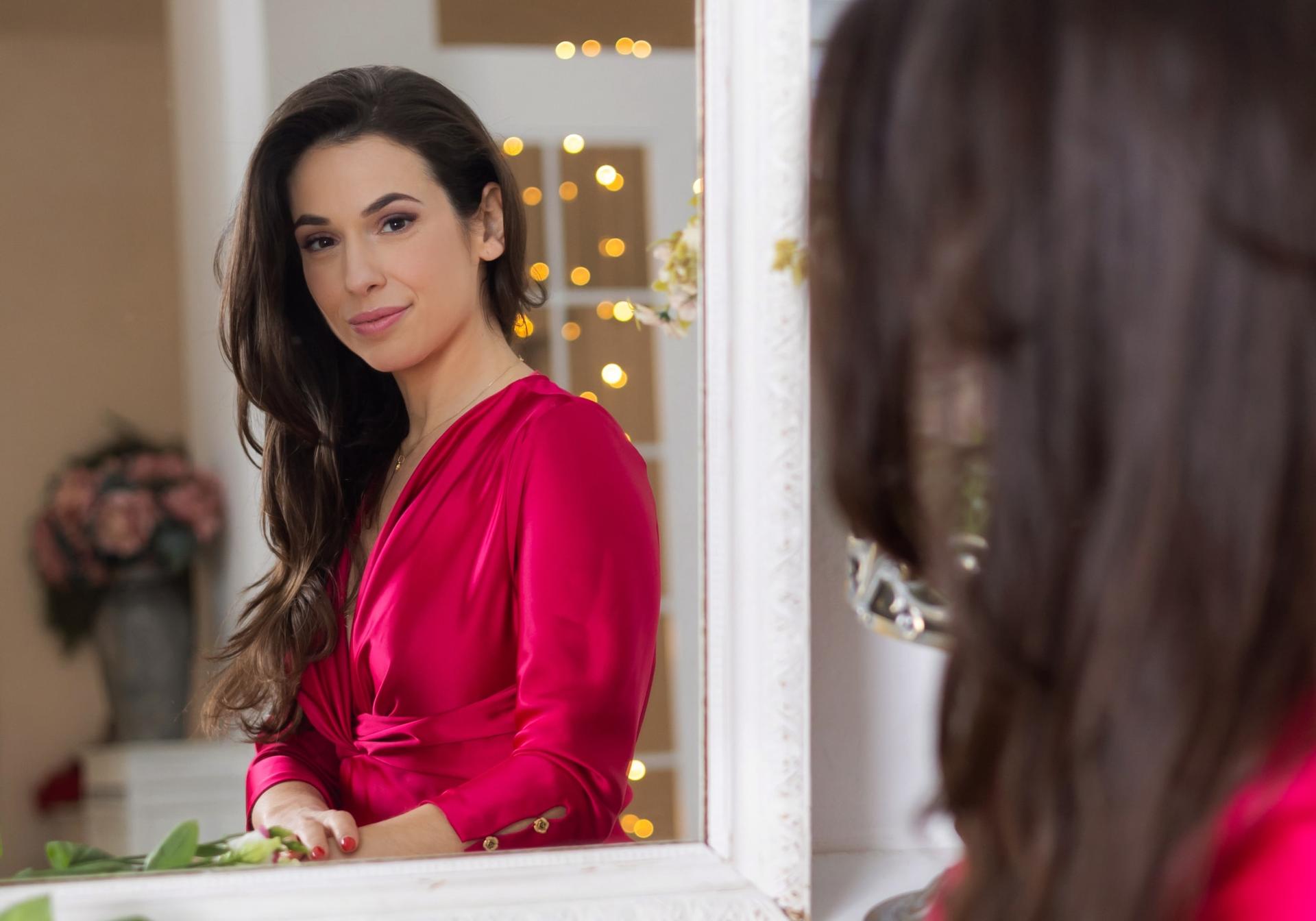
Gina, tell us how transgenerational traumas affect us and how they connect to femininity and the menstrual cycle!
Gina: When it comes to transgenerational trauma, it’s crucial to explore the emotional side—especially with conception struggles. When medical checks show no issues but things still don’t work, it’s worth uncovering unconscious patterns. Methods like family constellation therapy or hypnotherapy help us focus on the unconscious, which shapes 90% of our lives, while only 10% is consciously controlled.
I often see blockages that aren’t our own trauma but inherited ones. Understanding this requires accepting a collective family unconscious—a concept that’s hard for those with a materialistic mindset to embrace. Yet life often nudges them through health challenges to see things differently.
For women, inherited traumas often show up as conception difficulties or cycle irregularities, including endometriosis or painful periods. Breast issues like cysts or lumps—especially in the left breast, linked to nurturing—PCOS, or insulin resistance can also have transgenerational roots. These may express hidden feelings like "no one stands up for me" or "I shouldn’t exist." These patterns repeat until consciously healed, which is why I encourage women to address their emotional health alongside physical symptoms.
How can we recognize links between transgenerational trauma and illness? What methods help bring awareness?
Gina: It’s actually quite simple: think about whether there’s a family topic that’s never discussed. What is it, why is it silent, and who avoids talking about it? How does this silence affect you? People who attend family constellation sessions often become their own psychologists, realizing these "forbidden" topics trigger negative feelings. That’s why it’s important to pause and reflect in a calm, safe space. If you have a good relationship with your partner, friend, or grandmother, they can help you explore these thoughts and feelings. Sometimes another person notices what we miss because it’s a blind spot for us.
Sometimes an older relative repeats something we’ve overlooked because "it’s always been that way." Take time to truly listen—make tea, sit together, put your phone away to focus. This deepens your connection and helps uncover emotional or mental blocks inherited through family lines. The key is attention. We must be open and receptive to what’s shared, and the same goes for our bodies. Trust that your body, life, or the universe—call it what you will—will provide the answers you need at the right time and in the right way. Even if you asked a different question or expected another answer, paying attention to the past and our ancestors’ experiences can guide healing.
I believe the quality of our relationships reflects these traumas—who we can or can’t share certain topics with.
Gina: Absolutely, it often signals trauma or blockages within that relationship. Pay special attention to paternal and maternal lines: are there "secrets" no one talks about? Secrets linked to trauma carry powerful, often negative energy—according to Hellinger, their impact multiplies.
It’s wise to seek outside support in a way that feels right for you. Historically, women’s circles provided space for sharing. Deep, intimate conversations with a partner can also help—usually initiated by the woman. But it’s unrealistic to expect constant emotional support from men, whose role often centers on creating safety. Every relationship is unique, and gender roles vary within partnerships. What matters most is finding the right person for you, but first, you need to become the ideal partner yourself.
Card games designed to spark meaningful conversations can be great tools in relationships, especially when there’s trust and openness. Opening up emotionally strengthens bonds.
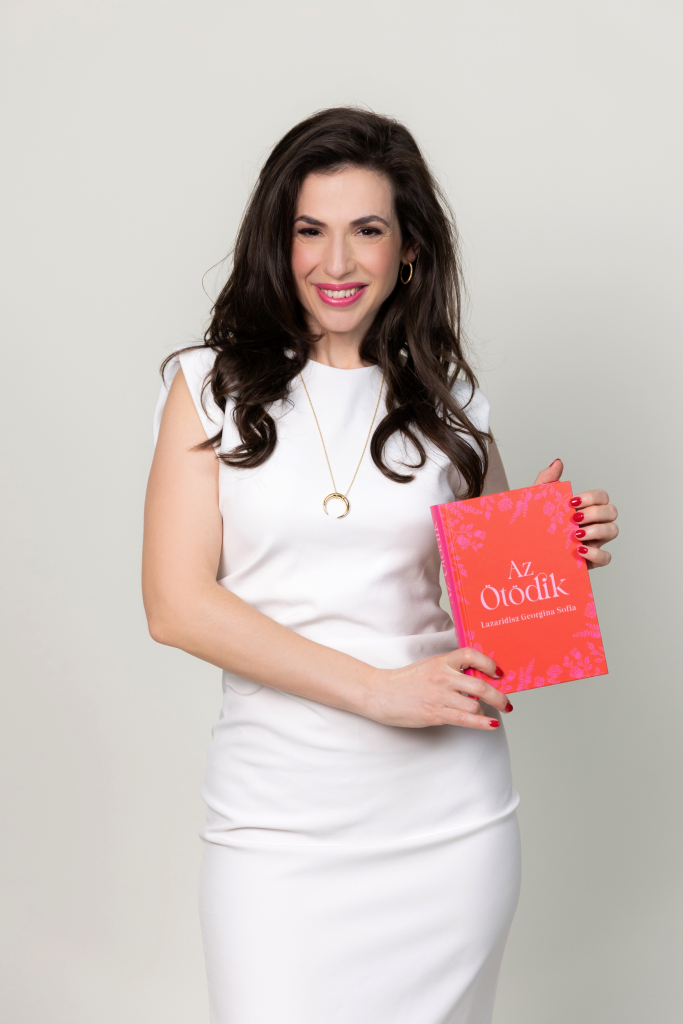
Why is it important to know our ancestors’ stories? How does understanding the past support healing?
Gina: As I write at the end of my book, our ancestors are always proud of us because we carry forward who they were. We don’t need to strive to be "good enough"—we are the continuation of life itself. But when we recognize the resources they fought for and integrate them into our lives, while healing past pain and transforming it into strength, the past becomes a gift. Nothing they endured was in vain, and this realization brings incredible freedom and healing for the whole family.
You mentioned Bert Hellinger, whose name is synonymous with family constellation therapy. This method is popular worldwide, but can you recommend other techniques to help heal wounds from the past?
Gina: There are many complementary methods if family constellation feels unfamiliar or you can’t find the right practitioner. Kinesiology with a true specialist, meditation, and Theta Healing can help rewrite old, limiting beliefs. Somatodrama is another great option—it’s similar to family constellation but works directly with our organs. Psychodrama and hypnotherapy—commonly taught to psychologists—are effective too, as are astrology and karmic astrology.
If someone is skeptical, they can see a psychologist, but that usually stays at a conscious level. The mind understands "there’s nothing wrong with me" and "I feel this because…", but the unconscious, where dissociation happens, still holds onto problems unless addressed. Integrated psychologists can help open the door to alternative techniques that heal the unconscious as well.
How open are people in Hungary to alternative healing? I know some who lost faith after encountering poor practitioners.
Gina: I see a slow but growing openness. Many still resist, especially when it involves something intangible that requires effort. This partly stems from childhood lessons to rely only on our five senses, almost ignoring intuition or a sixth sense. Yet many children remember past lives, connect to the spirit world, and have imaginary friends who are actually known spirits.
The biggest barrier is fear of the unknown. Those who stay open and find the right expert often discover these methods really work.
I believe as more awaken, we’ll rise to a higher consciousness that benefits the world. Everyone has a responsibility to grow at their own level.
Returning to femininity: do you see a connection between motherhood and transgenerational trauma? How does giving birth and becoming a mother affect the soul?
Gina: For many women, childbirth triggers the thought: "I don’t want to pass on the pain I received." Motherhood is one of life’s most natural yet challenging experiences. Many women try to avoid repeating their parents’ mistakes, but if those patterns aren’t processed, they might unconsciously repeat them or, conversely, allow everything for their children to avoid guilt.
Self-awareness is key. It’s never too late to start working on yourself—even as an adult! I wish my mom would have done this work, but just listening is already a big deal for her generation.
You simply can’t force someone to do inner work.
Gina: Exactly. People’s defenses come from fear—they worry they’re not good enough or have done something wrong. Looking back, we often made the best decisions we could with the knowledge and circumstances we had.
We can extend this understanding to our parents: they acted with the best knowledge they had, even if it didn’t always serve us well or led us astray.
For example, I long feared I couldn’t be a good mother while working. Later, I learned my mom attended university when I was born, and I spent months with my dad—without mom. This was a family pattern: my grandmother did the same, then my mom. For me, it meant I didn’t want children until I finished my studies and stabilized my career.
Do you think having children can bring repressed traumas to the surface?
Gina: Motherhood digs deep into the soul and can surface many things. It changes relationships too, as a new soul arrives with its own karma, influencing new parents. Transgenerational patterns and personal blockages come up—both positive and challenging. Those who’ve done prior inner work may find it easier, but if motherhood awakens hidden traumas, expect a tougher journey.
Tell us about the inspiration behind your book The Fifth and how it helps process transgenerational trauma.
Gina: My book blends my maternal lineage’s story with my personal journey—fears about relationships and motherhood, struggles with femininity, and how I help clients face these challenges. The main inspiration came from discovering methods that worked for me, which I wanted to share.
The book sparks reflection not through dry facts but by touching emotions—twisting us to laugh, cry, and arrive at meaningful "aha" moments.
It’s not a light, romantic read but a deep story offering a fresh perspective. By the last page, you may step onto a new path—if you’re ready.
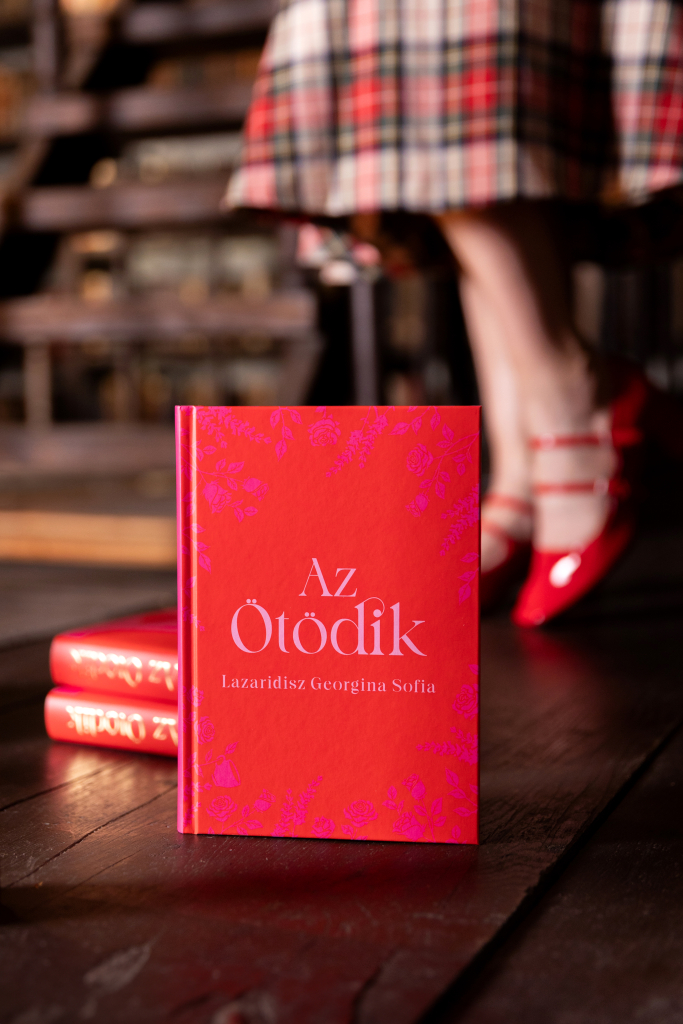
Your book seems like a guide for many. Did you expect it to give readers an extra push on their self-awareness journey?
Gina: Feedback shows many feel that way. They say the small synchronicities—the feelings and thoughts sparked by my story—help them take the next step. My book isn’t a dry self-help manual but a living story readers become part of, inspiring many.
I see women increasingly ready to awaken their feminine consciousness. There’s a huge need for this today.
Your characters and storylines clearly carry feminist messages. Was this a conscious choice?
Gina: Yes, especially in the historical timelines through the character Katus. In 1916, women didn’t have voting rights, and she struggled internally and socially with this. Katus’s story also shows the challenges women faced in education and work back then. She didn’t want the typical life of early marriage and motherhood like other girls. She aimed higher, wanting to test her potential beyond motherhood.
The story reveals she was talented in many ways. You plan several more novels—will they be connected or standalone stories?
Gina: My next book will also focus on women’s roles and how to change them. All my novels will share self-awareness tools woven into exciting, twist-filled stories.
This concludes our three-part interview series with Georgina Sofia Lazaridisz. We’re grateful for the valuable insights you shared about femininity, transgenerational trauma, and our connection to the menstrual cycle! We hope readers found inspiration and useful takeaways. Thank you for joining us, and we look forward to future conversations with Gina on equally fascinating topics!