
Potatoes probably show up in your kitchen quite often, and you can enjoy them in so many ways—baked, boiled, or mashed. But before you dive into all the delicious possibilities, it’s worth thinking about how eating potatoes daily might affect your body. What changes can you expect if potatoes become as regular in your diet as air is to breathing?
Nutritious Fuel or Energy Storage?
Potatoes are a solid source of carbs that give us plenty of energy. A medium potato packs about 110 calories and is rich in vitamin C, B6, and potassium. These nutrients support your immune system, help regulate blood pressure, and boost energy production.
But if you reach for potatoes multiple times a day, even healthy carbs can be overdone.
While potatoes are great energy boosters, eating too many can lead to insulin resistance, which may increase the risk of type 2 diabetes. Plus, if your diet isn’t balanced, you might miss out on other important nutrients.
What’s the Ideal Potato Intake?
It’s tough to say exactly how many potatoes you should eat daily or weekly since it depends on your energy needs, lifestyle, and health. Generally, potatoes can be a valuable part of your diet but don’t need to be on your plate every meal.
Your body will thank you most when you pair potatoes with other veggies and whole grains, making your meals more varied and nutritious. Don’t let potatoes be the only star—mix in other nutrient-rich foods too.
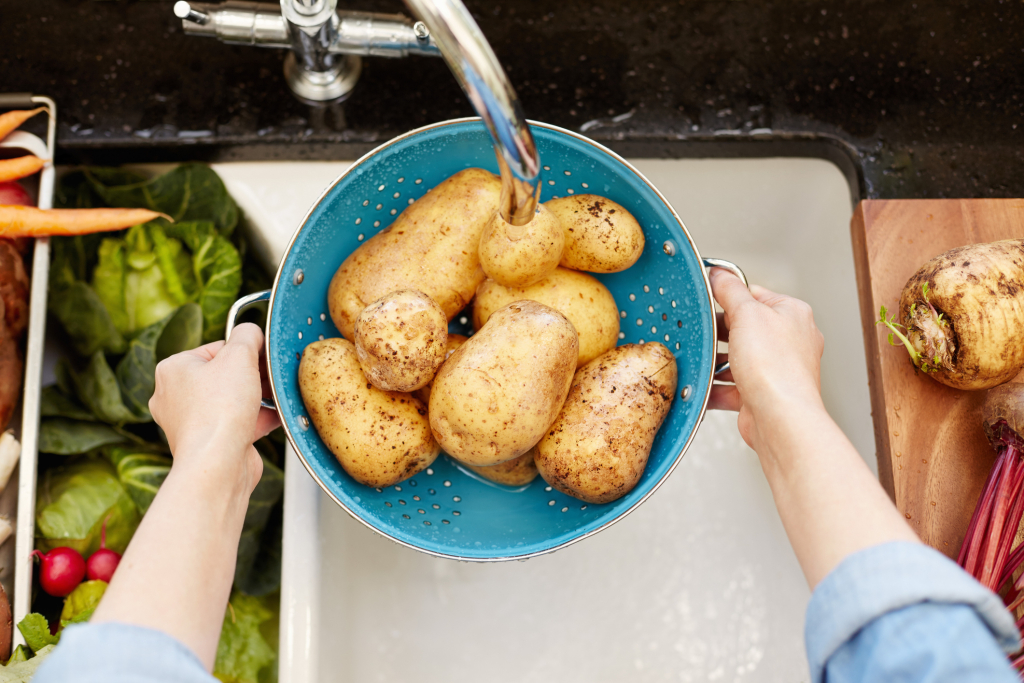
How Different Cooking Methods Affect Potatoes
How you cook potatoes makes a big difference in their nutrition. For example, fried potatoes add a lot more fat and calories compared to boiled or steamed ones. Regularly eating fried potatoes can raise your risk of heart disease because of the high fat content.
On the other hand, boiled or steamed potatoes keep more vitamins and minerals intact, making them a healthier choice than frying. To minimize nutrient loss, try cooking potatoes with their skins on—they’re packed with fiber that supports good digestion.
Can You Diet with Potatoes?
Carbs often get blamed for weight gain, but potatoes themselves aren’t fattening if they fit into your calorie goals. Thanks to their high water content, they help you feel full and can prevent overeating. Still, how you prepare them matters.
If you’re watching your weight, skip fried potatoes and other oily preparations. Instead, go for boiled or grilled potatoes—they’re lower in calories and easier to include in a weight-loss plan.
What Are the Daily Effects of Eating Potatoes?
Eating potatoes daily can have both upsides and downsides. On the plus side, they’re a great way to boost your intake of vitamins and minerals, which is key for balanced nutrition. But remember, too many carbs can affect insulin sensitivity and raise blood sugar levels.
All in all, potatoes are a versatile food that fits into many diets, but moderation is key. For a healthy diet, include a variety of ingredients to make sure you get all the nutrients your body needs.