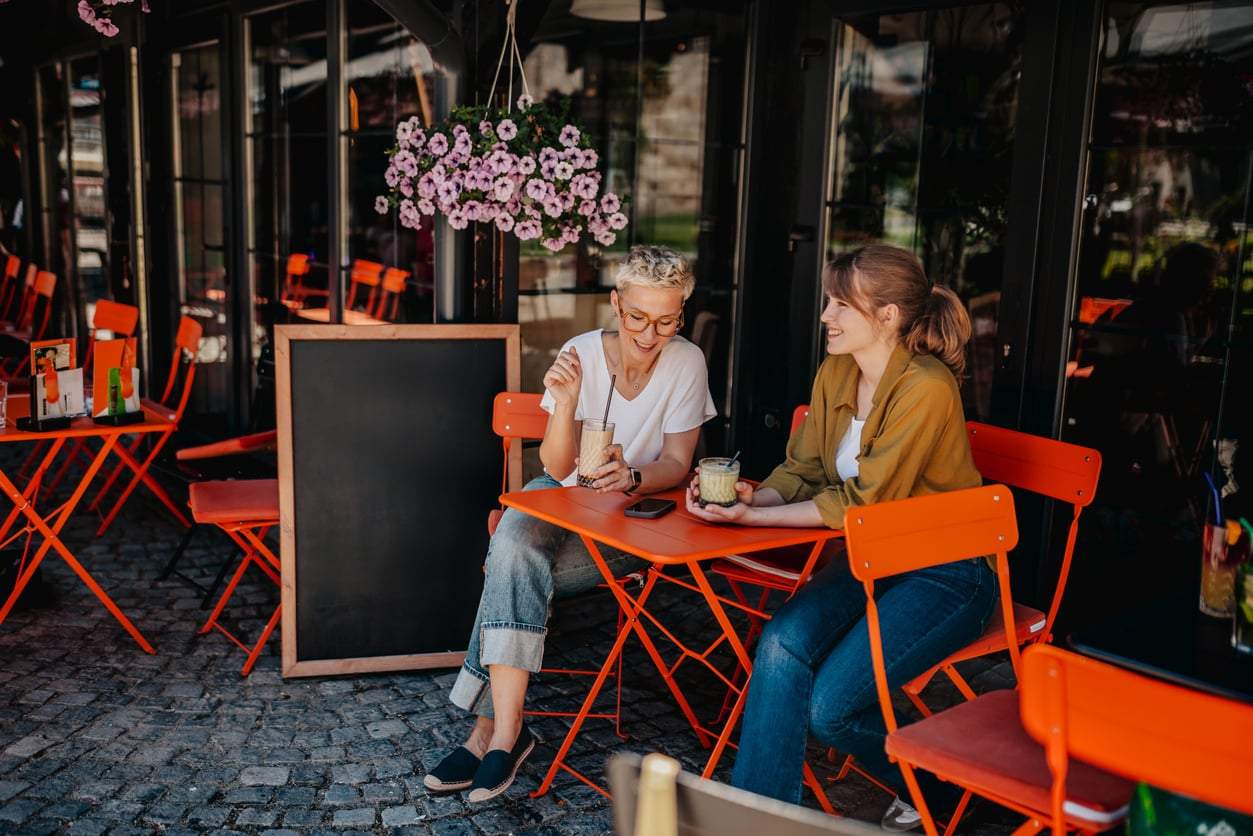
Attackers target women with similar traits, not based on what they wear.
The Protocol
Every woman knows the situation: walking down the street, a man starts staring and following. From a young age, we learn not to look at him and to ignore any attempts to talk, instead trying to shake him off with quick, confident steps.
We also learn that even though men are usually bigger and stronger, a kick to the groin can be effective. Simple self-defense moves like holding keys between fingers, making a fist, and aiming for the attacker’s eyes can help if needed.
It’s sad to think that girls know from their teens that keys aren’t just for unlocking doors but can be used to protect themselves.
Outraged
Instead of teaching boys and men to control themselves, women are taught to tighten up or, in the worst case, defend themselves.
I read about an American woman walking her dog in the park when two men started whistling and making sexual remarks. Fed up with having to tolerate this even at 58, she didn’t stay silent as usual. Instead, she marched up to them, shouted curses, and warned she’d unleash her dog if they didn’t shut up immediately.
To her surprise, the men backed off and looked genuinely scared. She later thought how strange it was that she’d never acted so boldly before, even though sometimes that kind of fierce response can save a woman’s life.

Victim Selection
A study interviewed 47 convicted men about how they chose their victims. These men were imprisoned for crimes like violence against women, kidnapping, murder, and sexual assault.
They were shown videos of women walking on the street and asked who they would attack. Almost all chose the same women.
Clothing style—whether provocative or conservative—and body size didn’t matter. Instead, offenders assessed “vulnerability” by observing posture, body language, walking speed, step size, and awareness of surroundings.
A woman listening to music, staring at her phone, with slumped shoulders and downcast eyes is more vulnerable than one walking tall, with confident steps, and scanning who’s coming toward her.
No Blame
Of course, this isn’t about blaming women who walk cautiously. The attacker alone is responsible for any assault and must be held accountable.
Some attacks can’t be prevented no matter how careful you are, especially if there’s more than one attacker. But knowing what attackers look for in an “ideal” victim can help reduce the chances of being targeted.
Criminals pick victims based on movement and vulnerability. Even having a dog can deter them because it raises the risk.
Many think that talking on the phone offers safety, but it actually distracts and makes you more vulnerable—same with listening to music through headphones.
Like predators in the animal kingdom, attackers prefer slow, uncertain walkers. Those who walk with purpose, quickly, and in a straight line show confidence and are less likely to be targeted.
Sexual assault is less about sex and more about control—the attacker wants power over the victim. No attacker starts with a woman they sense will fight back.
The takeaway: walk tall and confidently, stay aware of your surroundings, and avoid talking to suspicious strangers. If you feel followed, turn and shout to make it clear you won’t be an easy target. An assertive, “crazy woman” stance often deters attackers. Those who don’t look like victims are less likely to become victims.