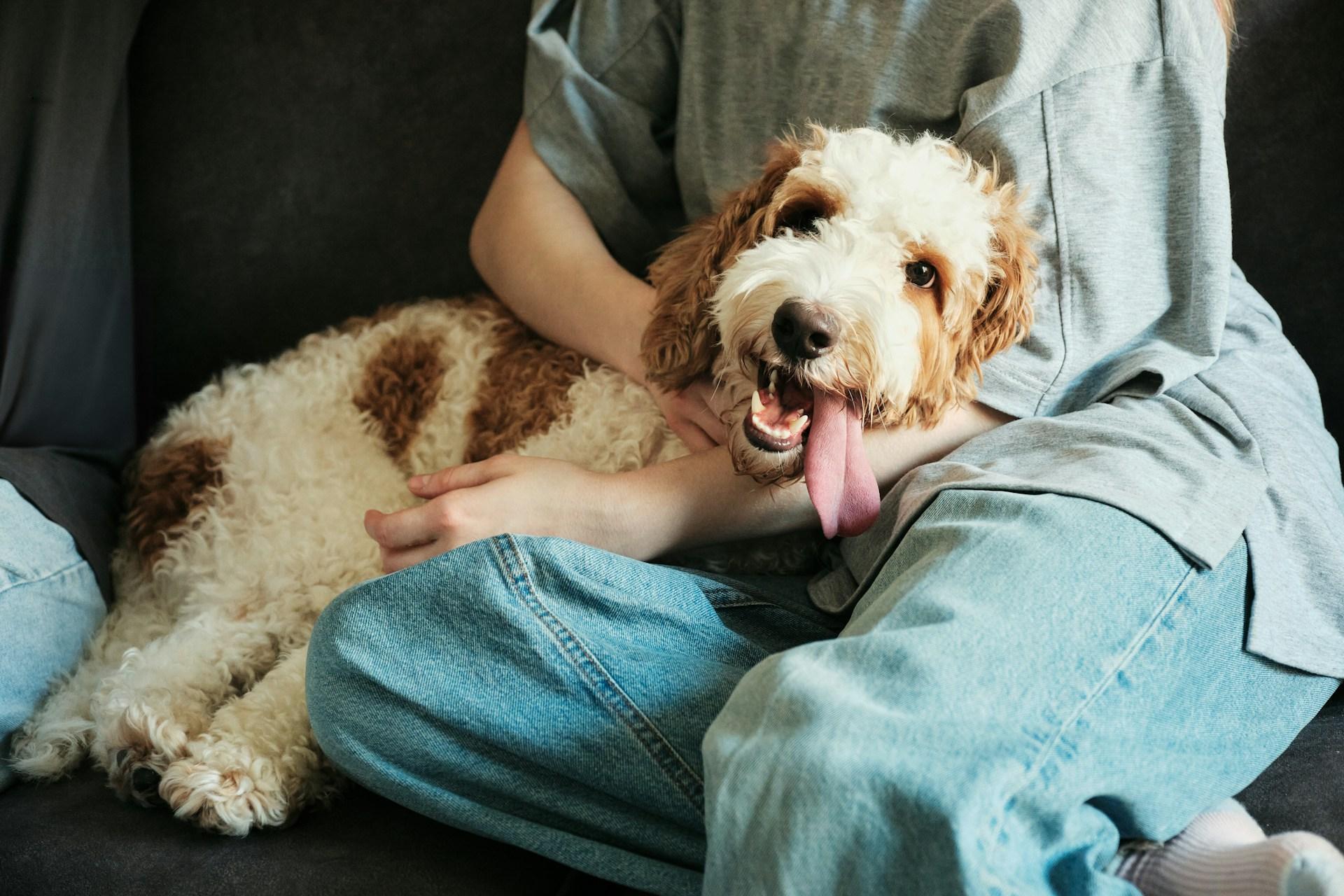
Your dog can't say "I'm happy" or "I'm scared" out loud, but they're telling you constantly. Every wag, every posture, every glance is a message. Once you learn to read it, you'll understand your best friend on a whole new level.
Dogs communicate almost entirely through body language, and it's surprisingly expressive. The way they hold their tail, their ears, even their eyes can reveal not just their mood in the moment, but their deeper emotional state. Here's how to decode the signals that matter most.
Signs of happiness and relaxation
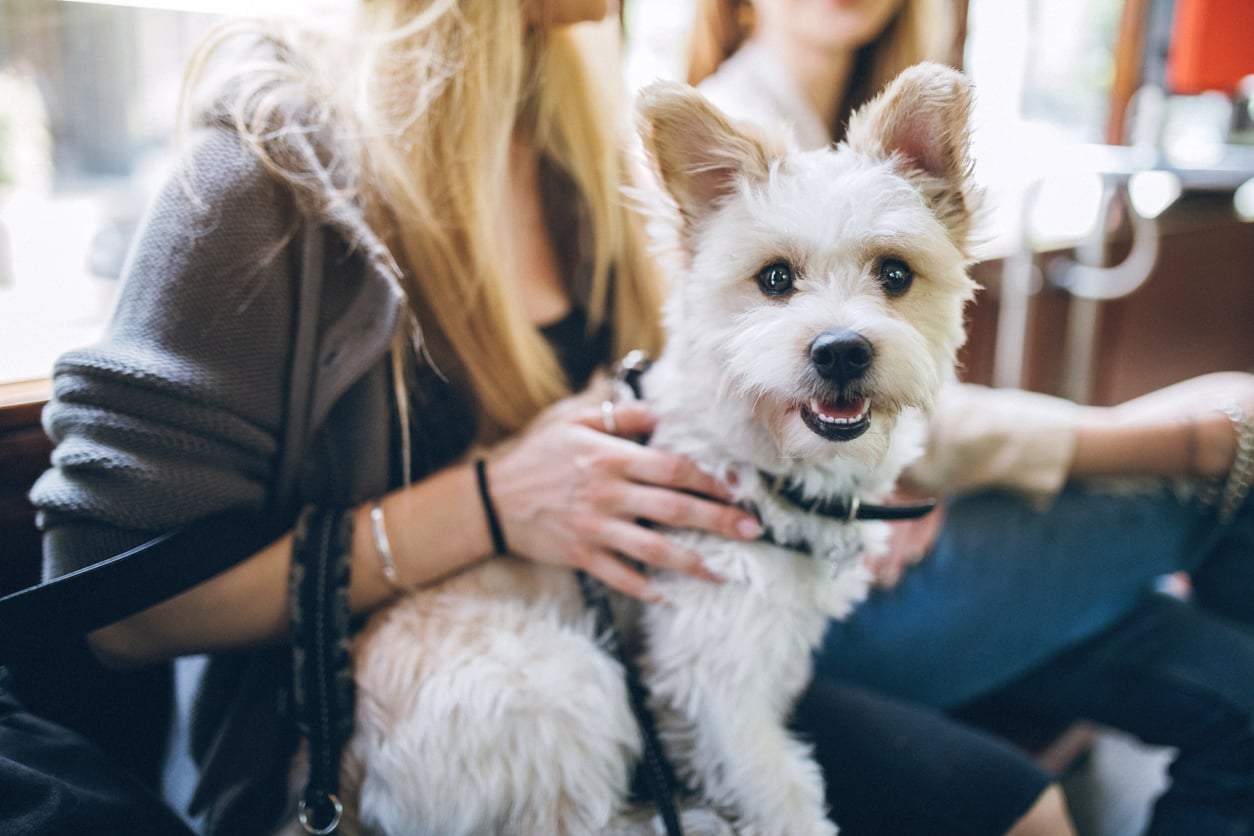
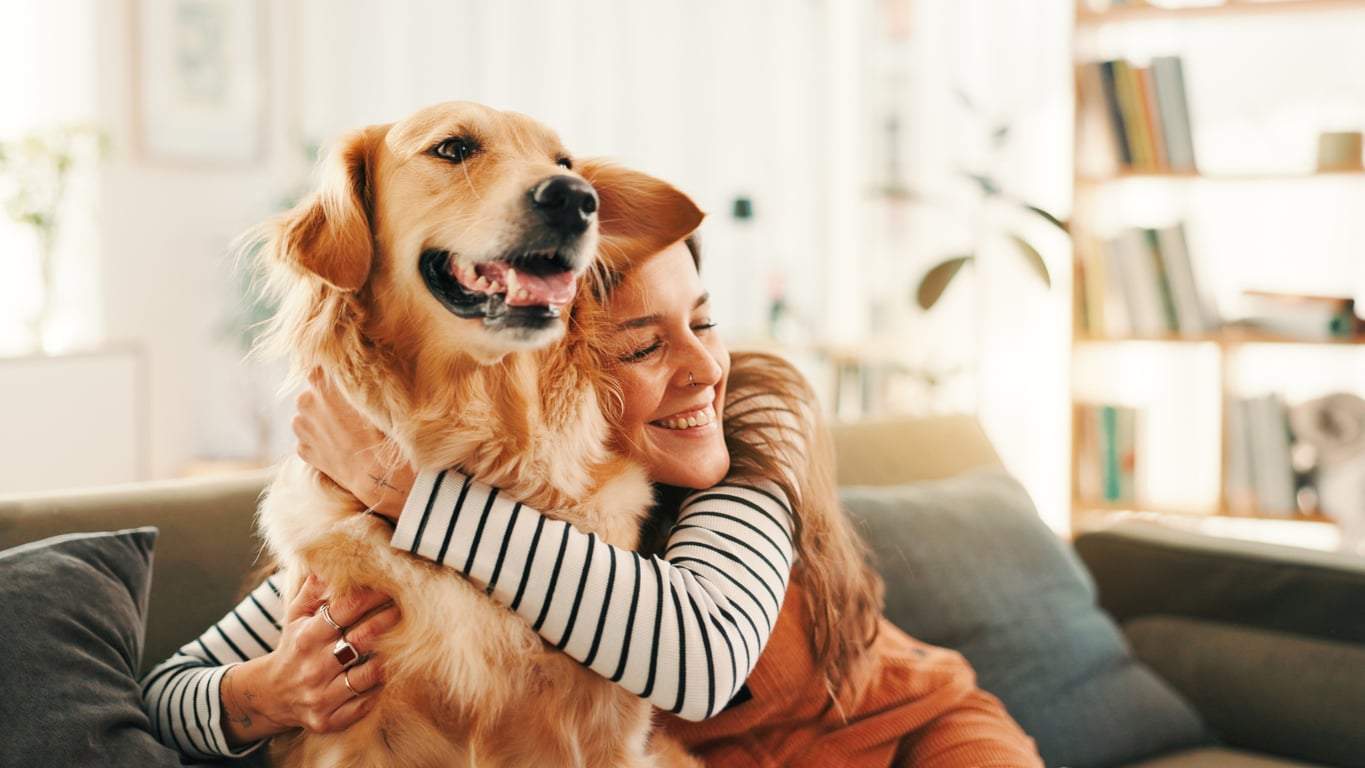
When your dog is genuinely happy and content, it shows in their whole body. The most familiar sign is a loose, freely swinging tail. A happy dog's tail almost seems to move on its own, wagging in wide circles or sweeping from side to side.
Pair that with bright, wide-open eyes and a relaxed, carefree body, and you've got a dog that feels completely at ease.
You might also notice your dog dipping into a quick, playful bow: head lowered, front legs stretched forward, back end up in the air. This is the classic "play bow," an instinctive invitation to join in the fun. Add a couple of cheerful barks, and you can expect an energetic play session is on its way.
Signs of fear and anxiety
A frightened dog uses its body to tell you it wants to retreat. The fearful dog often takes on a tucked, curled-up posture, pulling its body tightly inward, flattening its ears back, and making strange whining or low groaning sounds.
The goal of this posture is simple: become as small and unnoticeable as possible. Often, the only thing that soothes it is the calm, reassuring presence of someone the dog trusts.
In these moments, a dog will frequently avoid direct eye contact, looking away or keeping its gaze fixed on the floor. If you can, gently reassure your dog and give it a safe, quiet space where it can settle back into its natural calm.
Understanding these cues is also part of being a responsible owner — and so is knowing the everyday habits that keep your dog safe, like why walking your dog right after eating can be risky.
Confidence and dominance
When a dog wants to assert itself, one of the clearest signals is a stiff, rigid posture with the head held high. Often the tail is held straight up too. This visual display is the dog's way of marking its territory and protecting its status as the "leader of the pack" at home.
Confident dogs also tend to hold steady, prolonged eye contact, especially when they feel challenged. It's worth gently managing this behavior, because while healthy confidence is a good thing, too much dominance can spark conflict with other animals.
Don't overlook the smaller signals
The joy of having a dog isn't only about enjoying the company of a loving companion every day. It's also about continually deepening that bond by truly understanding what your dog is telling you.
When you respond with attention and sensitivity to the emotions behind their body language, you strengthen your connection with your four-legged friend. That's how you turn everyday moments into something richer, and build a kind of harmony that can last a lifetime.
How can I tell if my dog is happy?
Look for a loose, freely swinging tail, bright wide-open eyes, and relaxed, carefree movement. A playful bow with the front legs stretched forward and the back end raised is also a clear invitation to play.
What does it mean when my dog tucks its body and pulls its ears back?
This curled-up, tucked posture usually signals fear or anxiety. Your dog is trying to make itself small and unnoticeable, and it often calms down only with the reassuring presence of someone it trusts.
Why does my dog avoid eye contact sometimes?
Looking away or keeping the gaze toward the floor is often a sign of fear or discomfort. Giving your dog a safe, quiet space can help it return to its natural calm.
Is a dog holding steady eye contact a good sign?
Prolonged eye contact, often paired with a stiff posture and high tail, can signal confidence or dominance, especially when the dog feels challenged. Healthy confidence is fine, but too much dominance may lead to conflict with other animals.