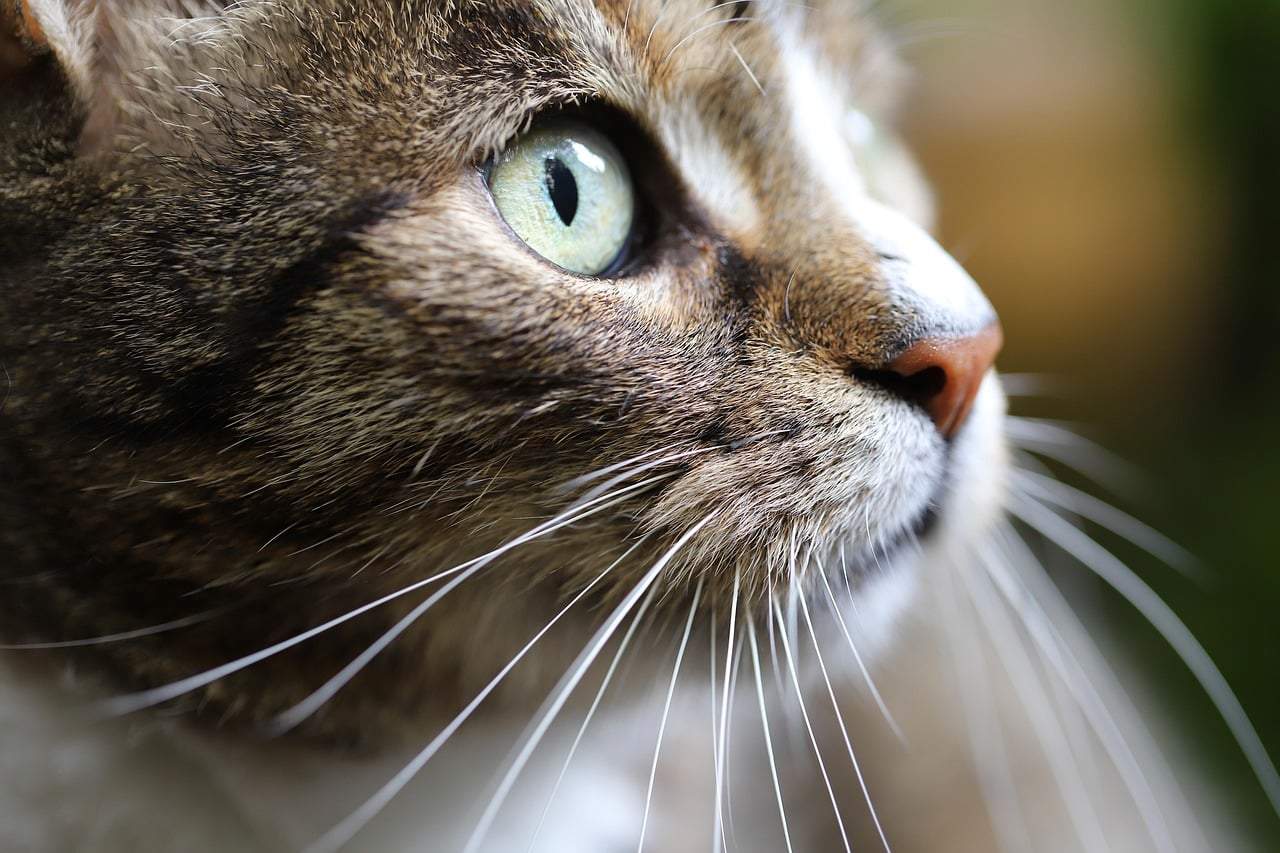
If you've ever caught yourself telling your dog about your day, or encouraging a struggling houseplant to "hang in there," you're in very good company. This habit might feel a little embarrassing to admit — but it turns out it's one of the most deeply human things you can do. And science has some genuinely good news about it.
It's not just talking — it's connecting
When we speak to our pets or houseplants, we're doing far more than filling silence. We're expressing love, attention, and care — and that matters. A dog or cat can become a genuine source of joy, and talking to them feels natural because, on some level, it is natural.
Many people also talk to their plants — sharing thoughts, feelings, or simply narrating their day. Far from being strange, this reflects a deep human need to feel connected to the living world around us.
It's not just about the love we pour outward. It's also a quiet recognition that we are part of something larger than ourselves.
What it actually does to your brain
Research shows that these kinds of one-sided conversations have real, measurable effects on how our minds work. When we talk — even to a plant or a pet — we activate the brain's language centers, which strengthens communication skills and sharpens our ability to think through problems.
Imaginary dialogues and out-loud thinking help the brain organize information, process emotions, and approach challenges more clearly. In other words, talking to your fern isn't a quirk — it's a low-key cognitive workout. It can also deepen self-awareness in ways that quieter reflection sometimes can't.
There's a name for it — and it's considered a strength
Psychologists call this tendency anthropomorphism — the act of attributing human qualities to animals, objects, or even plants. And far from being a sign of confusion, it's considered a sophisticated cognitive tool.
Nicholas Epley, a leading psychologist at the University of Chicago, argues that anthropomorphism is simply part of how the human brain makes sense of the world. It's not purely emotional — it's also intellectual. It helps us make decisions, navigate our environment, and build a richer understanding of everything around us.
Historically, countless cultures have embraced this instinct. For thousands of years, people believed that plants and animals possessed some form of consciousness or spirit. That belief hasn't disappeared — and in many ways, modern psychology is beginning to understand why it persisted.
It's more normal than you think — and genuinely good for you
Some people still find it odd to talk to a houseplant or narrate their thoughts to a sleeping cat. But those who do it regularly often report real benefits: lower stress, greater emotional stability, and a stronger sense of calm during difficult days.
It can serve as a gentle processing tool — a way to work through the events of the day without needing an audience. There's no judgment, no interruption, just the act of putting feelings into words.
And that habit, it turns out, doesn't stay contained. People who regularly express their inner world — even to non-human listeners — tend to connect more easily with others, develop stronger empathy, and understand their own emotional patterns more clearly. Talking to your dog might just make you better at talking to everyone else, too.