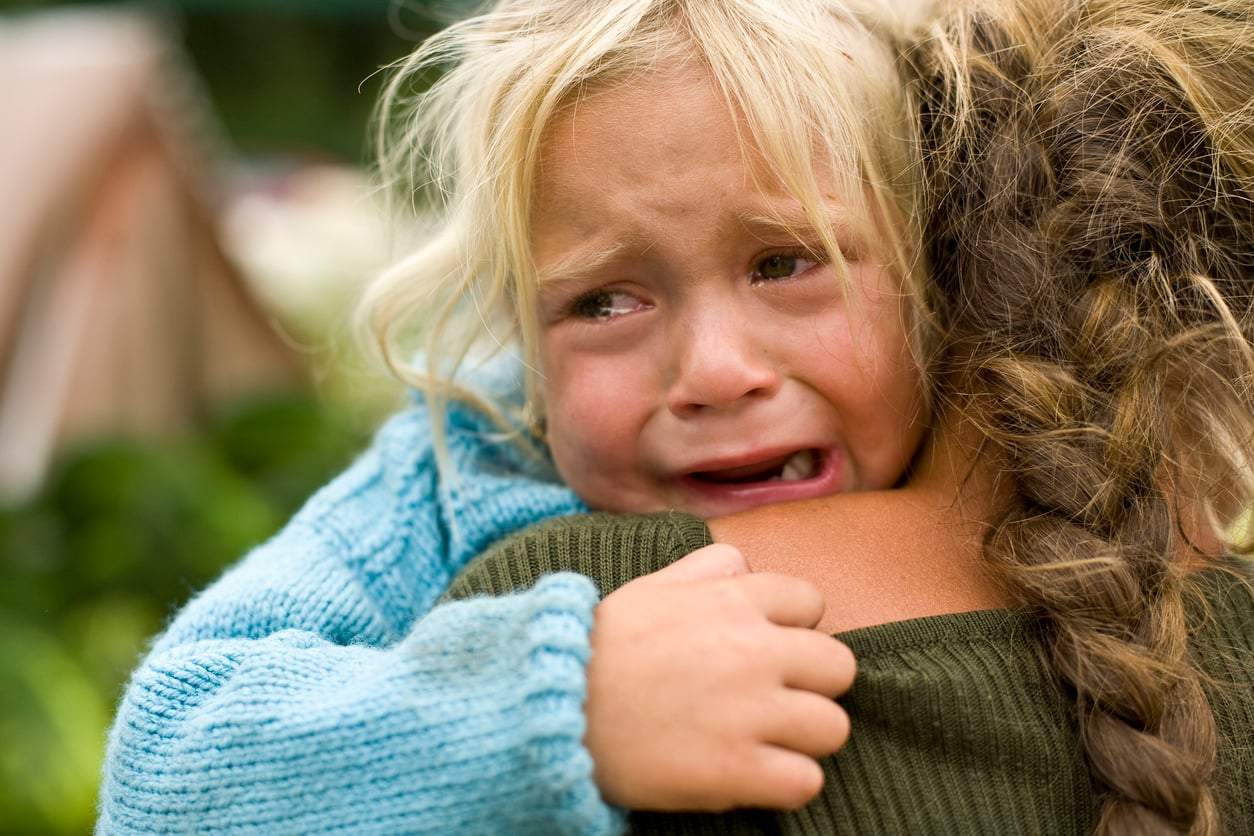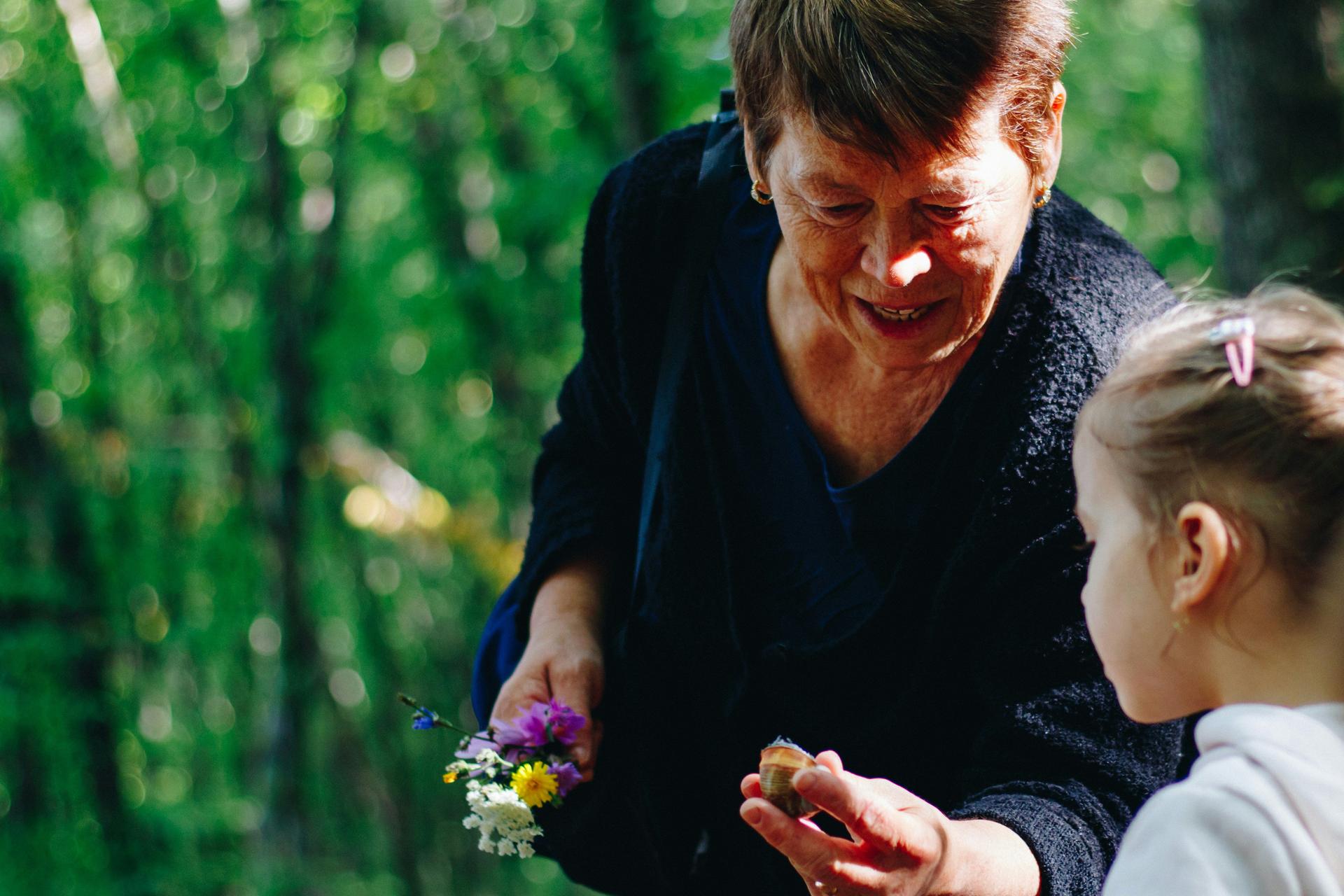
There's a sentence you'll hear in almost every family, usually over a big holiday lunch: "I remember, when your mother was your age, she already…" It sounds harmless. Sweet, even. But it's exactly the kind of comment that can quietly chip away at a child's confidence.
It's not strictness or discipline that does the most damage. It's constant comparison — and the grandparents' generation often gets stuck in that trap without ever meaning to.
A grandparent's love is usually unconditional, and no one doubts that. But over time, many of them start reaching for an automatic yardstick. They measure the grandchild against a sibling, a cousin, or their own childhood self. "Your brother could ride a bike by now." "Your mum was reading on her own at your age."
These lines aren't born from cruelty. They come from an older parenting culture — a time when performance and comparison were seen as perfectly normal ways to raise a child.
Why this kind of comparison is so damaging
A child's brain doesn't process these sentences the way grandma imagines. They don't hear inspiration — they hear a verdict.
A six-year-old doesn't take away "try a little harder." What lands instead is "the way I am isn't good enough." That difference is everything.
Repeated comparison slowly gets absorbed into a child's self-image, and it can resurface in adulthood. It shows up as an adult who can't accept their own pace, because from an early age they learned there's always another child they're falling behind.
It's not what grandma says that matters most — it's how the child learns to interpret themselves through it.
Even praise can be a trap
Here's the surprising part: it's not only critical comments that hurt. Many grandparents swing to the opposite extreme and praise appearance nonstop — the looks, the cleverness — as if those were the only qualities that count.
"You're so beautiful, sweetheart, you'll surely be the prettiest girl in class." It sounds lovely at first. But it reinforces the very same comparison-based thinking, just with a positive spin.
The child learns that their value is measured against other people, instead of paying attention to their own growth and effort.
How to change it without breaking the bond
Most parents don't want to go head-to-head with grandma. And they shouldn't — the grandparent-grandchild bond is priceless on its own. You don't need to start a conflict. Small, gentle corrections are enough.
- Give quiet but consistent feedback: "Mum, I know you don't mean any harm, but it hurts him when you compare him to his brother."
- Offer alternative phrases that focus on the child's own progress: "Look how much you've grown this month!" instead of measuring them against others.
- If the child is old enough, they can sometimes say how they feel themselves — with the parent's support, never left alone to handle it.
- Grandparents are often open to change, as long as the request comes across as teamwork, not an accusation.
Seeing it through the child's eyes
A child doesn't understand generational differences. They can't rationalise that grandma is simply repeating the parenting patterns she grew up with. They just absorb the message and build their self-image from it.
That's why the adults in the family need to pay conscious attention to the words spoken at home. These small, repeated moments are what shape, over the long run, the way a person will one day see themselves as an adult.
Is it really that harmful when grandparents compare children?
Yes, because children experience comparison as a verdict rather than encouragement. Repeated over time, it gets absorbed into their self-image and can affect how they see themselves well into adulthood.
Isn't praising a child's looks a good thing?
Constant praise for appearance or cleverness can backfire. It teaches a child that their worth is measured against others, instead of focusing on their own effort and growth.
How can I address it without upsetting grandma?
You don't need a confrontation. Offer gentle, consistent feedback and suggest alternative phrases that focus on the child's progress. Framing it as teamwork rather than an accusation usually works best.
Why don't grandparents realise the harm?
Their comments usually aren't cruel — they come from an older parenting culture where comparison and performance were seen as normal tools. Many are genuinely open to change once it's pointed out kindly.