But have decorations really changed that much, or have the stories behind them simply grown richer? Let’s explore how this festive tradition evolved and became more personal than ever!
A Little History
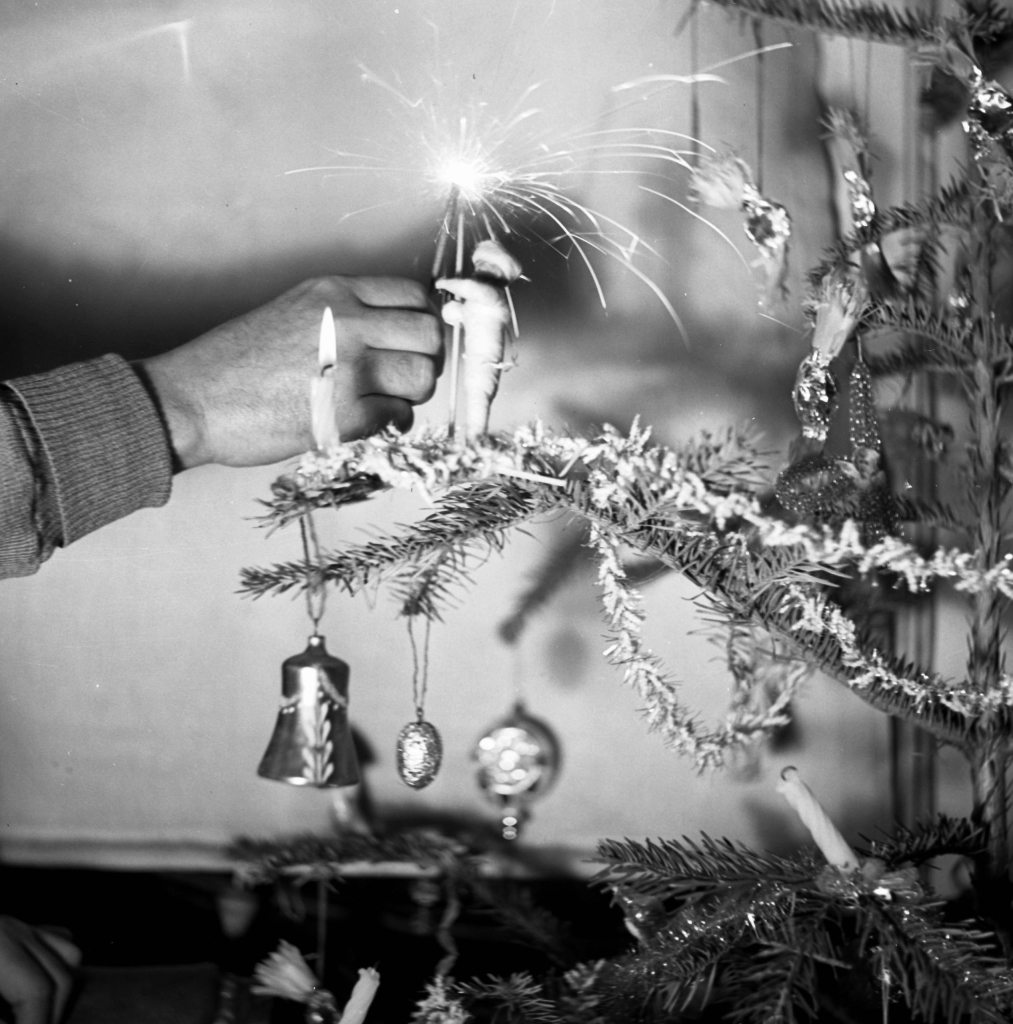
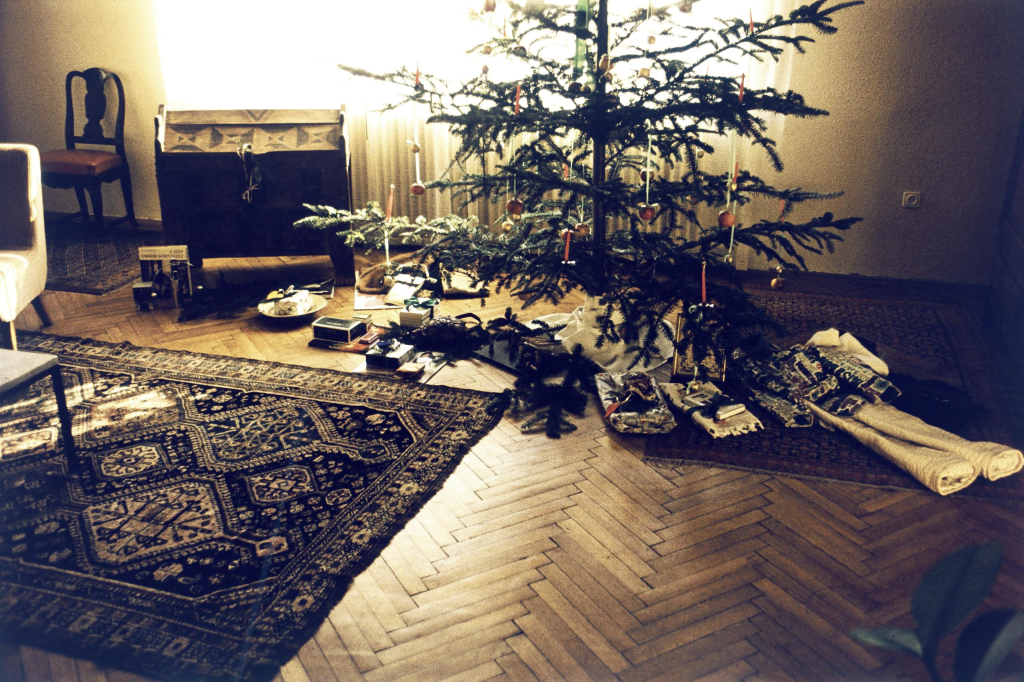
The story of Christmas trees goes back thousands of years. Ancient Egyptians celebrated the winter solstice with evergreen branches, while 16th-century Germans decorated their firs with candles and glass baubles. In the Victorian era, candles were clipped onto branches, casting a gentle glow – maybe not the safest decor, but undeniably cozy.
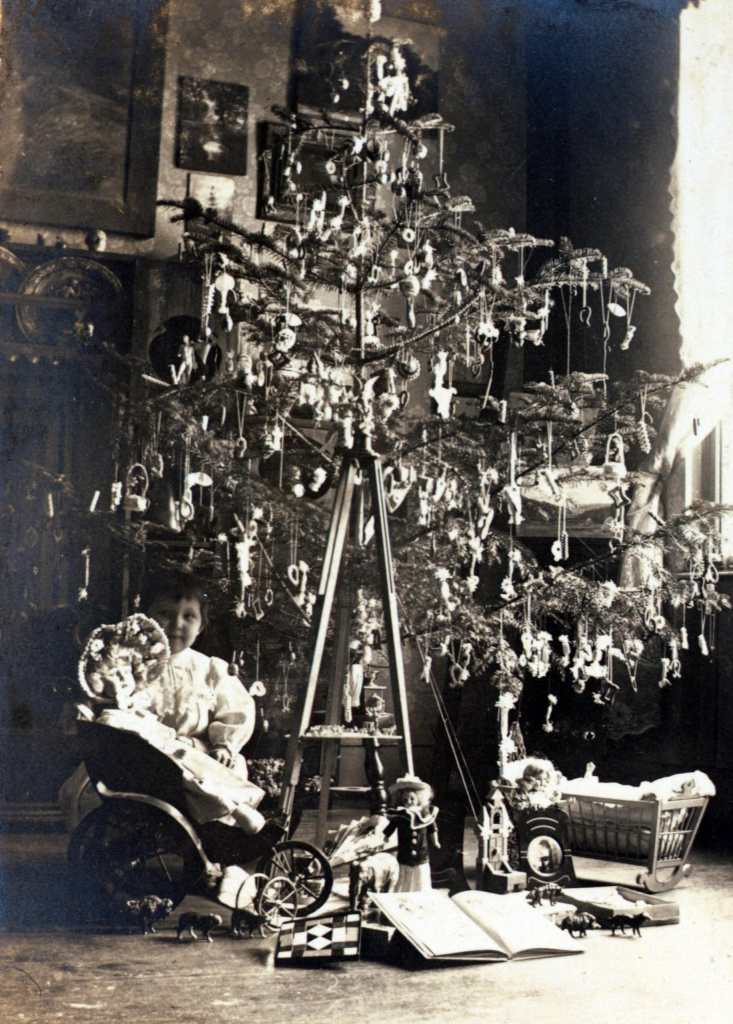
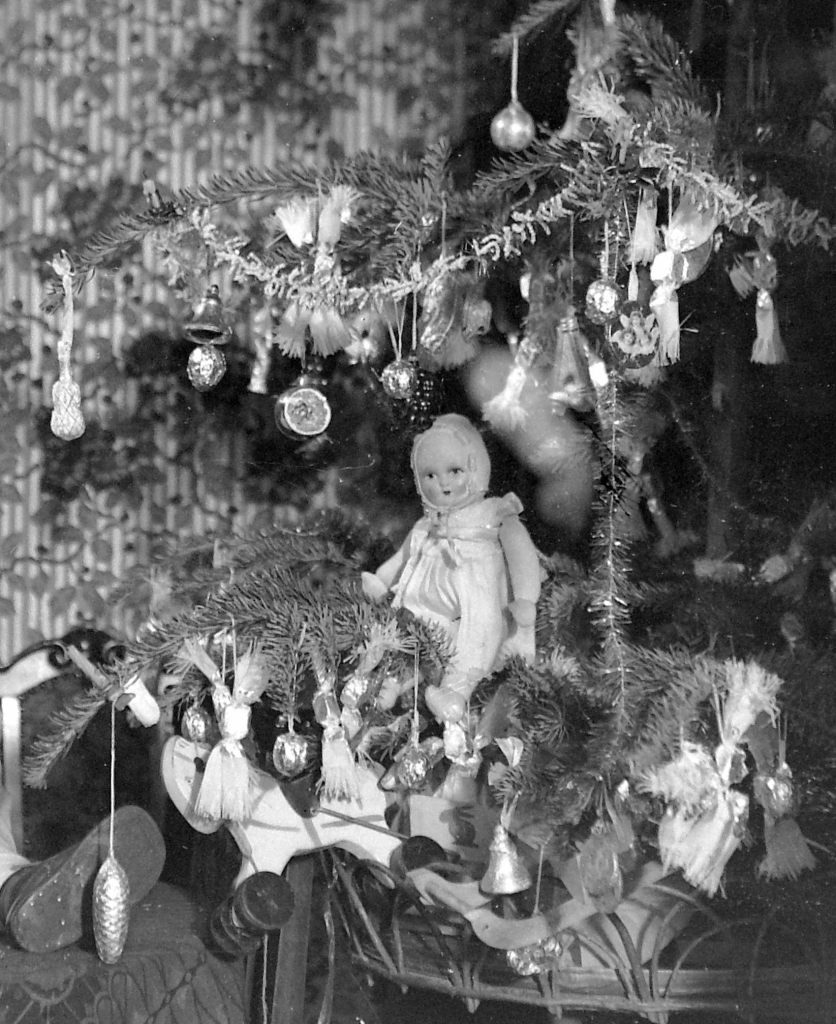
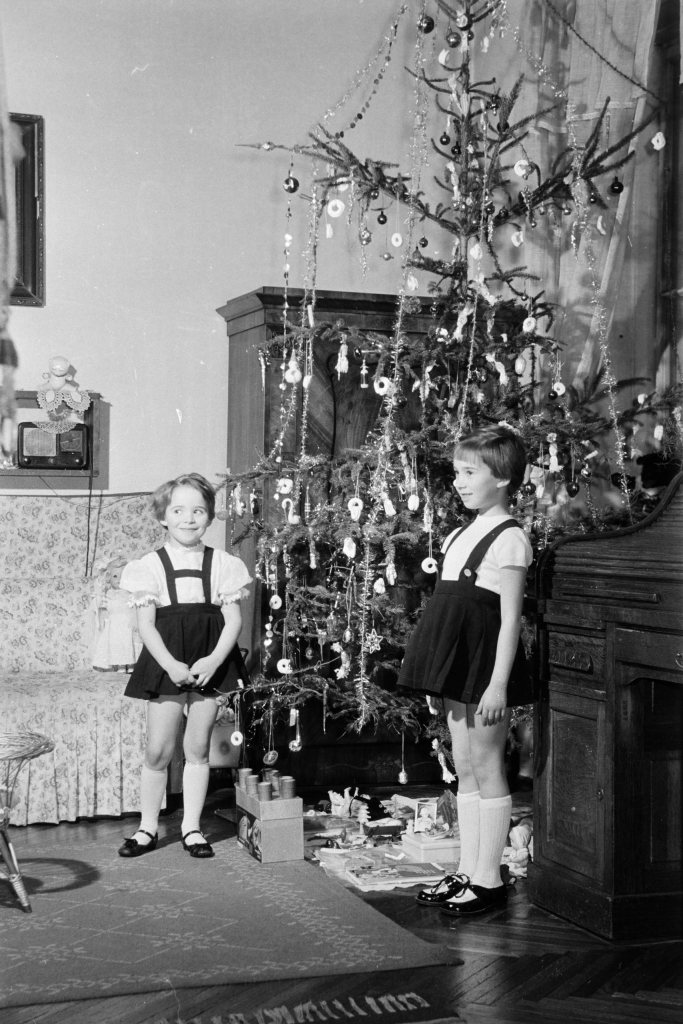
Then came the early 1900s. At the start of the 20th century, candles still lit up Christmas trees, which were adorned with nuts, apples, handmade figures, and traditional Hungarian candy called szaloncukor.
In the 1920s, artificial feather trees gained popularity, crafted from goose or ostrich feathers, turning decoration into an art form. These trees were durable, affordable, and accessible – a big plus as the economic crisis began.
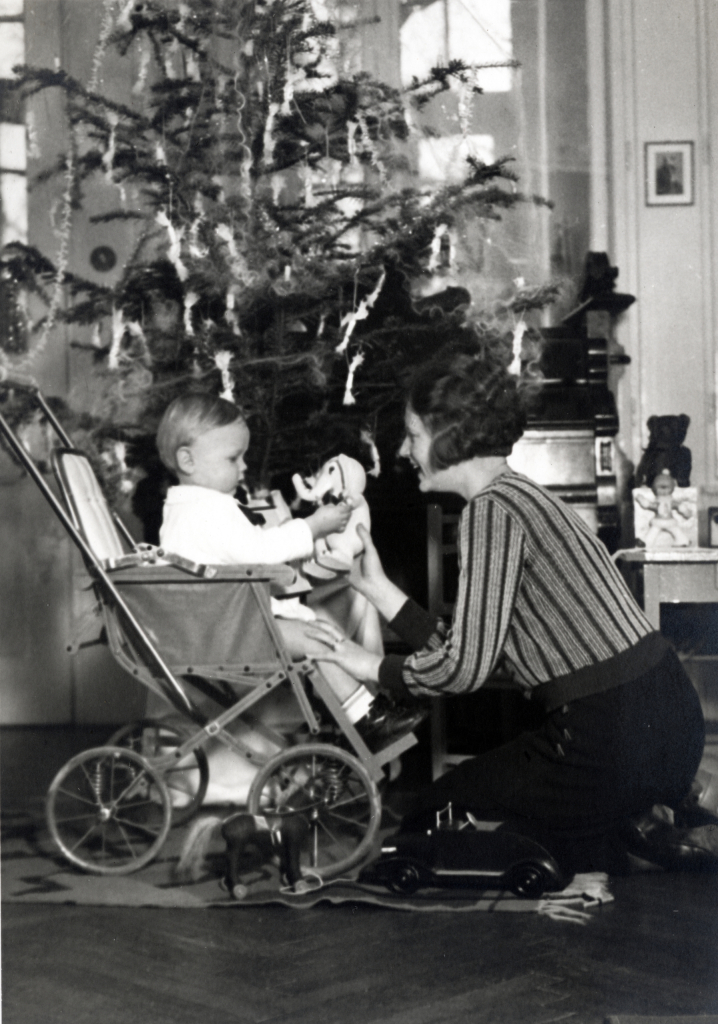
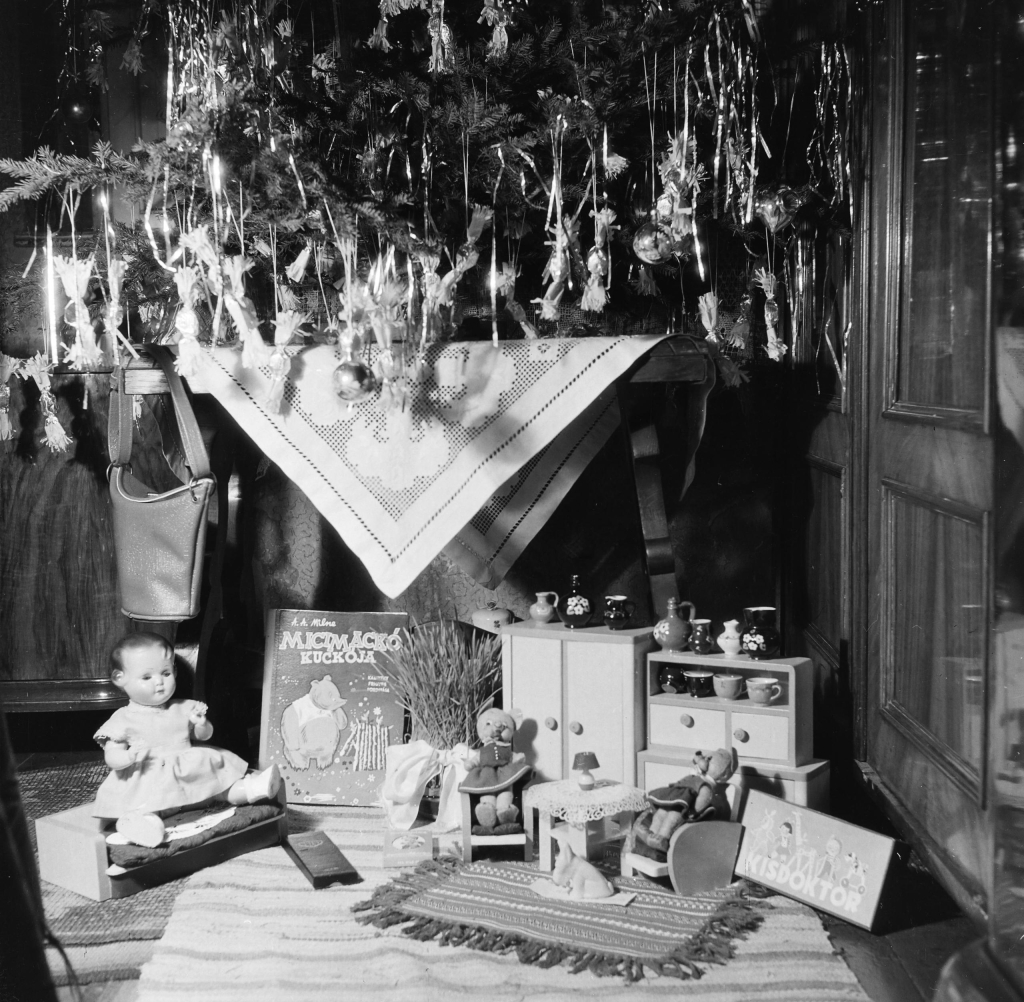
Decorations started to get richer, but simple, natural materials still ruled. During the 1930s Great Depression, most ornaments were homemade since few could afford to buy them. Popcorn chains, paper decorations, and recycled materials were creative solutions, yet fir trees remained the heart of the celebration, symbolizing family unity.
Mid-Century
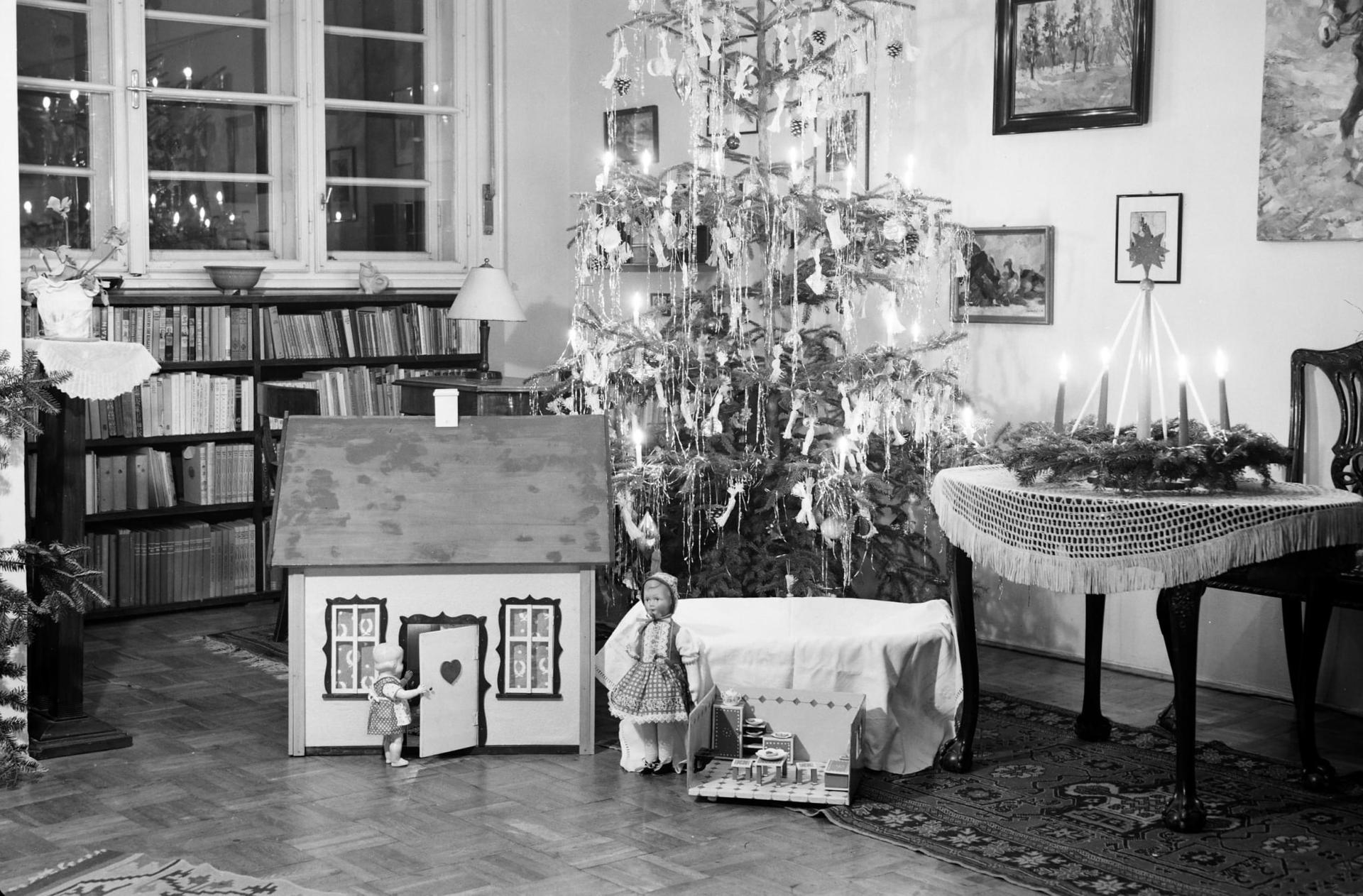
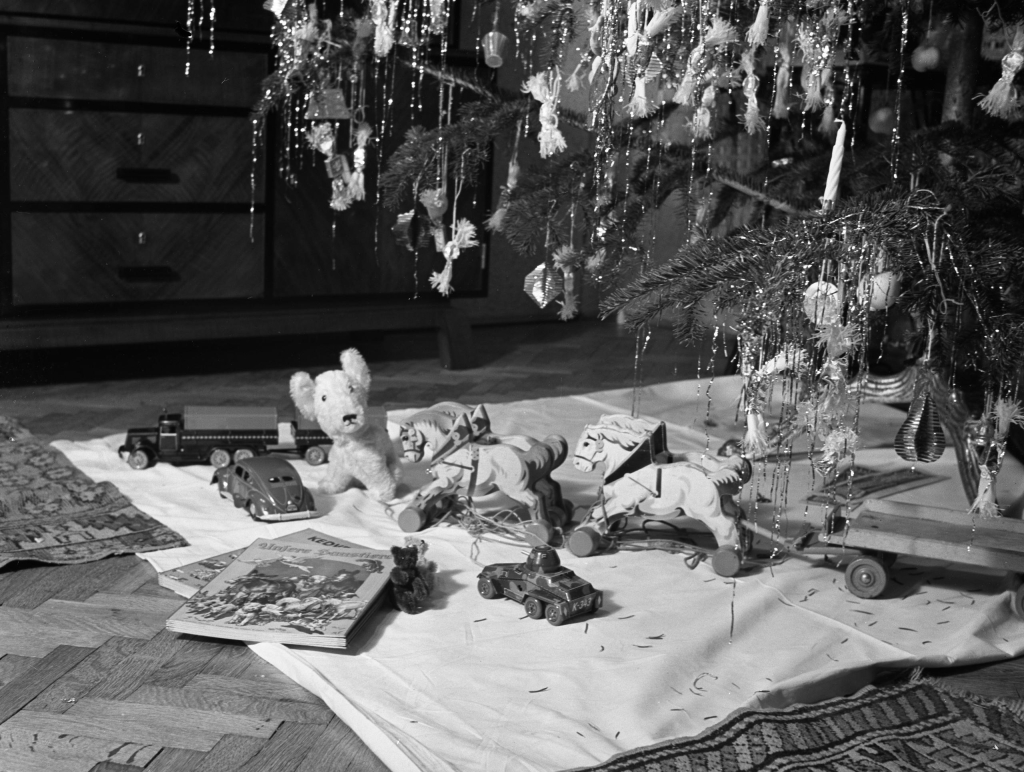
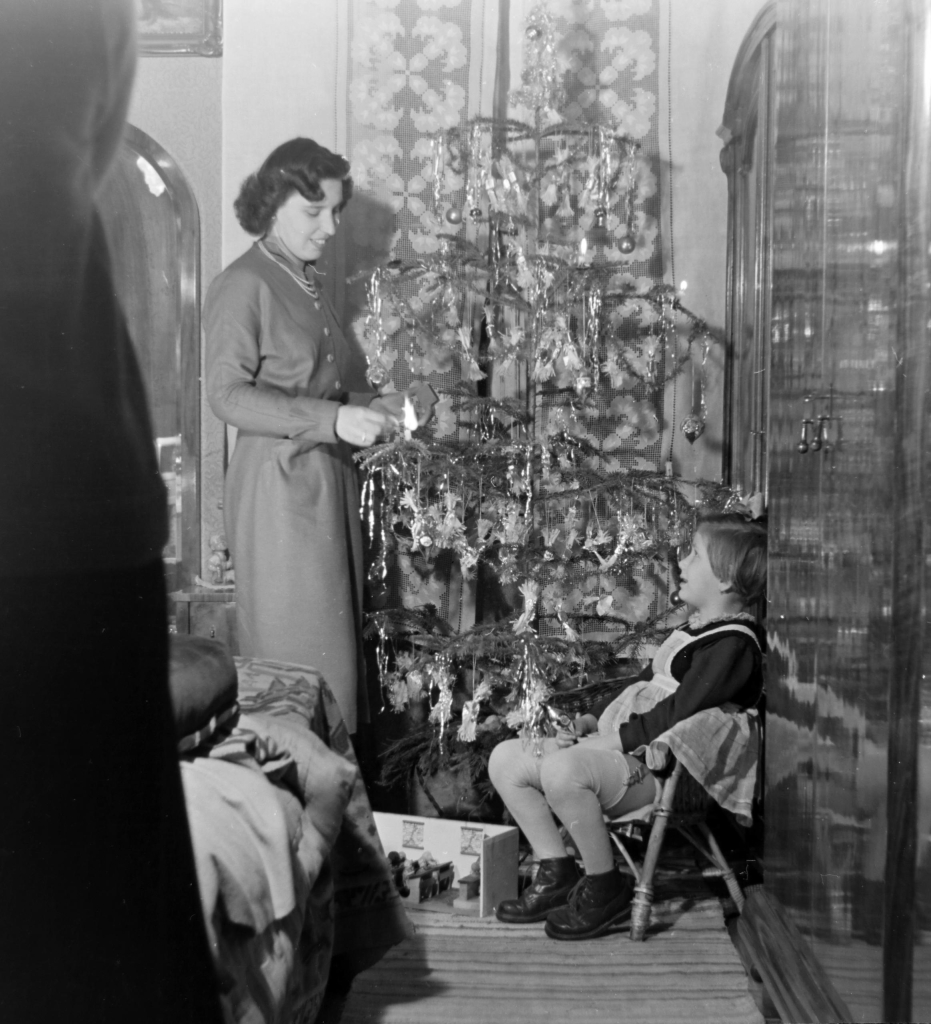
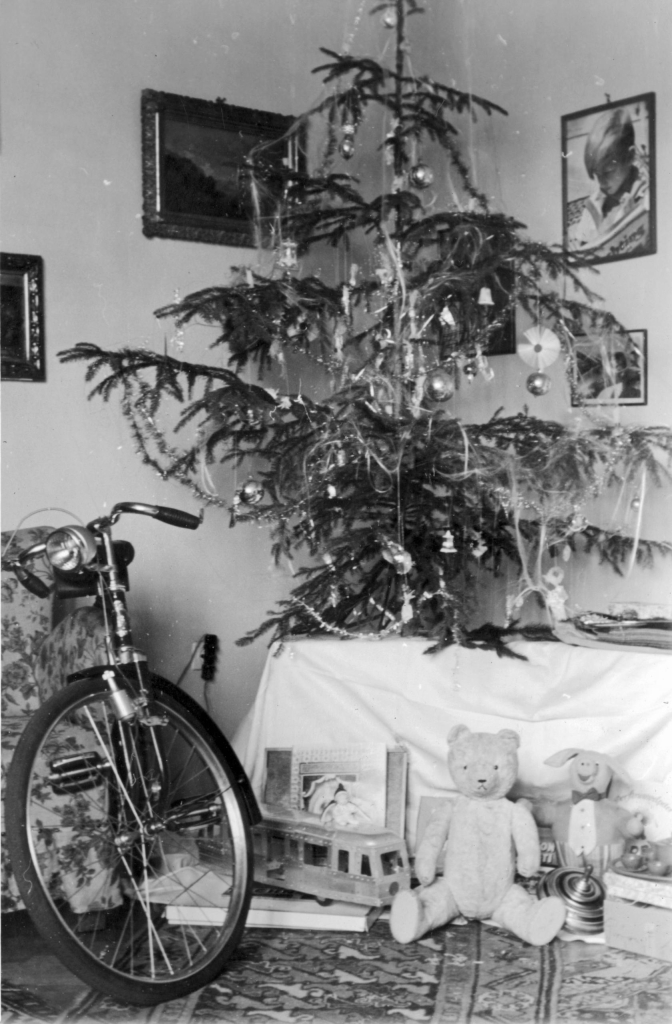
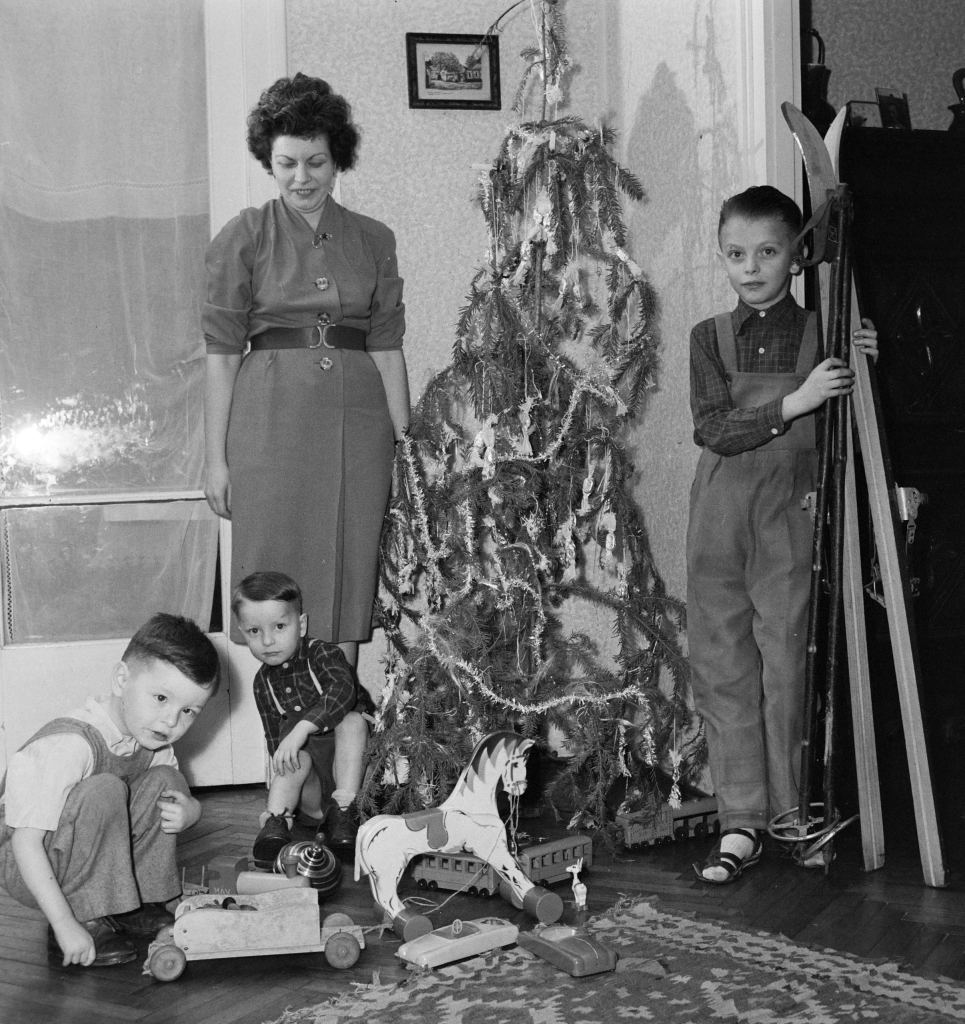
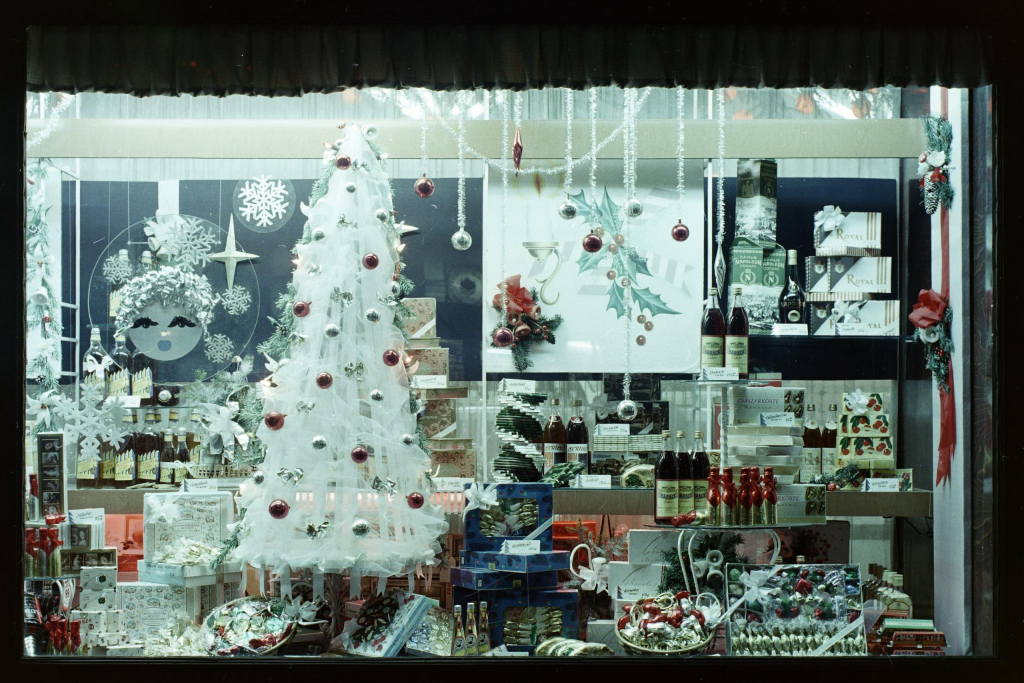
In the 1950s, light-up trains made holiday trees exciting, and this decade introduced electric string lights, safer and more practical than candles. Decorations became more colorful, and the first mass-produced glass baubles appeared, making this new style accessible to everyone.
The 1960s saw this style spread widely, with decorations made not only from glass but also plastic. The shiny tinsel ribbon made its global debut, arranged to create a cascading waterfall effect on trees during this era.
The Second Half of the Century
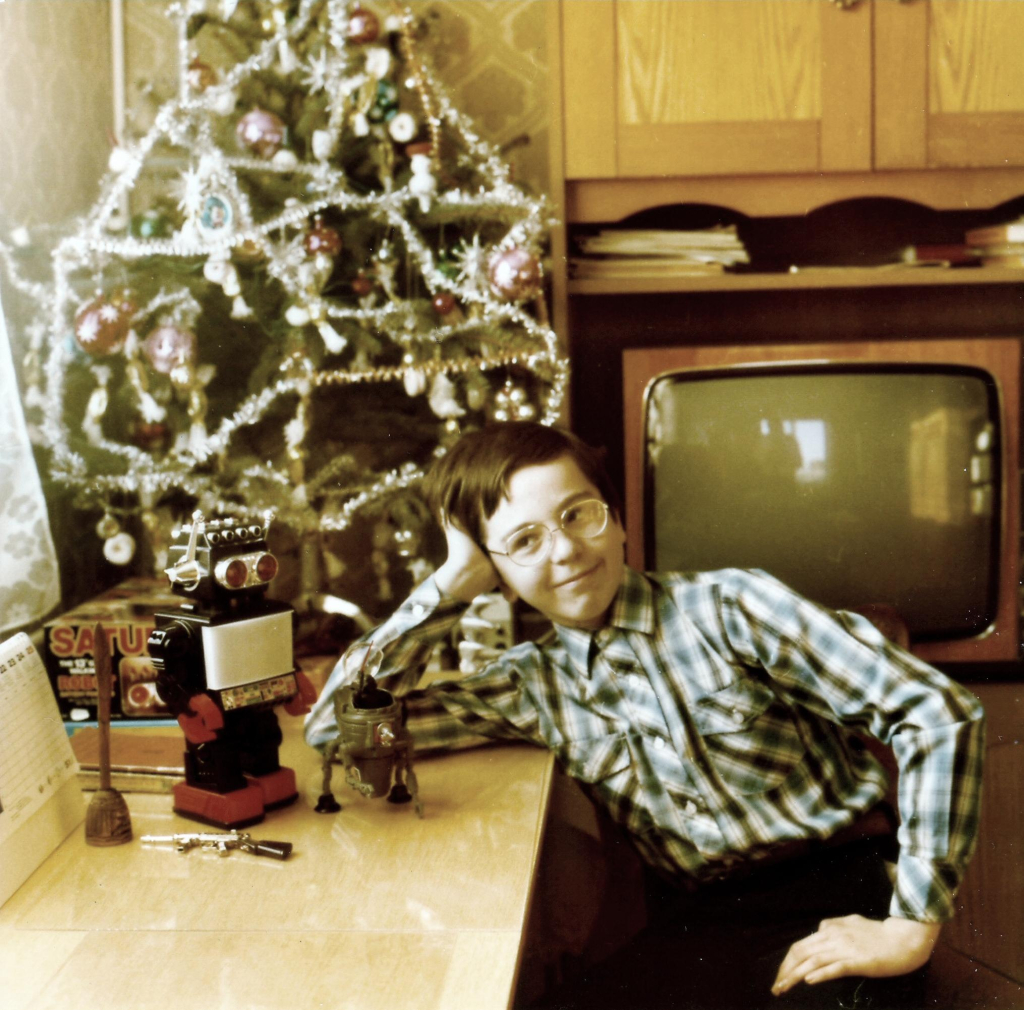
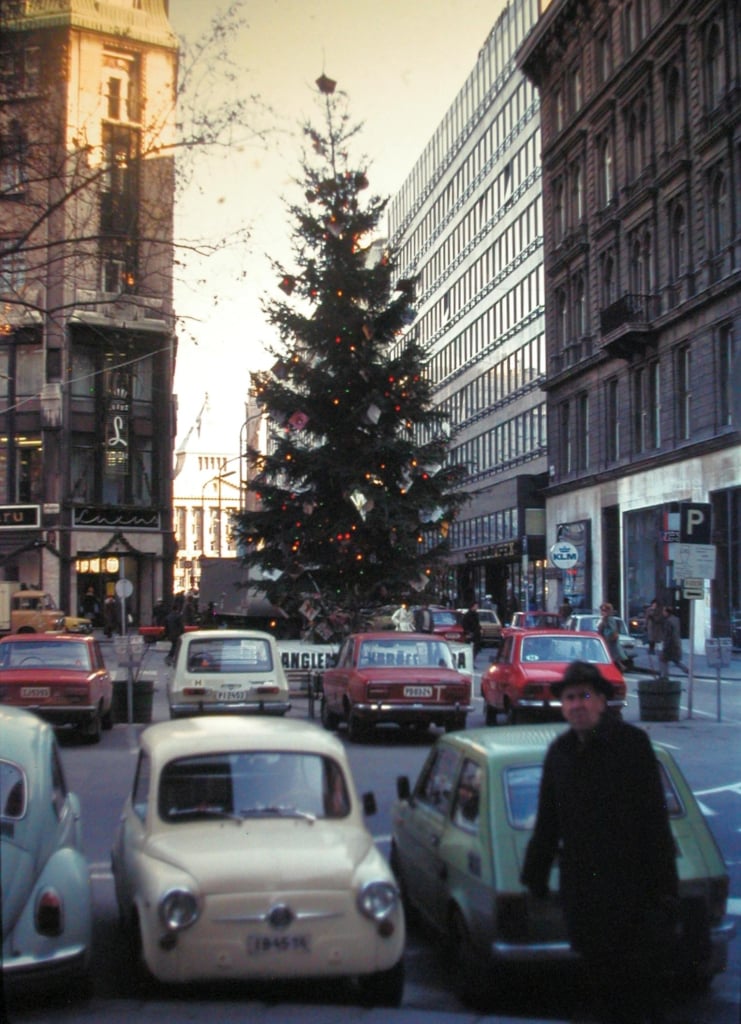
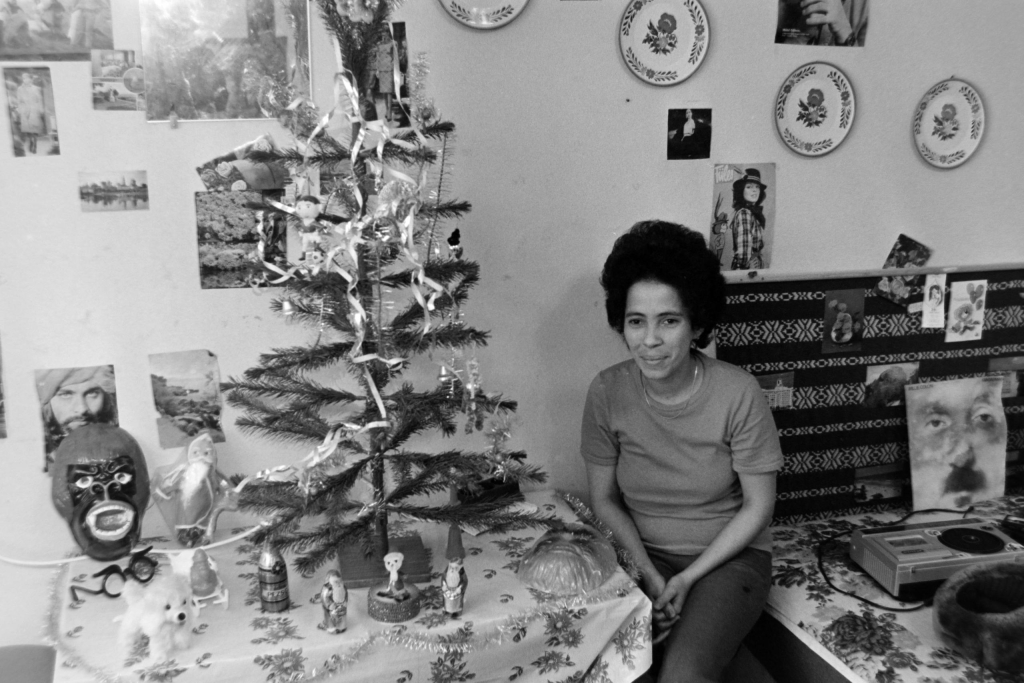
The 1970s brought colorful and artificial trees in the wildest shades. The 1980s embraced neon lights and bold decorations, and this trend naturally spilled into the Christmas season.
The 1980s were all about eclectic style: anything fashionable, even if mismatched, with a flair for the dramatic. This decade welcomed mixing old, early-century, or inherited ornaments with the newest handcrafted glass baubles.
In the 1990s, nostalgia returned, and people began to appreciate natural materials and handmade decorations again. Potted Christmas trees gained popularity, along with traditional ornaments like straw figures and the classic red-and-gold color combo making a comeback.
In the 2000s, unique, themed trees took center stage, reflecting families’ personalities and stories. While families once used similar decorations, today creativity runs free: themed decor, special colors, LED lights, and smartphone-controlled ornaments make trees truly modern and personalized.
Why Have Christmas Trees Changed?
The answer is simple: Christmas trees have always reflected the style and values of their time. In the past, family traditions and simplicity ruled; today, personalization and technology play a big role.
Gone are the old candles, replaced by safe LED lights. More homes now feature themed decorations that harmonize the whole room with the tree. The Christmas tree is no longer just decor but a form of self-expression. Whether classic or modern, one thing’s for sure: behind every decoration lies the spirit of the season – and that’s something that never changes.