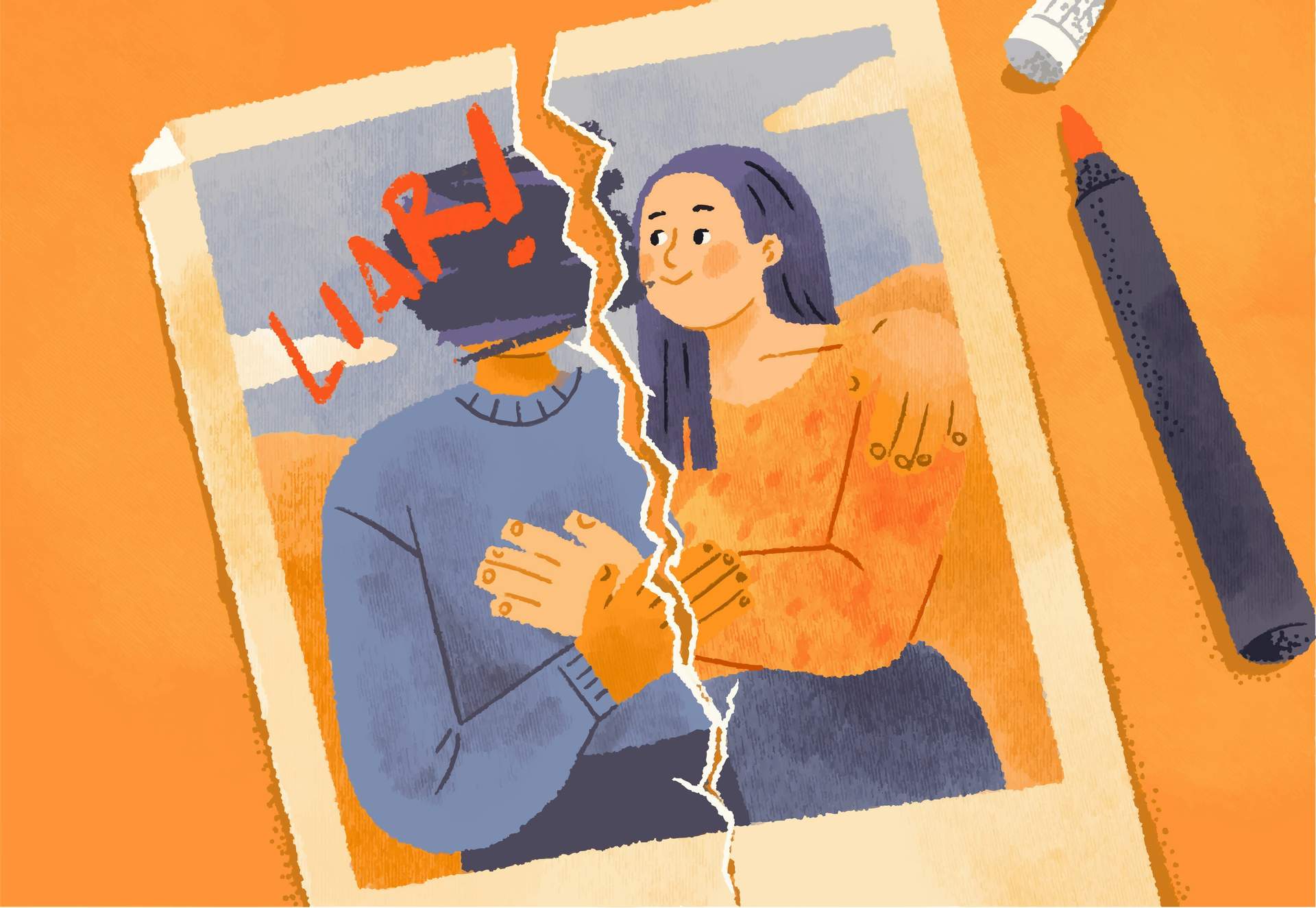
That’s definitely great news, because our mental health is just as important as our physical well-being. And let’s be honest, today’s Hungarian society could really use a little mental uplift.
It’s inspiring to see so many people digging into the roots of their conflicts and trying to understand their own behavior – building healthier relationships along the way.
But like any knowledge, psychology is a form of power that comes with responsibility. Trouble starts when this knowledge – or rather half-knowledge – is used not for self-awareness, but to control or manipulate others.
I wonder if there are any conversations these days where someone doesn’t complain about being “gaslighted,” called “narcissistic,” or accused of “projecting their own trauma.” I’m not saying these words are never justified, but it feels like we’ve started tossing around these heavy psychological terms a bit too casually in everyday talks.
So casually, in fact, that I have to ask myself: do we really understand others’ states so well, or have we just started using therapy terms to prove our point while dodging responsibility?

My Story with Psychological Manipulation
I’ve experienced firsthand how misleading this can be. At a previous job, I got into a conflict with a colleague who seemed very knowledgeable about psychology.
In our talks, they often used technical terms diagnostically about me. Sometimes they said I was using defense mechanisms, other times that I had avoidant attachment, which supposedly made healthy cooperation impossible.
At first, I was even grateful, feeling they were helping me see my flaws. I admired how calm and constructive they stayed in conflicts. But later, I started to suspect these “observations” weren’t objective facts but tools to unsettle me and assert their will.
The biggest risk here is that psychological language carries authority. When someone confidently uses these terms, it’s easy to believe they really know their stuff – even if they’ve only read a few books or watched some videos.
In emotionally charged moments – like a workplace dispute or relationship challenge – it’s even harder to see clearly, especially if you’re feeling vulnerable or uncertain. And these are exactly the moments when boundaries, which psychology says are key to our well-being, can get blurred.
It’s crucial to remember that psychology’s main goal is self-awareness, not diagnosing others. Therapeutic tools and concepts work safely only in expert hands – as non-experts, it’s easy to misuse them, even unintentionally. Plus, if we’re involved in a conflict, it’s tough to objectively see the other person’s behavior. That’s when seeking help from an independent professional – like a mediator or therapist – is way more effective.
And maybe most importantly: when we want to be understood or understand someone else, let’s try to communicate simply and humanly. Instead of trendy psychological terms, share what you feel, what you need, or what hurt you. Real connection comes from honest words, not jargon.