Can Drinking More Fluids Help Us Live Longer?
A study published in the National Institutes of Health eBioMedicine journal found that well-hydrated adults tend to be healthier. They experience fewer chronic illnesses, heart and lung conditions, and live longer than those who don’t drink enough fluids. This 30-year study analyzed the health markers of 11,255 adults, including what happens when sodium levels rise due to low fluid intake.
Results showed that adults with sodium levels at the high end of the normal range were more likely to develop chronic diseases. They also showed more signs of advanced biological aging compared to those with moderate sodium levels. Plus, higher sodium levels increased the risk of earlier death.
Why Hydration Is Key to Healthy Aging
Dietitian Christina Manian explains that water is one of the most vital components of the human body. “Hydration is incredibly important for many reasons, especially since our bodies are about 45-75% water,” Manian says. Simply put, the amount of water we drink throughout the day helps regulate nearly every key bodily function. So, drinking enough water is something we can’t stress enough.
Manian also points out that water is essential for optimal digestion, delivering nutrients to cells, regulating body temperature, and keeping our joints healthy.
What’s more, proper hydration supports the healthy function of all our organs, with a special role in the heart, kidneys, and brain. And if that’s not enough, staying hydrated helps our bodies naturally detoxify.
Another dietitian, Lauren Manaker, emphasizes that while hydration is a crucial part of nutrition, many people struggle with it.
Unfortunately, many of us are chronically dehydrated, Manaker says.
This becomes even more common and risky as we age, especially for adults over 60. Our bodies retain less water, and our sense of thirst decreases as we get older.

What Should You Do?
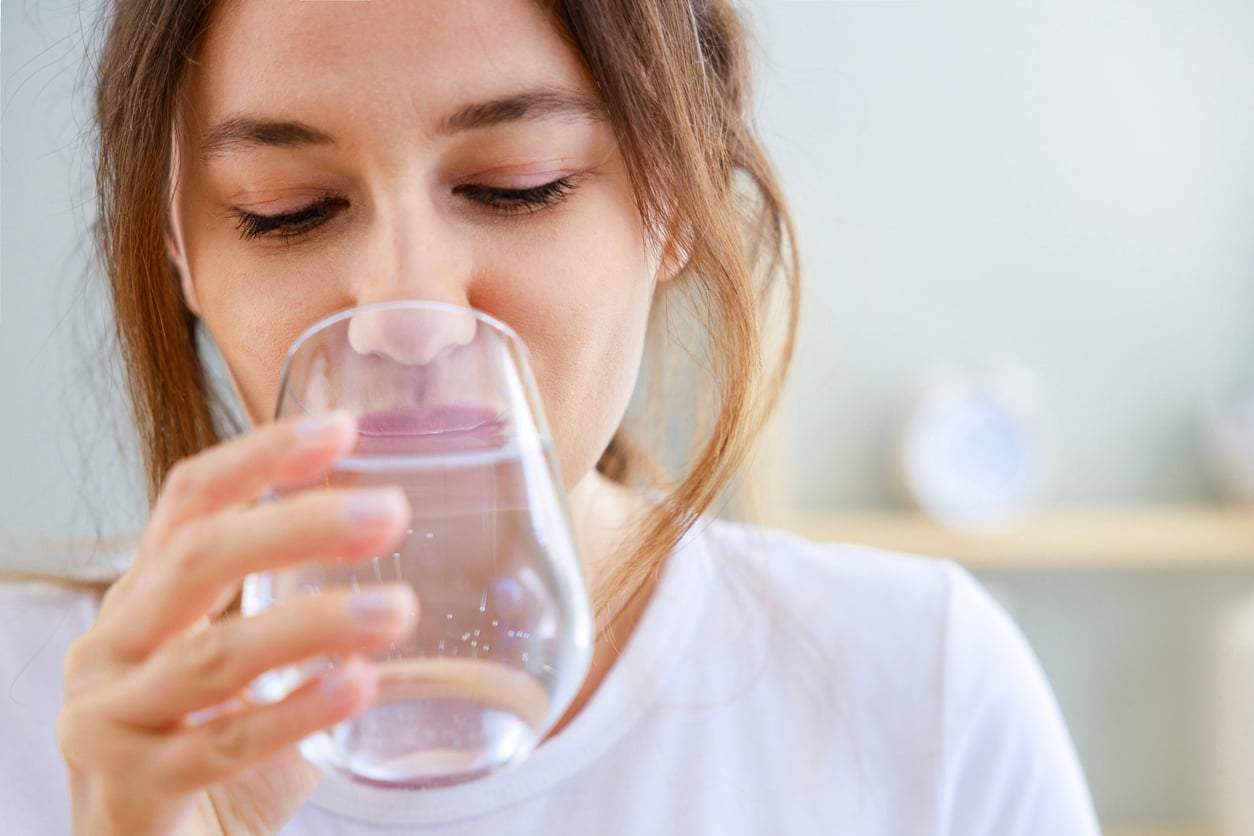
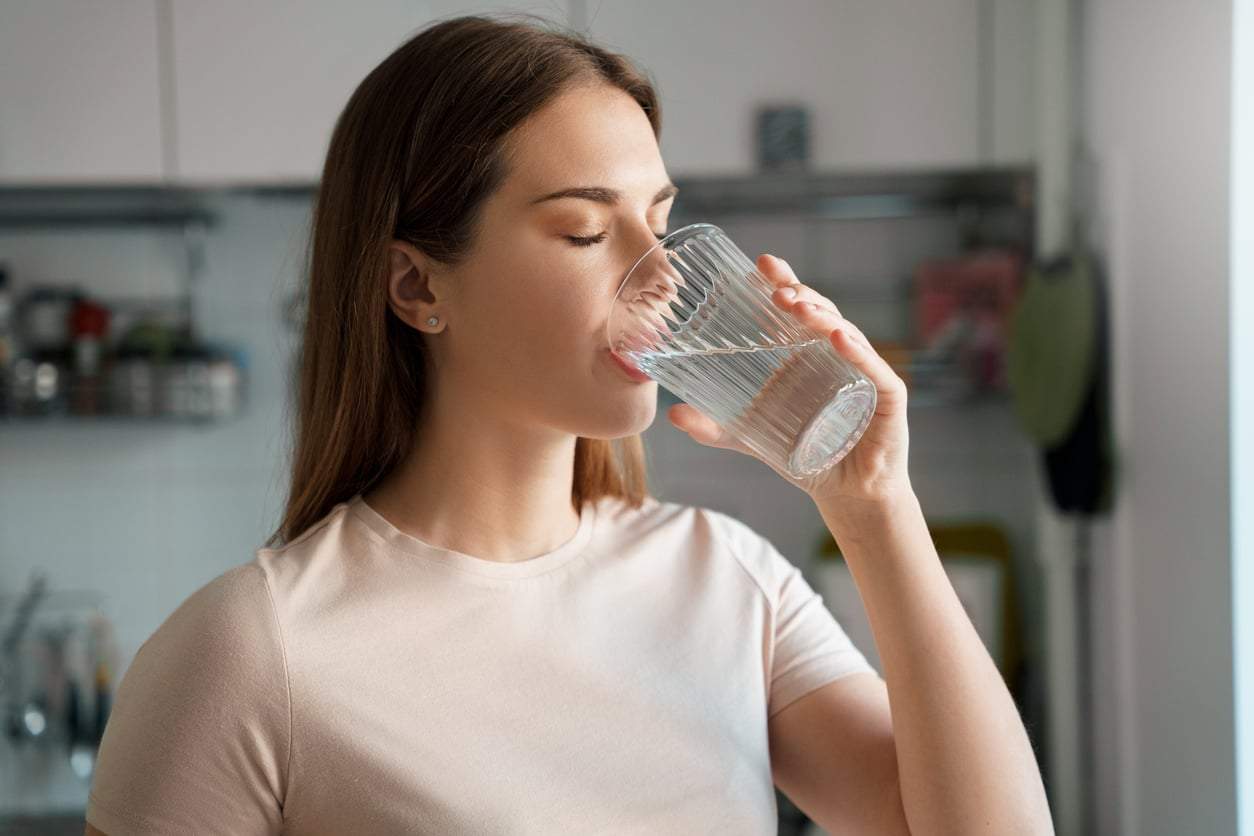
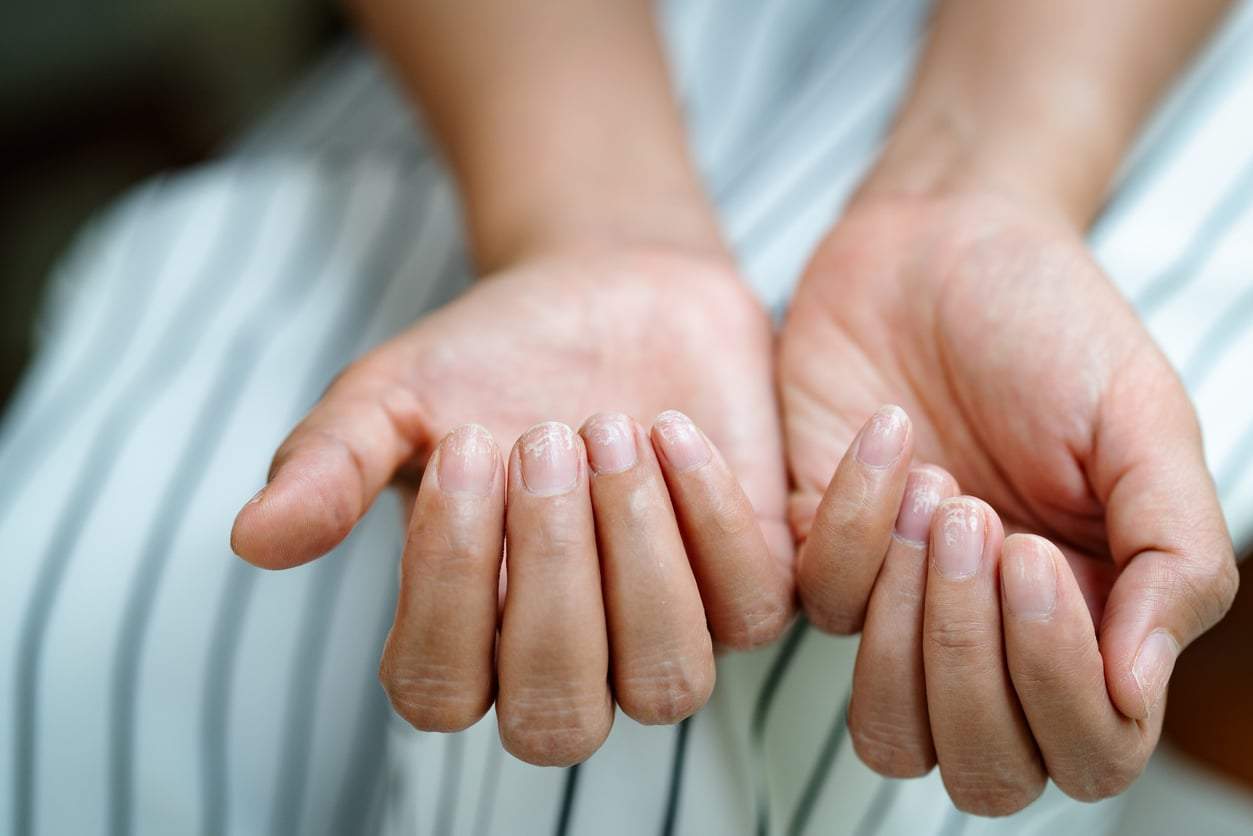
First, if you’re unsure whether you’re dehydrated, very thirsty, or both, watch for signs. Fluid deficiency can show up as joint pain, stiff or cramped muscles and ligaments, dry mouth and skin, or darker, concentrated urine. If you notice any of these or just feel like you’re not drinking enough, aim for the general advice of about 8 glasses of water a day.
If plain water isn’t appealing, you can replace some of it with other options like unsweetened fruit juices, soups, or high-water-content fruits and vegetables. Of course, if you have specific health issues, check with your doctor about the ideal daily fluid intake for you. Also, be careful not to drink too much, as that can also challenge your body.
Source: wellandgood.com