For a long time, I believed that affordable vacations were a matter of luck—or something that only exists in stories. Then I experienced firsthand that “vacationing for half the price” isn’t a trick, but a series of intentional decisions.
Most of these decisions happen well before you even leave. One of my biggest realizations was that it’s not the trip itself that’s expensive, but the timing. During peak season, everything gets pricier at once: accommodations, flights, and often even entrance fees. Plus, if you want to skip long lines at attractions, you have to book everything in advance (often for specific time slots). Even then, there’s waiting and adjusting, and that precious time you traveled for just slips away.
Since I consciously avoid peak season, our vacations have become not only way more affordable but also much more enjoyable. There’s less crowding, less rushing, and I don’t feel like I have to "fight" for every moment with others.
Flight tickets aren’t cheapest when you’re just browsing
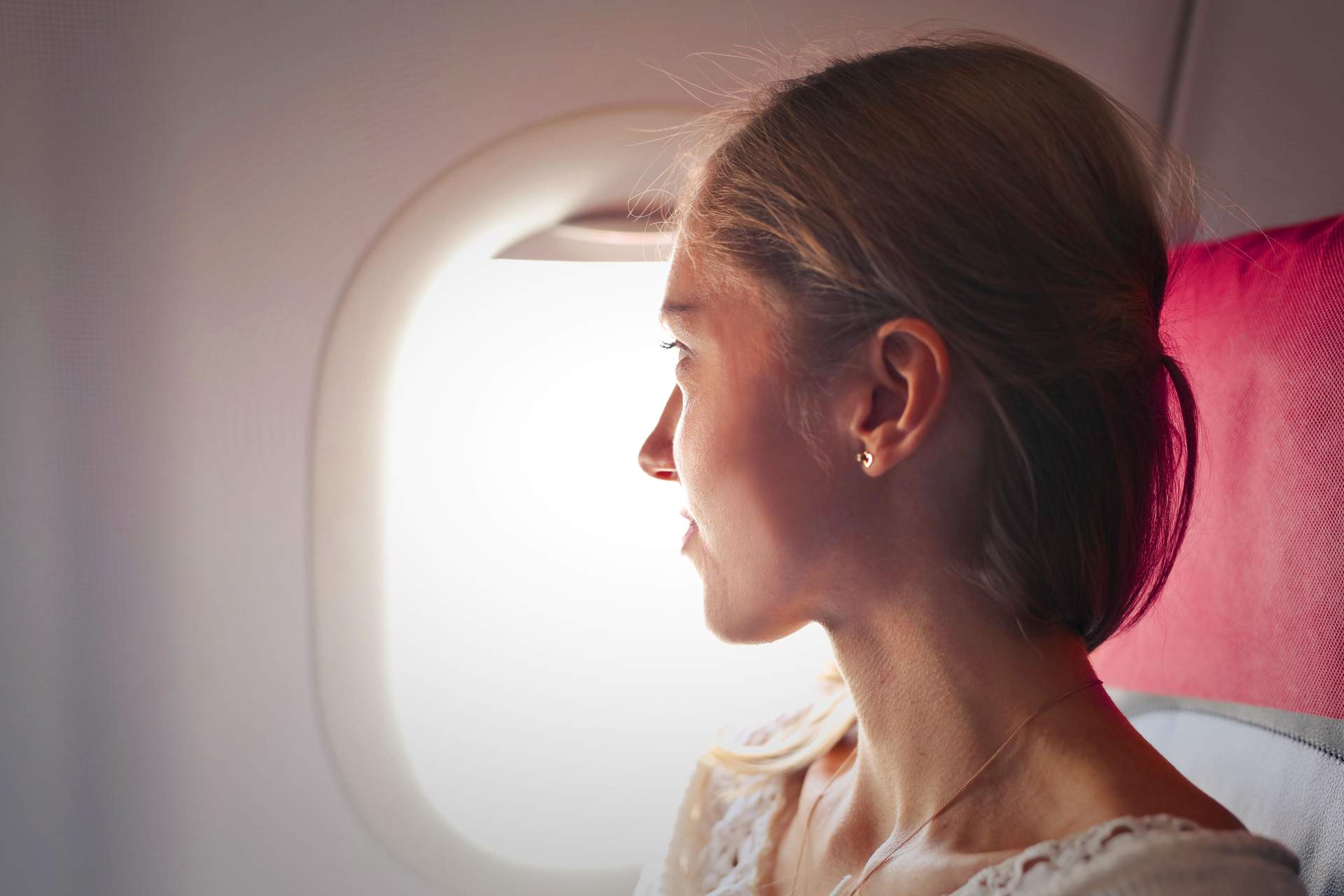
My second big lesson is that you shouldn’t buy flights on a whim, but plan ahead and stay flexible. Holiday periods and weekends are always more expensive, so I avoid those. Whenever possible, we book departures and arrivals on weekdays—usually months in advance.
When I’m just browsing options, I use price comparison sites (like Skyscanner), but I always buy tickets directly from the airline’s website. If I see a good deal, I usually grab it right away instead of waiting days, because tickets rarely get cheaper (and if they do, it’s barely noticeable), but prices can rise quickly. I also always use private browsing because I’ve noticed prices creep up when returning to the same route. It might not happen every time, but better safe than sorry.

Accommodation isn’t a status symbol
We never stay in expensive hotels in faraway countries. Not because we don’t appreciate comfort, but because it just doesn’t make sense. Usually, we’re only at the accommodation early in the morning and late at night—basically just to sleep and shower.
So I don’t expect more than cleanliness, quiet, and a comfy bed—if anything, this really helps save hundreds.
I usually book an apartment or, if it’s just the two of us, a hostel with a shared kitchen. These options are unbeatable in price and give much more freedom. You can do laundry and cook, so you don’t have to start every day at an open breakfast spot. When browsing, I always filter for the best-rated and cheapest options. Once I find a place I like, I search separately because surprisingly often, booking directly gets me a better deal.
Here’s another tip if you want to save big on lodging: I always look a bit away from the tourist center, but make sure public transport is good and the airport remains easily accessible. Since we don’t rent cars in cities with good public transit, it’s important not to have to walk for hours to the nearest bus or train station.
A card that covers half your vacation costs
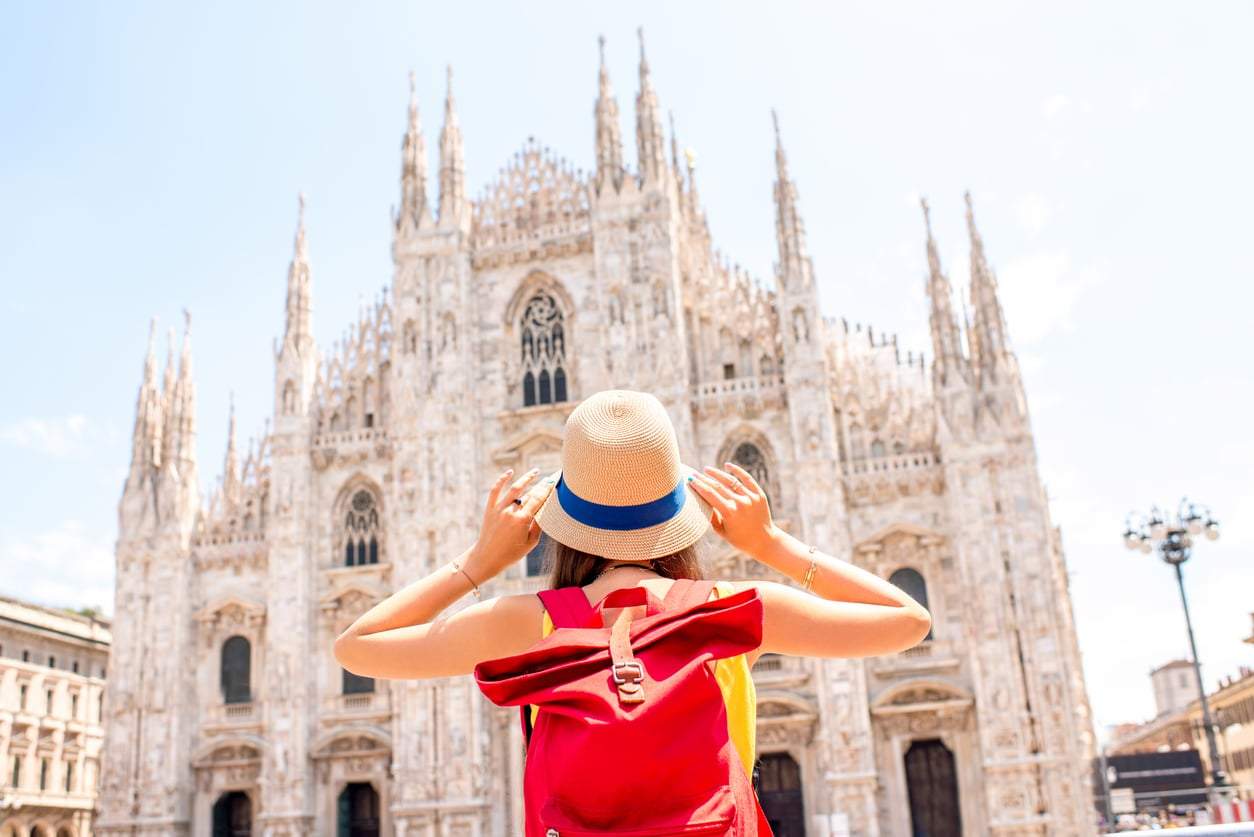
Whenever possible, I buy the city or country’s “travel card”. These usually offer unlimited public transport for a set time (like Malta’s Tallinja card) and/or entrance to top attractions. They might seem pricey at first, but once you have your itinerary, you can easily see if they save you money. For example, the Jordan Pass includes your visa and entry to over 40 sites. These cards take the stress out of constant calculations and ticket buying, offering not just financial but mental relief—which is pure gold on vacation.
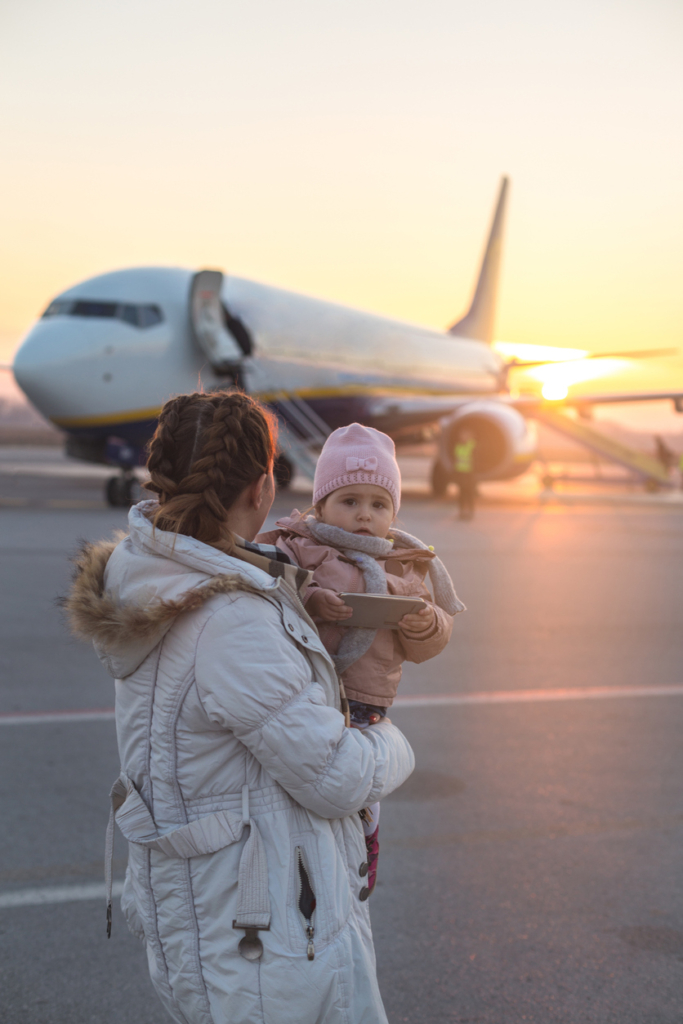
For shorter trips, we always travel with just a backpack
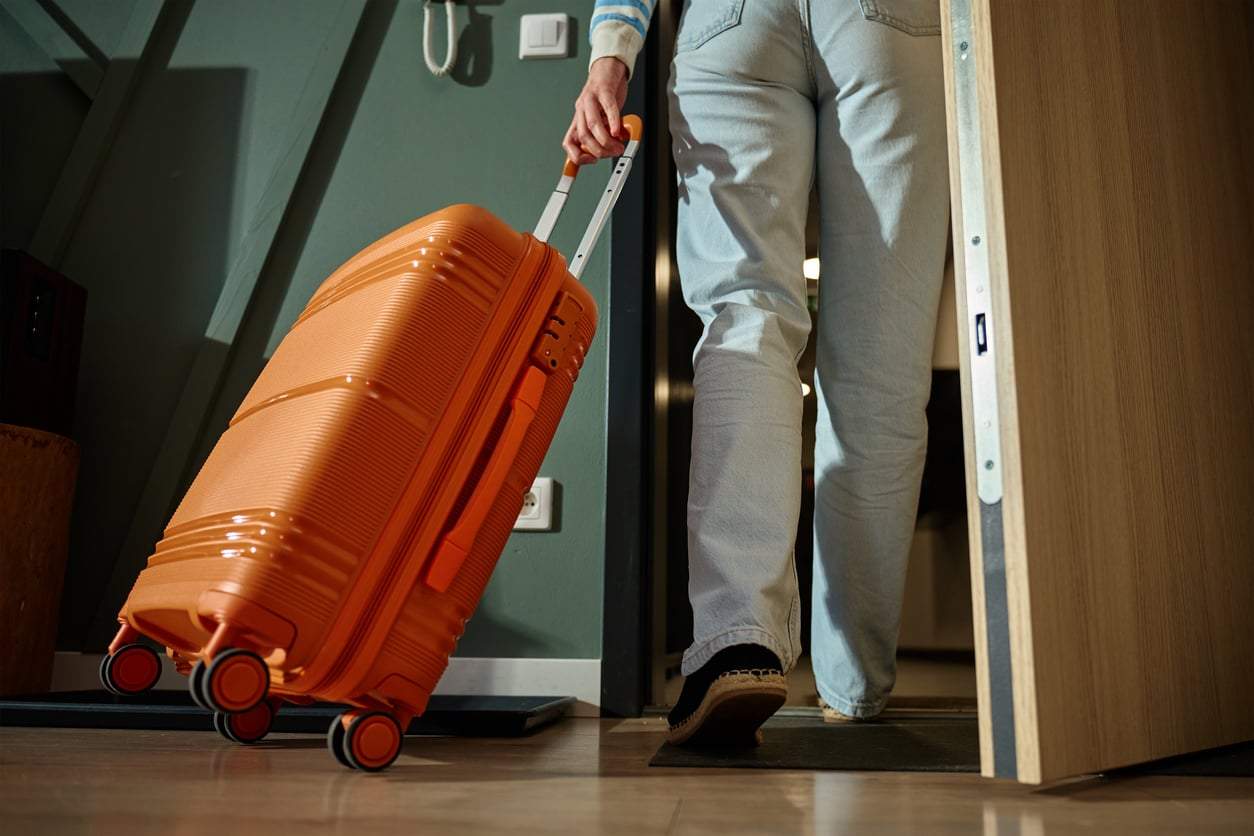
A backpack is included in the flight ticket price, so no extra fees. From my experience, it’s perfect for long weekends or even three to four days to pack light. For longer or colder trips, we take a carry-on (saving us at least two lines), but we’ve never run out of clothes. Bonus: many apartments have washing machines, another reason to pack less. We also never reserve seats: the system automatically seats kids next to parents, and 2–3 hours alone with a book or movie is totally manageable. The money saved goes to better experiences later.
Meals can be where you lose—or save—the most
Food is always one of the biggest expenses. Overhyped, touristy spots popular on social media usually aren’t authentic and come with a hefty price tag. We eat where locals line up and the menu is small—this never fails.
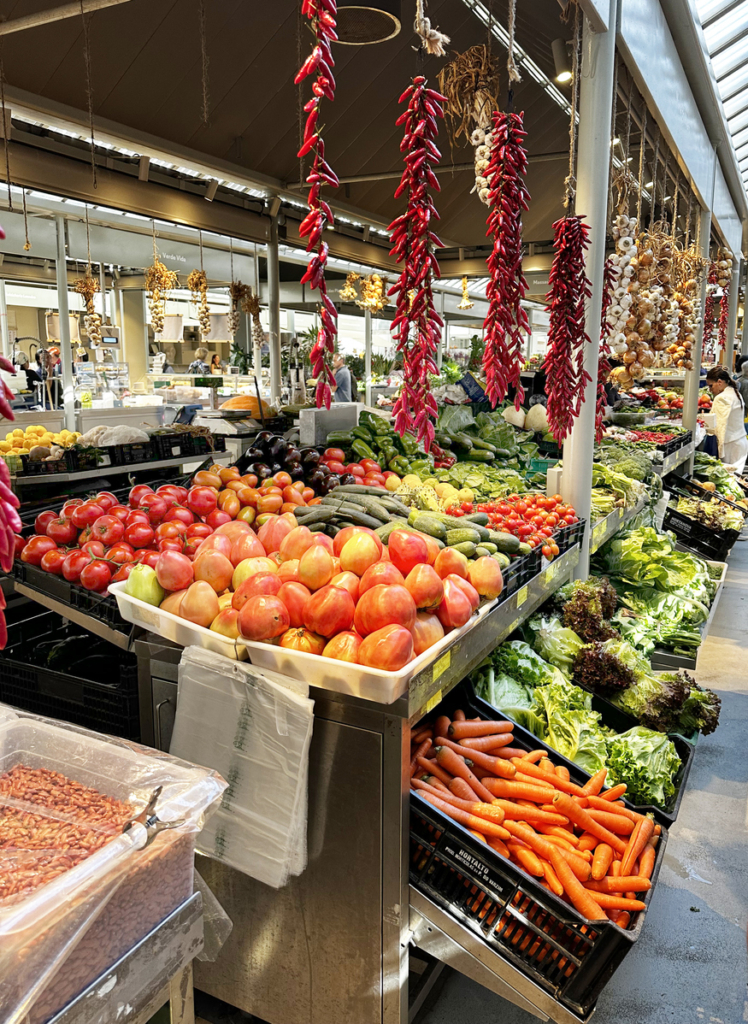
If saving money matters, it helps a lot not to eat every meal at a restaurant. A breakfast at the accommodation, some market shopping, a bakery stop, a sandwich by the beach watching the sunset… These options are not only cheaper, but they also capture the local vibe better and make your vacation more flexible. Plus, you save time waiting for dinner at busy places.
Planning gives you freedom
The more you handle yourself, the less you pay—and this applies to almost every trip. Many organized tours are overpriced and often lack real value. Guides sometimes rely more on your lack of local knowledge or language skills than on genuine added value (especially where bargaining is expected). Of course, there are exceptions and places where a guide is essential. In those cases, I always research thoroughly, get multiple quotes, and never skip reading reviews—on trusted platforms like GetYourGuide.
If you’re used to all-inclusive vacations or agency-organized trips, this approach might feel very different, and that’s totally okay if it’s not your style. But if you want to travel cheaper, visit more places, and truly explore the city or region you’re in, this mindset is worth trying.
For me, vacationing for half the price never means giving things up. It means focusing (and spending) on what truly adds value. Maybe that’s why, even months in advance, it feels great to look at our calendar—knowing unforgettable trips are ahead!