Luxury hotels, fancy restaurants, every moment perfectly curated. Social media would have you believe that a great vacation requires serious money. But seasoned travelers know the truth: the most unforgettable moments almost never come from the priciest days. They come from the tiny, unplanned restaurant you picked because it looked cheap. The sunrise you didn't plan to wake up for but somehow did. Here's how to travel well — without crying when you check your bank account on the way home.
Travel off-season
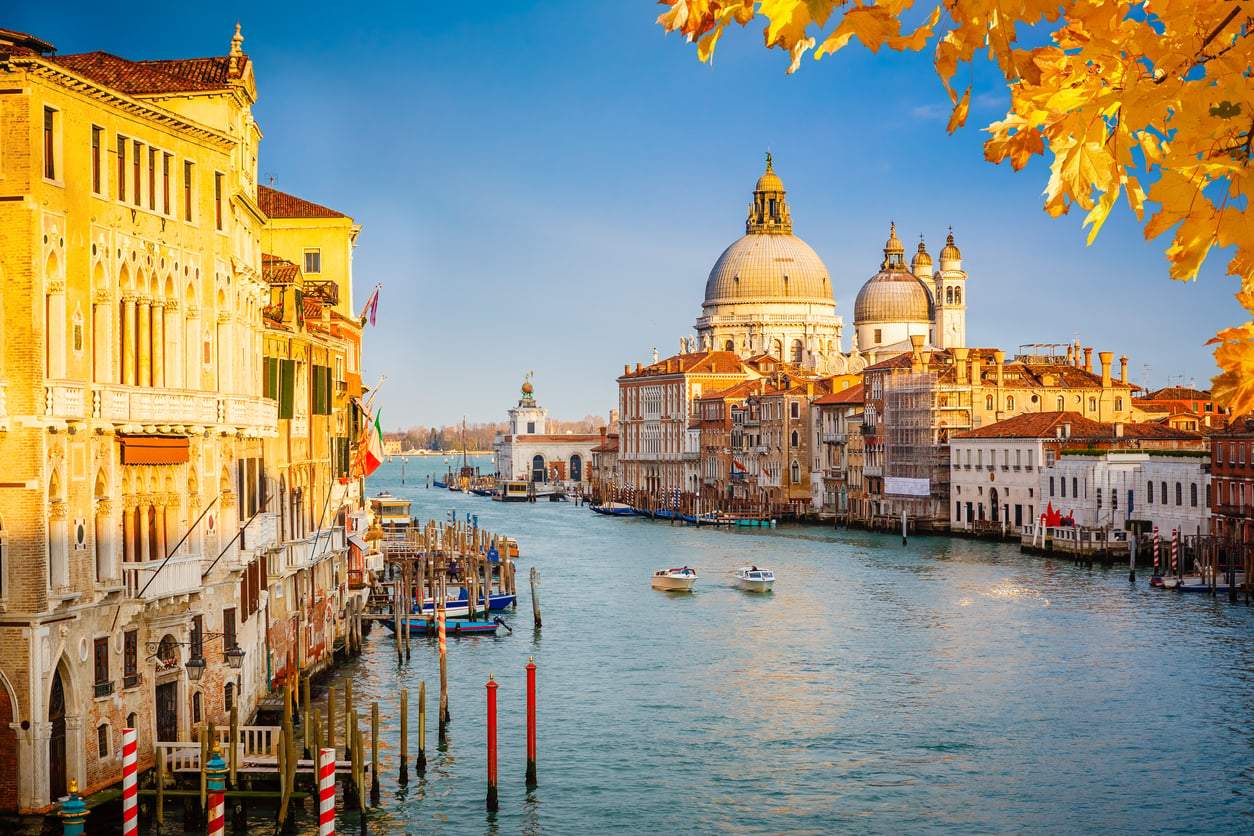
If there's one single tip that can completely change how you travel, this is it. The same Croatian coastline, the same Greek island, the same charming Italian town — visited in June or September instead of August — is a completely different experience. And not just because of the price.
Fewer crowds, easier accommodation, no waiting at restaurants, and locals who actually have time to talk to you. Meanwhile, prices can be a fraction of what they are at peak season. If your schedule allows any flexibility at all, choosing off-season travel is the single decision that saves you the most — in money and in stress.
Flight prices are not fixed
A lot of people treat the price of a flight like it's set in stone. It isn't. The same route can cost three different prices depending on when you look. Fares fluctuate constantly, and there's an optimal booking window — typically six to eight weeks before departure, though it varies by route.
Turn on price alerts and pounce when the fare drops. Early morning and late-night flights are consistently cheaper. And if you can shift your travel dates by even a day or two, that flexibility alone can make a significant difference. Last-minute deals can also work in your favor if you're spontaneous enough to use them.
Think apartment, not hotel room
Traveling with a partner or a group? Renting an entire apartment is often cheaper than booking the same number of hotel rooms — and it comes with one game-changing advantage: a kitchen.
Being able to handle breakfast and lunch at home means you only need to pay for dinner out. Over the course of a week, that difference adds up to a significant amount of money. And beyond the savings, staying in an apartment puts you right inside the rhythm of local life in a way a hotel room simply can't.
Food is where the real savings hide
Eating out for every meal is where most vacation budgets quietly collapse. But you don't have to sacrifice anything to spend less on food — you just have to eat smarter. Local markets and supermarkets offer breakfast and lunch ingredients at a fraction of restaurant prices, and honestly, the experience is often better than a tourist-trap café.
The simplest rule? Watch where the locals eat, and go there. No laminated menu with photos means you're probably in the right place.
The best experiences are free
The moments you'll talk about for years rarely cost a thing. A sunrise from a hilltop viewpoint. Getting lost in a side street and stumbling onto something unexpected. The atmosphere of a neighborhood market on a Saturday morning.
Most cities offer free museum days, open-air festivals, public parks, and beaches that rival any paid attraction. A little research before you go can fill your itinerary with genuinely memorable experiences — often the kind that make for better stories than the famous, ticketed landmarks. Letting go of the "perfect vacation" checklist is often what makes a trip truly great.
Get around like a local
Taxis and tourist buses are among the biggest money drains of any trip. Local public transport gets you to the same places at a fraction of the cost — and along the way, you'll see a side of the city most tourists never do.
If the city is the right size, renting a bike is one of the best decisions you can make: it's cheap, flexible, and gives you a completely different perspective. Many cities also offer tourist passes or city cards that bundle unlimited public transport with discounted entry to attractions. If you're planning a packed itinerary, it's worth doing the math to see if one pays off.
A great vacation isn't about how much you spend — it's about how present you are. A budget forces creativity, and creativity is what makes the best memories. Ten years from now, you won't be telling people what the hotel cost. You'll be telling them what happened there.