Most people don't overspend on vacation because travel is inherently expensive. They overspend because they never quite know where the money goes. It slips away quietly — on an overpriced airport sandwich, a hotel in the wrong neighborhood, a tourist-trap restaurant with a laminated menu and mediocre pasta.
The good news? A few well-placed decisions can make a real difference — and you won't feel like you gave anything up. Here's how to do it.
Flight tickets: you're probably searching wrong
Flights are often the biggest single expense of any trip — and also the one where prices vary the most wildly. Two people on the same plane can easily have paid double what the other did, simply based on when and how they searched.
Tuesdays and Wednesday mornings tend to offer the lowest fares. Searching on Fridays or Sundays? You're likely paying a premium.
Booking six to eight weeks before departure is typically the sweet spot for the best prices. And one more thing: use your browser's incognito mode when searching. Airline and booking sites track your visits, and repeated searches for the same route can trigger price increases. Don't let the algorithm work against you.
Accommodation: cheaper doesn't have to mean worse
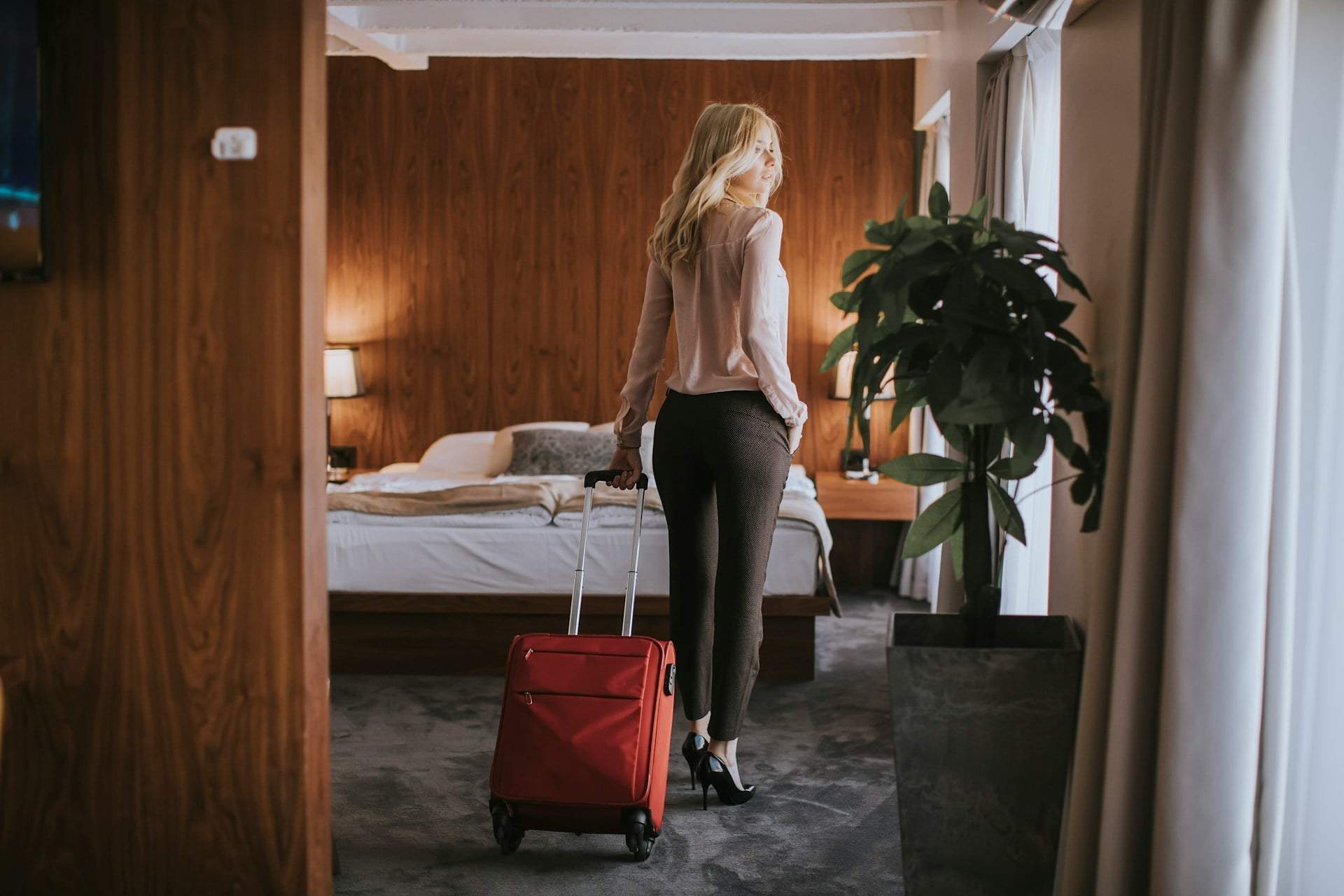
Spending less on your room doesn't mean sleeping somewhere you'd rather not be. Often, the only real difference between an expensive hotel and a great-value one is location — and not in the way you'd think.
A place ten minutes' walk from the tourist center, tucked into a quieter street, can cost half the price. That morning stroll to the main square? It's actually a pleasure, not an inconvenience. Apartments are almost always cheaper than hotels, and they come with a bonus: you can make your own breakfast, prep a quick lunch, and on a longer trip, that alone can add up to serious savings.
Eating well without paying tourist prices
Everyone knows this tip. Almost nobody follows it consistently. The restaurant on the main tourist drag is always more expensive, rarely authentic, and often not even that good. Walk one street over and you'll find the place where locals actually eat — handwritten menu on a chalkboard, generous portions, honest prices.
Morning markets are worth their weight in gold. Fresh fruit, local cheeses, warm bread straight from the oven — at a fraction of what you'd pay elsewhere. And there's a bonus that money can't buy: you actually feel like you're getting to know the place, not just passing through it.
Free experiences that you'll remember longer than the paid ones
Every city has a list of things that cost nothing and stay with you forever. A wander through the old quarter. A sunset at the water's edge. A park where locals bring their kids on Sunday afternoons. A neighborhood market that has nothing to do with tourism.
These aren't budget alternatives. These are the experiences that make you want to go back.
That doesn't mean skipping the paid attractions entirely. It means being selective. Pay for what's truly unique — the thing you genuinely can't experience anywhere else. Skip the generic sightseeing that every city seems to offer in some form.
The real secret: decide what matters to you
Saving money on vacation isn't about enjoying less. It's about consciously choosing where your money goes. If food is your priority, spend freely on it. If accommodation isn't, that's where you pull back. If there's one special excursion you've been dreaming about, do it — and balance it out somewhere else.
The worst travel decisions usually don't come from splurging on one thing. They come from spending a little on everything, enjoying none of it deeply, and arriving home unable to explain where it all went.
The difference between those two trips is simple: one leaves you feeling like you spent your money, and the other leaves you feeling like every penny was worth it.